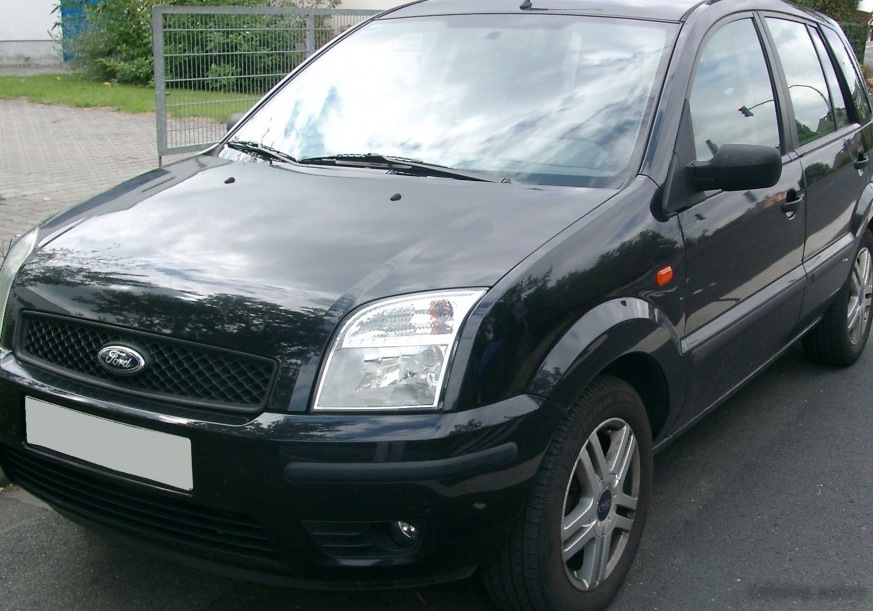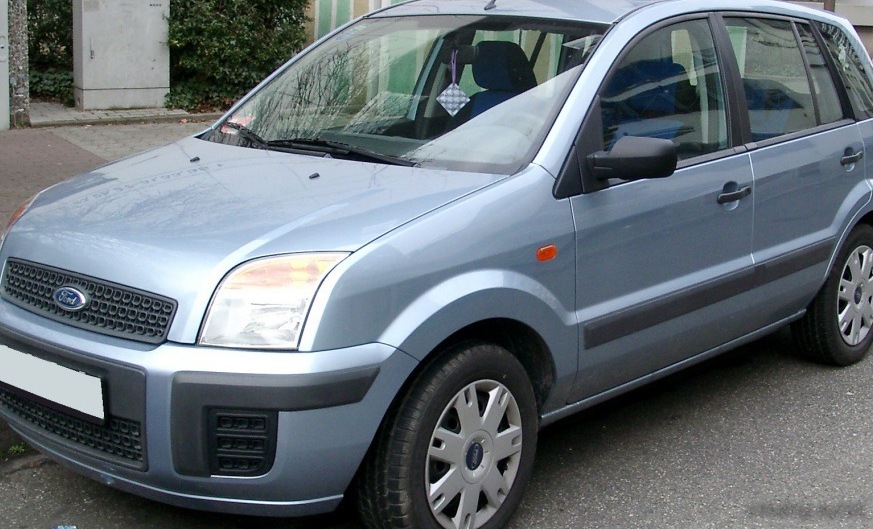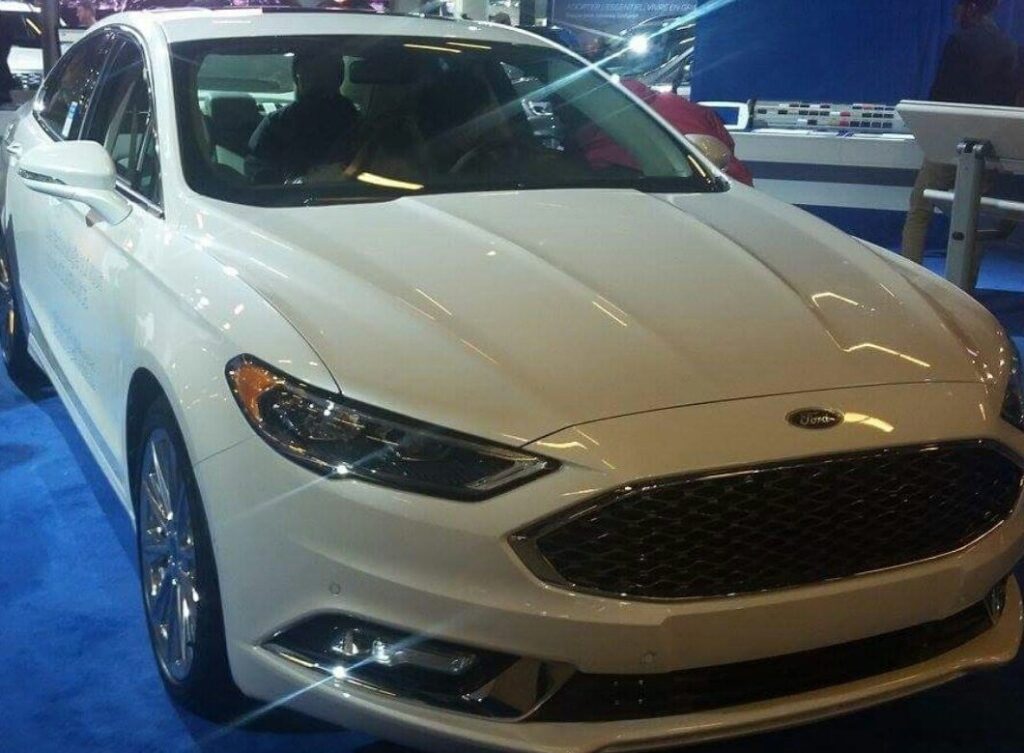
The Ford Fusion II, specifically the 2.7 EcoBoost V6 AWD Automatic variant produced from 2016 to 2018, represented the performance pinnacle of the second-generation Fusion lineup in North America. Positioned as the premium trim, it offered a significant step up in power and all-weather capability compared to the base 2.5L four-cylinder and the 1.5L EcoBoost models. This variant was a direct response to consumer demand for a more engaging driving experience in the mid-size sedan segment, competing with offerings from brands like Honda, Toyota, and Mazda. The 2016 facelift brought updated styling and further refinement to the Fusion, solidifying its position as a strong contender in the American family sedan market.
Technical Specifications
| Brand | Ford |
| Model | Fusion |
| Generation | Fusion II (facelift 2016) |
| Type (Engine) | 2.7 EcoBoost V6 (325 Hp) AWD Automatic |
| Start of production | 2016 |
| End of production | 2018 |
| Powertrain Architecture | Internal Combustion engine |
| Body type | Sedan |
| Seats | 5 |
| Doors | 4 |
| Fuel consumption (economy) – urban | 13.8 l/100 km (17 US mpg, 20.5 UK mpg, 7.2 km/l) |
| Fuel consumption (economy) – extra urban | 9 l/100 km (26.1 US mpg, 31.4 UK mpg, 11.1 km/l) |
| Fuel consumption (economy) – combined | 11.7 l/100 km (20.1 US mpg, 24.1 UK mpg, 8.5 km/l) |
| Fuel Type | Petrol (Gasoline) |
| Acceleration 0 – 100 km/h | 5.6 sec |
| Acceleration 0 – 62 mph | 5.6 sec |
| Acceleration 0 – 60 mph | 5.3 sec |
| Maximum speed | 266 km/h (165.28 mph) |
| Weight-to-power ratio | 5.5 kg/Hp, 180.6 Hp/tonne |
| Weight-to-torque ratio | 3.5 kg/Nm, 286.1 Nm/tonne |
| Power | 325 Hp @ 5500 rpm |
| Power per litre | 120.9 Hp/l |
| Torque | 515 Nm @ 3000 rpm (379.84 lb.-ft. @ 3000 rpm) |
| Engine layout | Front, Transverse |
| Engine displacement | 2688 cm3 (164.03 cu. in.) |
| Number of cylinders | 6 |
| Engine configuration | V-engine |
| Cylinder Bore | 83 mm (3.27 in.) |
| Piston Stroke | 83 mm (3.27 in.) |
| Compression ratio | 10:1 |
| Number of valves per cylinder | 4 |
| Fuel injection system | Direct injection |
| Engine aspiration | Twin-Turbo, Intercooler |
| Valvetrain | DOHC, Ti-VCT |
| Engine oil capacity | 5.7 l (6.02 US qt | 5.02 UK qt) |
| Coolant | 11.2 l (11.83 US qt | 9.85 UK qt) |
| Kerb Weight | 1800 kg (3968.32 lbs.) |
| Trunk (boot) space – minimum | 453 l (16 cu. ft.) |
| Fuel tank capacity | 68 l (17.96 US gal | 14.96 UK gal) |
| Length | 4872 mm (191.81 in.) |
| Width | 1852 mm (72.91 in.) |
| Width including mirrors | 2121 mm (83.5 in.) |
| Height | 1478 mm (58.19 in.) |
| Wheelbase | 2850 mm (112.2 in.) |
| Front track | 1593 mm (62.72 in.) |
| Rear (Back) track | 1585 mm (62.4 in.) |
| Drag coefficient (Cd) | 0.30 |
| Minimum turning circle (turning diameter) | 11.5 m (37.73 ft.) |
| Drive wheel | All wheel drive (4×4) |
| Number of gears and type of gearbox | 6 gears, automatic transmission |
| Front suspension | Independent, type McPherson with coil spring and anti-roll bar |
| Rear suspension | Independent multi-link suspension |
| Front brakes | Ventilated discs |
| Rear brakes | Disc |
| Assisting systems | ABS (Anti-lock braking system) |
| Steering type | Steering rack and pinion |
| Tires size | 235/40 R19 |
| Wheel rims size | 19 |
Powertrain & Engine Architecture
The heart of the 2016-2018 Fusion 2.7 EcoBoost AWD was the 2.7-liter, twin-turbocharged V6 engine, internally designated as the Dragon engine family. This engine represented a significant advancement in Ford’s EcoBoost technology. It featured a compact graphite iron cylinder block, aluminum cylinder heads, and direct fuel injection. The twin-turbocharger setup, utilizing a twin-scroll design, minimized turbo lag and provided a broad, flat torque curve. The engine employed Ford’s Ti-VCT (Twin Independent Variable Camshaft Timing) technology, optimizing valve timing for improved performance and fuel efficiency. The six-speed automatic transmission, specifically tuned for the 2.7L V6, provided smooth and responsive shifts. It was designed to handle the engine’s substantial torque output and contribute to the vehicle’s overall driving dynamics.
Driving Characteristics
The Fusion 2.7 EcoBoost AWD delivered a noticeably more spirited driving experience than its lower-trim counterparts. The 325 horsepower and 380 lb-ft of torque provided brisk acceleration, with 0-60 mph times consistently in the low 5-second range. The all-wheel-drive system enhanced traction, particularly in inclement weather, providing confident handling and stability. The automatic transmission, while generally smooth, wasn’t as engaging as a manual transmission, but its programming prioritized responsiveness and minimized hunting for gears. Compared to the 1.5L EcoBoost, the 2.7L offered a substantial power increase, while the AWD system provided superior grip compared to front-wheel-drive models. The 2.7L was also more refined and quieter than the turbocharged four-cylinder.
Equipment & Trim Levels
The 2.7 EcoBoost AWD trim typically came standard with a generous array of features, including leather upholstery, heated and ventilated front seats, a premium sound system (often Sony branded), a navigation system, and a suite of advanced safety technologies like blind-spot monitoring, lane-keeping assist, and adaptive cruise control. Optional extras included a sunroof, upgraded wheels, and various appearance packages. Interior materials were of high quality, and the dashboard layout was clean and modern. The Fusion’s infotainment system, SYNC 3, offered a user-friendly interface with smartphone integration via Apple CarPlay and Android Auto.
Chassis & Braking
The Fusion 2.7 EcoBoost AWD featured a robust chassis designed to handle the increased power and torque. The suspension consisted of an independent McPherson strut setup at the front and an independent multi-link setup at the rear. Stabilizer bars were fitted to both axles to reduce body roll during cornering. The braking system utilized ventilated discs at all four corners, providing ample stopping power. The all-wheel-drive system employed an automatic torque distribution system, seamlessly shifting power between the front and rear axles as needed to optimize traction.
Market Reception & Comparison
Critics generally praised the Fusion 2.7 EcoBoost AWD for its strong performance, comfortable ride, and well-appointed interior. However, some reviewers noted that its fuel economy, while respectable, wasn’t class-leading. Compared to the 2.5L four-cylinder, the 2.7L offered a significant performance upgrade but at a higher price point and with reduced fuel efficiency. Against competitors like the Honda Accord V6 and Toyota Camry V6, the Fusion 2.7 EcoBoost AWD held its own, offering a compelling combination of power, features, and value.
Legacy
The 2.7 EcoBoost V6 engine proved to be a reliable and durable powertrain when properly maintained. While some early EcoBoost engines experienced issues with timing chain guides, these were largely addressed in later production years. Today, used Fusion 2.7 EcoBoost AWD models represent a good value for buyers seeking a comfortable, well-equipped, and surprisingly quick mid-size sedan. Regular maintenance, including oil changes and timely replacement of wear items, is crucial to ensuring the long-term reliability of this powertrain. The Fusion 2.7 EcoBoost AWD remains a popular choice among enthusiasts who appreciate its blend of performance, practicality, and modern features.