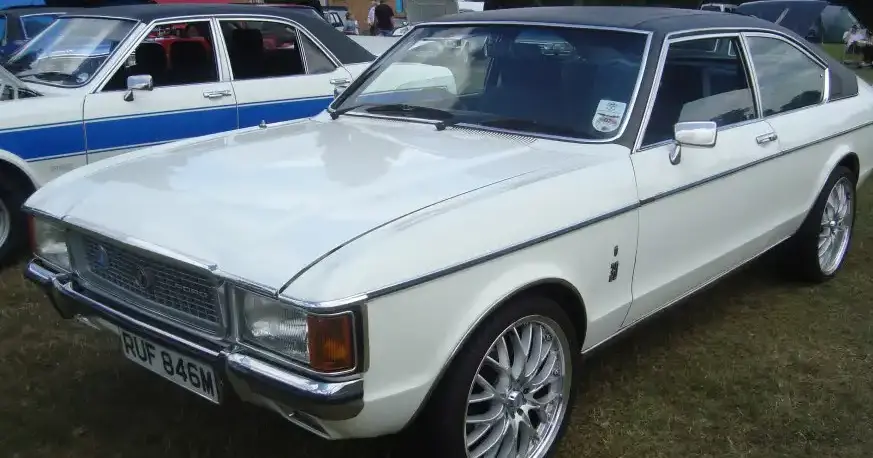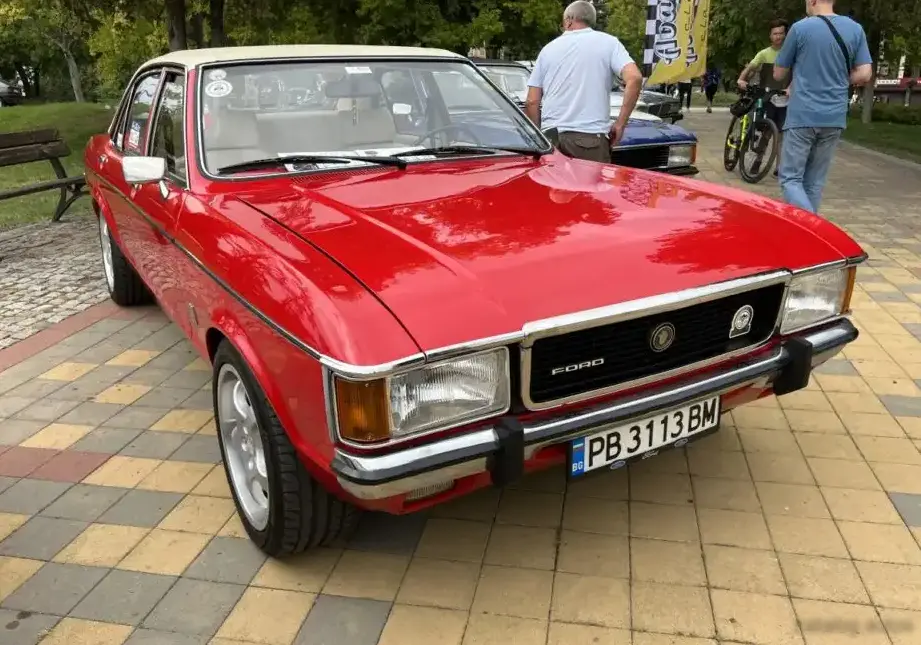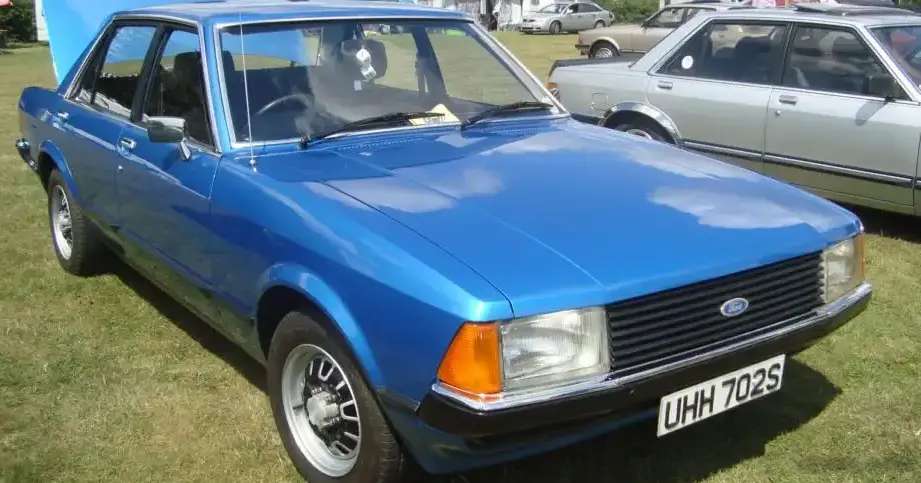
The Ford Granada GU, produced between 1977 and 1982, represented Ford of Britain’s response to the growing demand for a large, comfortable, and relatively affordable family car. Positioned as the entry-level engine option within the GU Granada range, the 1.7-liter variant, producing 73 horsepower, offered a more economical alternative to the larger, more powerful engines available. This model played a significant role in broadening the Granada’s appeal to a wider customer base, particularly those prioritizing fuel efficiency and lower purchase costs. It was a key component of Ford’s strategy to compete with rivals like the Vauxhall Victor and Rover SD1 in the UK and European markets.
Technical Specifications
| Brand | Ford |
| Model | Granada |
| Generation | Granada (GU) |
| Type (Engine) | 1.7 (73 Hp) |
| Start of Production | 1977 |
| End of Production | 1982 |
| Powertrain Architecture | Internal Combustion Engine |
| Body Type | Sedan |
| Fuel Type | Petrol (Gasoline) |
| Power | 73 Hp |
| Engine Aspiration | Naturally Aspirated |
| Length | 4630 mm (182.28 in) |
| Width | 1740 mm (68.5 in) |
| Height | 1380 mm (54.33 in) |
| Wheelbase | 2770 mm (109.06 in) |
Powertrain & Engine Architecture
The 1.7-liter engine, designated as the ‘Taunus’ engine due to its origins in the German-market Ford Taunus, was a four-cylinder, inline configuration. It featured a single overhead camshaft (SOHC) design, operating a two-valve per cylinder setup. Fuel delivery was managed by a Weber 32/36 DGV carburetor, a common choice for Ford during this period. This carburetor, while relatively simple, provided adequate fuel atomization for the engine’s modest power output. The engine block was cast iron, providing durability, while the cylinder head was aluminum, contributing to weight reduction. The compression ratio was typically around 8.8:1. The engine’s relatively low output necessitated a carefully chosen automatic transmission. The Granada 1.7 typically utilized a three-speed automatic transmission, often the Ford C3 automatic. This transmission was known for its smooth operation but wasn’t particularly geared for performance, prioritizing comfort and fuel economy. The transmission’s gear ratios were optimized for relaxed cruising rather than rapid acceleration.
Driving Characteristics
The 1.7-liter Granada Automatic offered a distinctly different driving experience compared to its larger-engined siblings. Acceleration was modest, with a 0-60 mph time estimated around 14-16 seconds. The three-speed automatic transmission, while smooth, contributed to a noticeable lack of urgency. The engine felt strained when pushed hard, particularly when attempting overtaking maneuvers. However, in typical cruising conditions, the 1.7L proved perfectly adequate, offering a comfortable and relaxed ride. The automatic transmission’s shift points were calibrated for fuel efficiency, meaning the engine rarely revved beyond its peak torque range. Compared to the 2.0-liter or 2.8-liter versions, the 1.7 felt significantly less powerful, but it also offered better fuel economy. The manual transmission versions of the 1.7 were noticeably more responsive, allowing drivers to better utilize the available power, but the automatic was favored by those seeking ease of use.
Equipment & Trim Levels
The 1.7-liter Granada typically represented the base trim level. Standard equipment included cloth upholstery, a basic instrument panel, and manual windows. Power steering was often an optional extra, as was a radio. The interior trim was generally functional rather than luxurious, reflecting the car’s position as an entry-level model. Exterior features typically included steel wheels with hubcaps, and relatively simple chrome trim. Optional extras included a vinyl roof, upgraded upholstery, and a more comprehensive instrument cluster. The L trim level, a step up from the base model, often included features like a better radio, upgraded interior trim, and more exterior brightwork. The 1.7L was rarely seen with the full complement of luxury options available on the higher-spec models.
Chassis & Braking
The Granada GU utilized a traditional body-on-frame construction, providing a robust and durable chassis. The front suspension consisted of independent, double wishbones with coil springs and an anti-roll bar. The rear suspension employed a live axle with leaf springs. Braking on the 1.7-liter models typically featured disc brakes on the front wheels and drum brakes on the rear. The braking system was hydraulically operated, with power assistance often included as standard equipment. Steering was traditionally recirculating ball steering, offering a relatively heavy but precise feel. The suspension setup was tuned for comfort, providing a smooth ride over most road surfaces. Stabilizer bar thickness was generally smaller on the 1.7 compared to the higher-powered models, reflecting the lower weight and reduced performance demands.
Market Reception & Comparison
The 1.7-liter Granada Automatic received mixed reviews. Critics generally acknowledged its affordability and fuel efficiency but criticized its lack of performance. It was seen as a sensible choice for those prioritizing practicality over driving excitement. Compared to the 2.0-liter and 2.8-liter models, the 1.7 offered significantly lower running costs but at the expense of performance and refinement. Fuel economy was a key selling point, particularly during the late 1970s and early 1980s when fuel prices were rising. The 1.7L was often compared to the Vauxhall Victor 1.7, which offered similar performance and fuel economy. However, the Granada was generally considered to be better built and more comfortable. Reliability was generally good, although the carburetor required periodic adjustment and maintenance.
Legacy
The 1.7-liter Granada, while not the most sought-after variant, holds a place in automotive history as a practical and affordable family car of its era. The ‘Taunus’ engine proved to be reasonably durable, and many examples are still on the road today, albeit often requiring restoration and maintenance. The automatic transmission, while not particularly advanced, was generally reliable. In the used car market, the 1.7-liter Granada is often valued for its simplicity and affordability. It appeals to enthusiasts seeking a classic car experience without the high costs associated with the more powerful and complex models. Parts availability can be a challenge, but a dedicated network of classic Ford parts suppliers exists to support owners. The 1.7L Granada represents a snapshot of a time when fuel efficiency and affordability were becoming increasingly important considerations for car buyers.