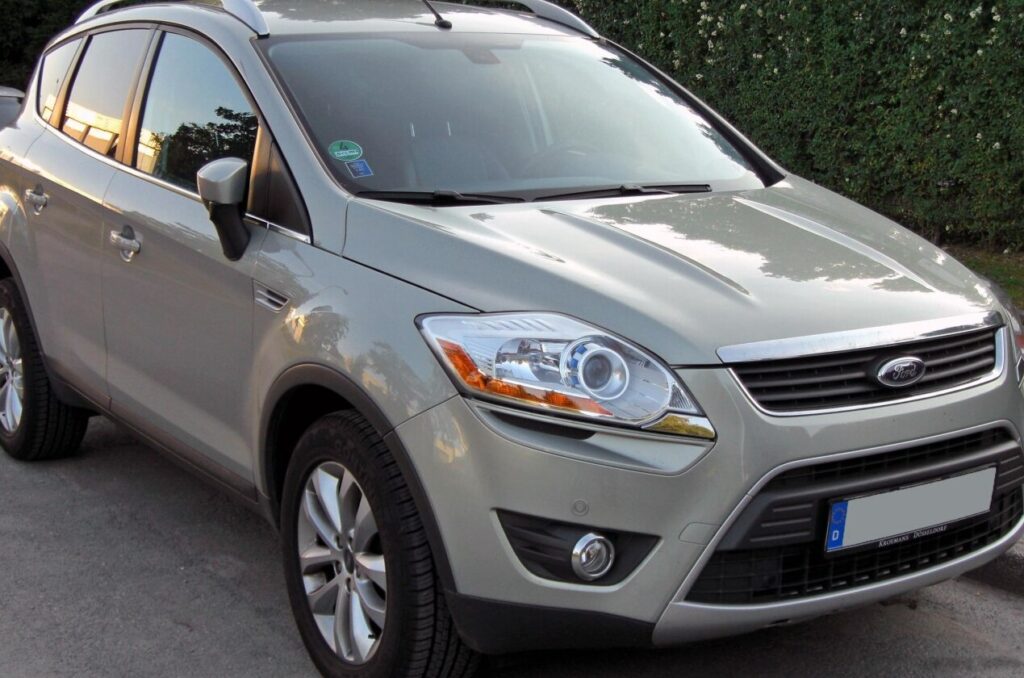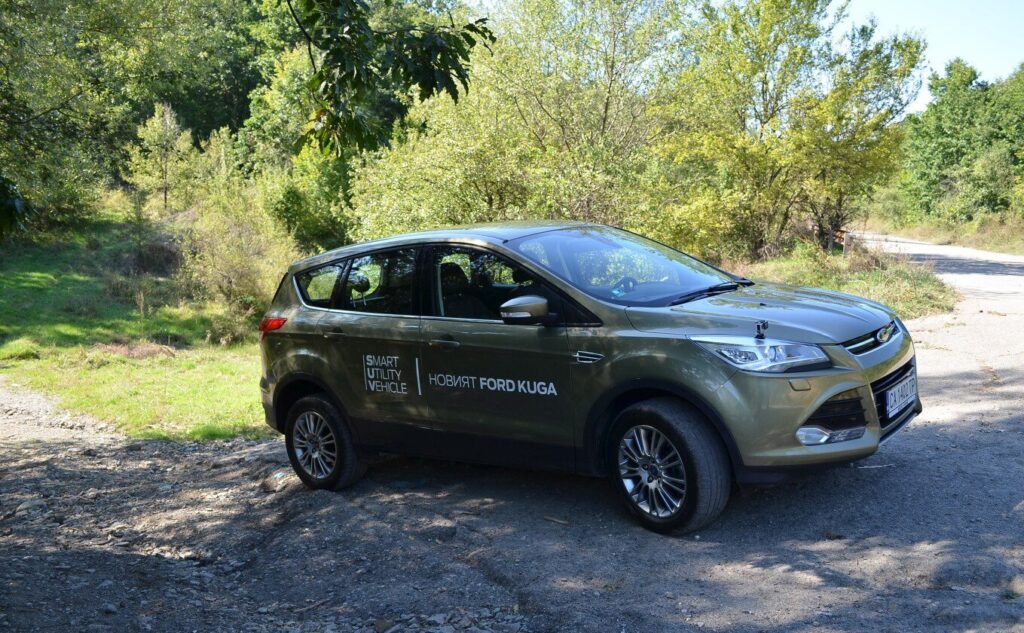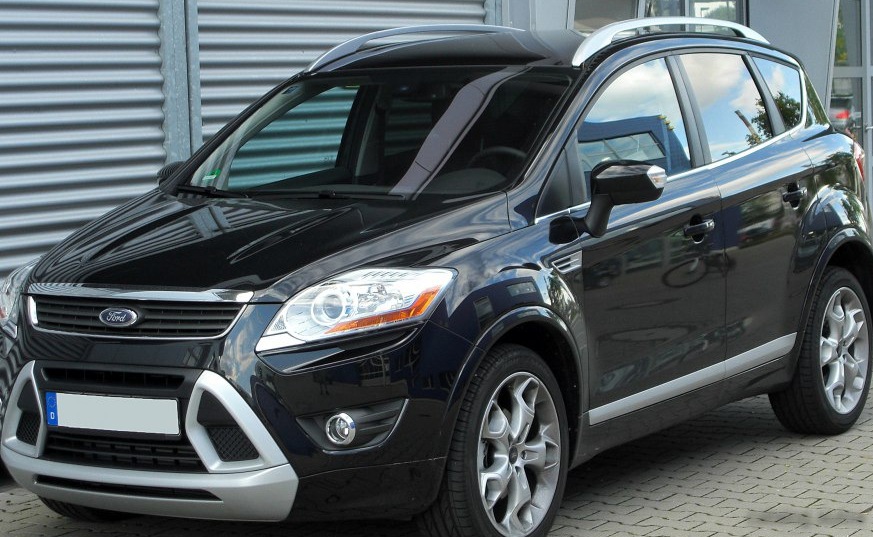
The Ford Kuga I (facelift, produced from 2010 to 2012) 2.0 Duratorq TDCi 140 hp variant represented a significant offering in Ford’s European compact SUV lineup. Positioned as a mid-range option, it aimed to balance fuel efficiency with respectable performance for family buyers. This facelifted version of the original Kuga, which debuted in 2008, brought styling updates and refinements to the already popular model, solidifying its position in a growing segment. The Kuga was Ford’s first foray into the compact crossover SUV market, designed to appeal to customers seeking a more versatile and practical alternative to traditional hatchbacks and sedans.
Technical Specifications
| Brand | Ford |
| Model | Kuga |
| Generation | Kuga I (facelift 2010) |
| Type (Engine) | 2.0 Duratorq TDCi (140 Hp) DPF |
| Start of production | 2010 |
| End of production | 2012 |
| Powertrain Architecture | Internal Combustion engine |
| Body type | SUV |
| Seats | 5 |
| Doors | 5 |
| Fuel consumption (urban) | 6.3 l/100 km (37.3 US mpg, 44.8 UK mpg, 15.9 km/l) |
| Fuel consumption (extra urban) | 4.7 l/100 km (50 US mpg, 60.1 UK mpg, 21.3 km/l) |
| Fuel consumption (combined) | 5.3 l/100 km (44.4 US mpg, 53.3 UK mpg, 18.9 km/l) |
| Fuel Type | Diesel |
| Acceleration 0 – 100 km/h | 10.6 sec |
| Acceleration 0 – 62 mph | 10.6 sec |
| Acceleration 0 – 60 mph | 10.1 sec |
| Maximum speed | 190 km/h (118.06 mph) |
| Emission standard | Euro 5 |
| Weight-to-power ratio | 11.5 kg/Hp, 87.2 Hp/tonne |
| Power | 140 Hp |
| Engine layout | Front, Transverse |
| Engine Model/Code | UFDA |
| Engine configuration | Inline |
| Fuel injection system | Diesel Commonrail |
| Engine aspiration | Turbocharger, Intercooler |
| Engine oil capacity | 5.5 l (5.81 US qt, 4.84 UK qt) |
| Coolant capacity | 8.6 l (9.09 US qt, 7.57 UK qt) |
| Kerb Weight | 1605 kg (3538.42 lbs) |
| Max. weight | 2250 kg (4960.4 lbs) |
| Max load | 645 kg (1421.98 lbs) |
| Length | 4443 mm (174.92 in) |
| Width | 1842 mm (72.52 in) |
| Height | 1710 mm (67.32 in) |
| Wheelbase | 2690 mm (105.91 in) |
| Drivetrain Architecture | Front wheel drive |
| Number of gears | 6 |
| Gearbox type | Manual transmission |
| Assisting systems | ABS (Anti-lock braking system) |
| Steering type | Steering rack and pinion |
Powertrain & Engine Architecture
The heart of this Kuga variant is the 2.0-liter Duratorq TDCi diesel engine, specifically the UFDA engine code. This engine is a four-cylinder, inline configuration, utilizing a common-rail direct fuel injection system. The common-rail system, operating at very high pressures, ensures precise fuel delivery for optimized combustion and reduced emissions. A turbocharger with an intercooler is employed to boost power output and improve torque across the rev range. The intercooler cools the compressed air from the turbocharger, increasing its density and further enhancing performance. The engine produces 140 horsepower and a substantial amount of torque, making it well-suited for hauling passengers and cargo. The six-speed manual transmission was the standard offering for this trim, providing a good balance between fuel economy and driver control.
Driving Characteristics
The 140 hp Duratorq TDCi with a manual transmission offered a practical and reasonably engaging driving experience. Acceleration from 0-60 mph in around 10.1 seconds wasn’t particularly brisk, but it was adequate for everyday driving and highway merging. The engine’s strong low-end torque made it feel more responsive than the horsepower figure might suggest. The six-speed gearbox was well-matched to the engine’s characteristics, allowing drivers to keep the engine in its optimal power band. Compared to the higher-output 163 hp version of the 2.0 Duratorq, this variant felt less eager to rev, but it offered improved fuel economy. Against the petrol options, the diesel provided significantly better fuel efficiency, albeit with a slightly more agricultural engine note.
Equipment & Trim Levels
The 2.0 Duratorq TDCi 140 hp Kuga typically came equipped with a respectable level of standard features. These included air conditioning, power windows, power mirrors, a CD/radio system, and alloy wheels. Safety features such as ABS, electronic stability control, and multiple airbags were also standard. Higher trim levels, such as the Titanium, added features like automatic climate control, rain-sensing wipers, rear parking sensors, and upgraded interior trim. Optional extras included a panoramic sunroof, leather upholstery, and a navigation system. The interior generally featured durable materials and a functional layout, prioritizing practicality over outright luxury.
Chassis & Braking
The Kuga I utilized a front-wheel-drive platform, with all-wheel drive available as an option. The suspension consisted of MacPherson struts at the front and a multi-link setup at the rear, providing a comfortable ride and decent handling. The braking system featured disc brakes on the front wheels and drum brakes on the rear wheels. ABS (Anti-lock Braking System) was standard, enhancing braking performance and stability, particularly on slippery surfaces. The steering was a rack-and-pinion system, offering precise and responsive control.
Market Reception & Comparison
The Ford Kuga I, and specifically the 2.0 Duratorq TDCi 140 hp variant, was generally well-received by automotive critics. It was praised for its practicality, fuel efficiency, and comfortable ride. However, some critics noted that the interior quality wasn’t quite as refined as some of its competitors, such as the Volkswagen Tiguan or the Nissan Qashqai. The diesel engine was lauded for its economy and torque, making it a popular choice for those covering long distances. Compared to the petrol versions, the diesel offered significantly better fuel economy, making it a more cost-effective option for many buyers. The manual transmission was preferred by many drivers for its greater control and engagement.
Legacy
The Ford Kuga I 2.0 Duratorq TDCi 140 hp has proven to be a relatively reliable vehicle in the used car market. The Duratorq diesel engine is known for its durability, although regular maintenance is crucial to prevent issues with the diesel particulate filter (DPF). Common issues include DPF clogging, turbocharger wear, and occasional injector problems. However, these issues are generally manageable with proper care and maintenance. Today, these Kugas represent an affordable and practical option for buyers seeking a compact SUV with good fuel economy and a decent level of equipment. They continue to be a common sight on European roads, testament to their enduring appeal and reliability.