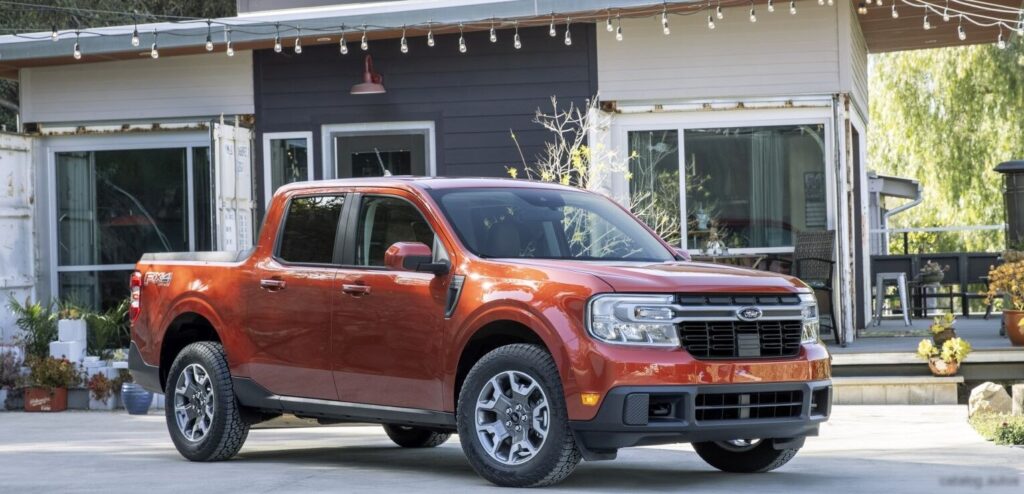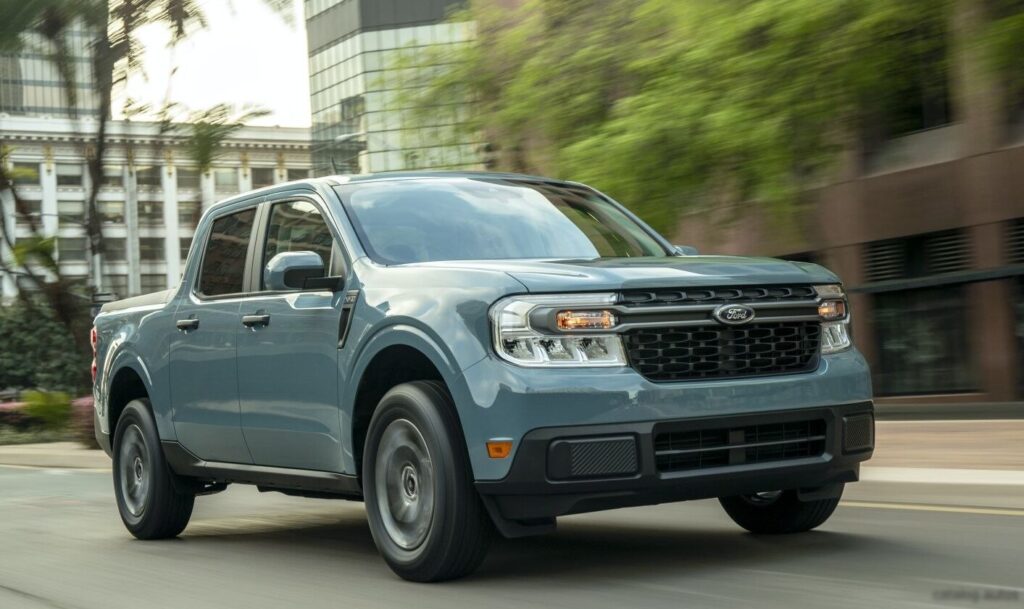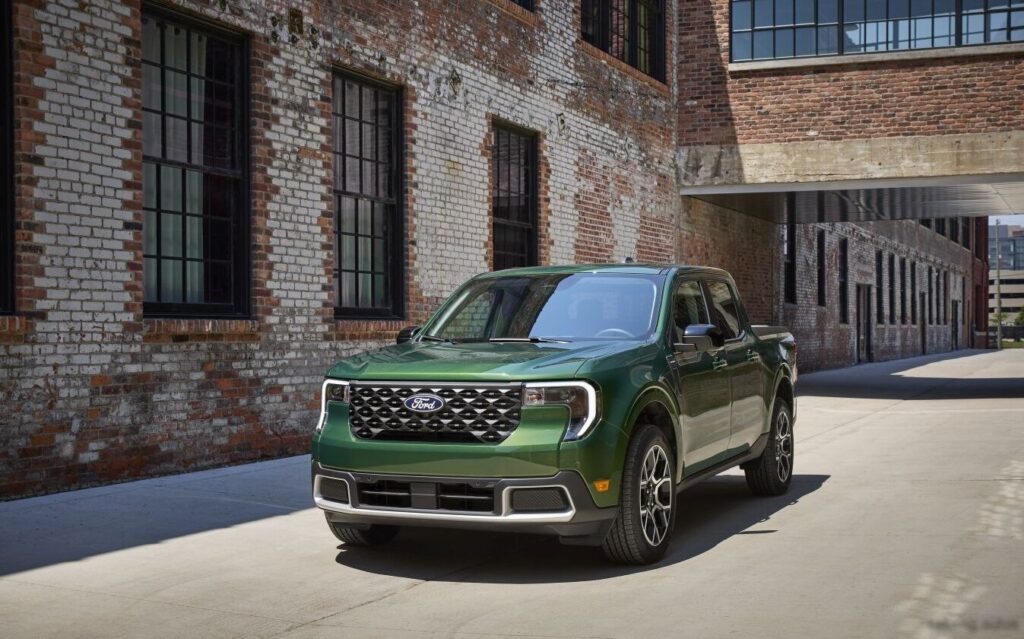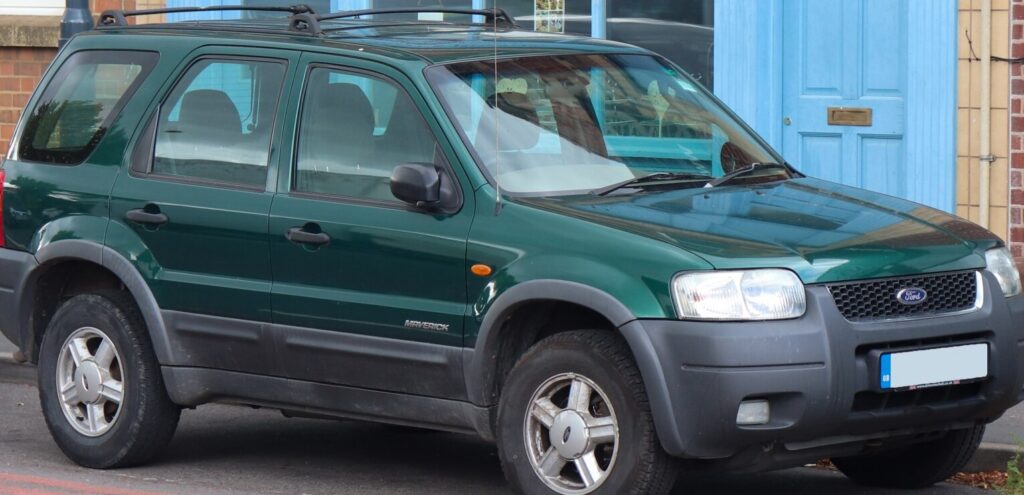
The Ford Maverick II 2.0 i 16V AWD, produced between 2000 and 2004, marked Ford of Europe’s entry into the increasingly popular compact SUV segment. Designed as a versatile vehicle for families, the Maverick II sought to combine the practicality of a station wagon with the elevated driving position and perceived safety benefits of a sport utility vehicle. This specific variant, powered by a 2.0-liter inline-four engine producing 124 horsepower and paired with a five-speed manual transmission, occupied a mid-range position within the Maverick II lineup, offering all-wheel drive capability while remaining more accessible than the higher-powered engine options. It was primarily sold in Europe, responding to the growing demand for compact SUVs.
Technical Specifications
| Brand | Ford |
| Model | Maverick |
| Generation | Maverick II |
| Type (Engine) | 2.0 i 16V AWD (124 Hp) |
| Start of production | 2000 year |
| End of production | 2004 year |
| Powertrain Architecture | Internal Combustion engine |
| Body type | SUV |
| Seats | 5 |
| Doors | 5 |
| Fuel consumption (combined) | 9.8 l/100 km (24 US mpg, 28.8 UK mpg, 10.2 km/l) |
| Fuel Type | Petrol (Gasoline) |
| Maximum speed | 166 km/h (103.15 mph) |
| Weight-to-power ratio | 12.5 kg/Hp, 80.3 Hp/tonne |
| Weight-to-torque ratio | 8.8 kg/Nm, 113.3 Nm/tonne |
| Power | 124 Hp @ 5300 rpm |
| Power per litre | 62.3 Hp/l |
| Torque | 175 Nm @ 4500 rpm (129.07 lb.-ft. @ 4500 rpm) |
| Engine layout | Front, Transverse |
| Engine Model/Code | YF |
| Engine displacement | 1989 cm3 (121.38 cu. in.) |
| Number of cylinders | 4 |
| Engine configuration | Inline |
| Cylinder Bore | 84.8 mm (3.34 in.) |
| Piston Stroke | 88 mm (3.46 in.) |
| Compression ratio | 9.6:1 |
| Number of valves per cylinder | 4 |
| Fuel injection system | Multi-port manifold injection |
| Engine aspiration | Naturally aspirated engine |
| Valvetrain | DOHC |
| Engine oil capacity | 4.25 l (4.49 US qt | 3.74 UK qt) |
| Coolant | 6.6 l (6.97 US qt | 5.81 UK qt) |
| Kerb Weight | 1545 kg (3406.14 lbs.) |
| Max. weight | 2015 kg (4442.31 lbs.) |
| Max load | 470 kg (1036.17 lbs.) |
| Trunk (boot) space – minimum | 985 l (34.78 cu. ft.) |
| Trunk (boot) space – maximum | 1940 l (68.51 cu. ft.) |
| Fuel tank capacity | 58 l (15.32 US gal | 12.76 UK gal) |
| Length | 4394 mm (172.99 in.) |
| Width | 1781 mm (70.12 in.) |
| Height | 1722 mm (67.8 in.) |
| Wheelbase | 2619 mm (103.11 in.) |
| Front track | 1554 mm (61.18 in.) |
| Rear (Back) track | 1550 mm (61.02 in.) |
| Drive wheel | All wheel drive (4×4) |
| Number of gears and type of gearbox | 5 gears, manual transmission |
| Front suspension | Wishbone |
| Rear suspension | Double wishbone |
| Front brakes | Disc |
| Rear brakes | Drum |
| Assisting systems | ABS (Anti-lock braking system) |
| Steering type | Steering rack and pinion |
| Power steering | Hydraulic Steering |
| Tires size | 225/70 R15 |
Powertrain & Engine Architecture
The 2.0 i 16V AWD Maverick II is powered by the Ford YF engine, a 2.0-liter inline-four cylinder gasoline engine. This engine is part of the Ford Zetec family and features a double overhead camshaft (DOHC) valvetrain with four valves per cylinder, enhancing its breathing efficiency. Fuel delivery is handled by a multi-port fuel injection system, ensuring precise fuel metering for optimal combustion. The engine generates 124 horsepower at 5300 rpm and 175 Nm (129 lb-ft) of torque at 4500 rpm. The five-speed manual transmission is a common pairing, providing a balance between fuel efficiency and driver engagement. The all-wheel-drive system utilizes a viscous coupling to distribute power between the front and rear axles, improving traction in challenging conditions.
Driving Characteristics
The 2.0-liter engine delivers adequate performance for everyday driving, though it isn’t particularly sporty. Acceleration is respectable, with an estimated 0-60 mph time of around 10-11 seconds. The five-speed manual transmission allows drivers to maintain the engine within its optimal power band, improving responsiveness. Compared to the more powerful 2.4-liter engine option, the 2.0-liter feels less stressed during highway driving, but lacks the same level of outright acceleration. The all-wheel-drive system provides confident handling in various weather conditions, making it a practical choice for drivers in regions with inclement weather. The gear ratios are tuned for a balance of fuel economy and usability, prioritizing everyday drivability over performance.
Equipment & Trim Levels
The 2.0 i 16V AWD trim typically included standard features such as power windows, central locking, and an AM/FM radio. Air conditioning was often standard or available as an option. Interior upholstery was generally cloth, designed for durability and practicality. Optional extras included alloy wheels, a sunroof, and upgraded audio systems. The dashboard layout is functional and straightforward, emphasizing ease of use. Safety features included ABS brakes and driver and passenger airbags.
Chassis & Braking
The Maverick II features a robust chassis with independent wishbone suspension at the front and a double wishbone setup at the rear, providing a comfortable ride and reasonable handling. Front brakes are ventilated discs, offering good stopping power, while the rear brakes are drums, a cost-saving measure common in this vehicle class. Hydraulic power steering provides light and responsive steering feel. The all-wheel-drive system adds weight but enhances stability and traction. Stabilizer bars are fitted to both the front and rear axles to minimize body roll during cornering.
Market Reception & Comparison
The Ford Maverick II 2.0 i 16V AWD was generally well-received by automotive critics as a practical and versatile family vehicle. It was praised for its spacious interior, comfortable ride, and all-weather capability. However, some critics noted that the 2.0-liter engine could feel underpowered when the vehicle is fully loaded or when tackling steep inclines. Compared to contemporary compact SUVs like the Honda CR-V and Toyota RAV4, the Maverick II offered a more affordable price point but lacked the same level of refinement and brand recognition. Fuel economy was considered average for its class, achieving around 24 mpg in combined driving.
Legacy
The Ford Maverick II, while not a revolutionary vehicle, played a significant role in establishing Ford’s presence in the growing compact SUV market. The 2.0-liter YF engine, when properly maintained, proved to be a relatively reliable unit. Today, the Maverick II 2.0 i 16V AWD can be found on the used car market at affordable prices. Common issues include wear and tear on suspension components and potential corrosion, particularly in regions with harsh winters. However, its simplicity and relatively low maintenance costs make it an appealing option for budget-conscious buyers seeking a practical and capable all-wheel-drive vehicle. The Maverick II laid the groundwork for Ford’s later, more successful SUV offerings and remains a fondly remembered vehicle for many European drivers.