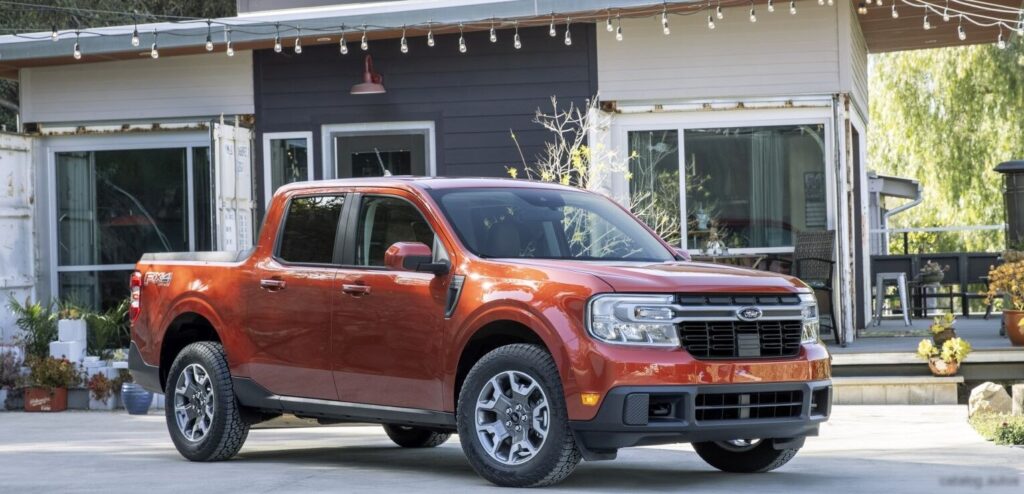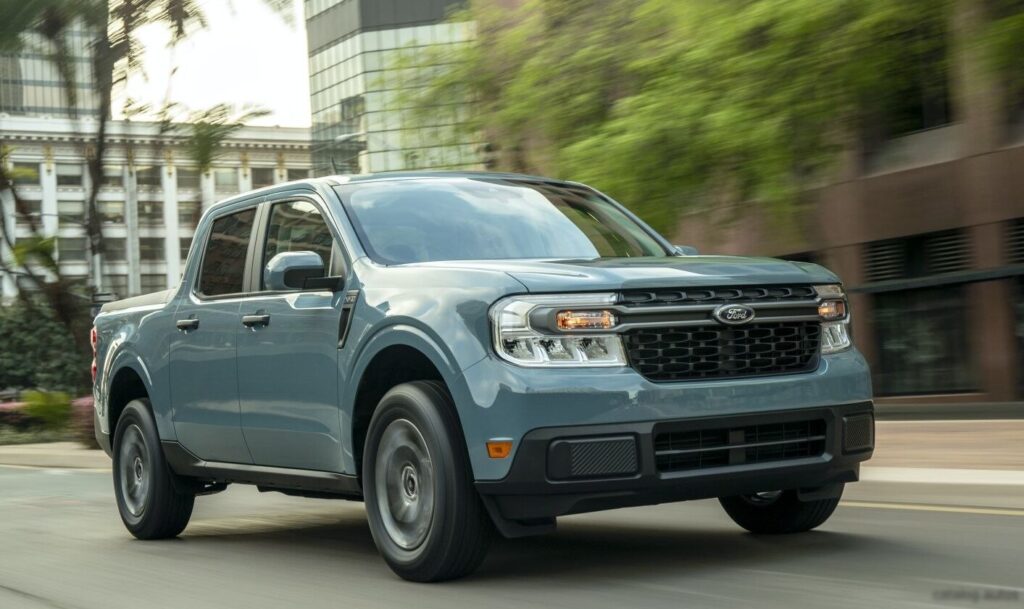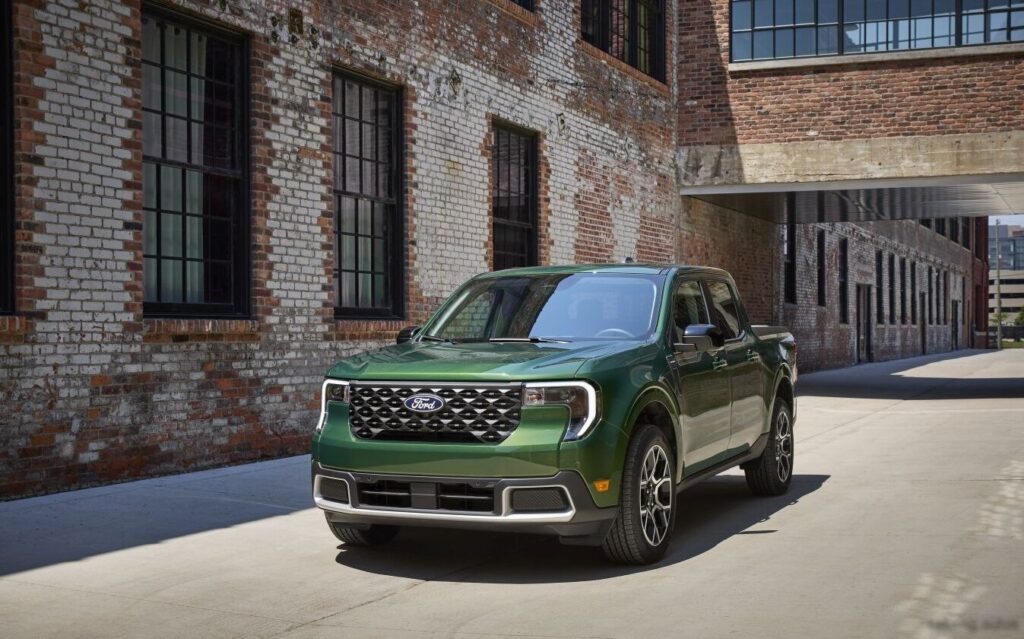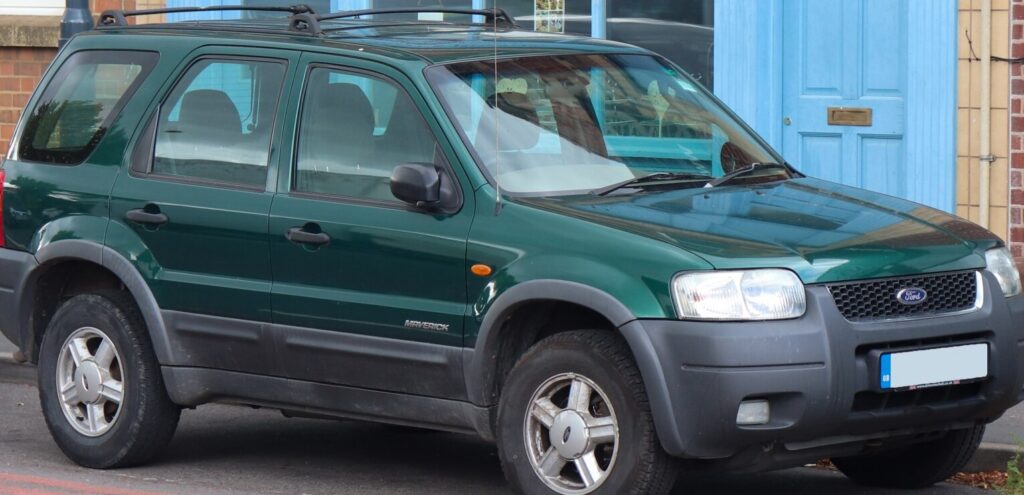
The Ford Maverick II 2.3 i 16V AWD, produced between 2004 and 2007, represented a significant step for Ford’s compact SUV offerings in the European market. Built on the Ford C-Max/Focus platform (often referred to as the 2HX0 platform), the Maverick II aimed to blend the practicality of a small SUV with the driving dynamics of a passenger car. This particular variant, equipped with the 2.3-liter inline-four engine and a five-speed manual transmission coupled with all-wheel drive, occupied a mid-range position within the Maverick II lineup, offering a balance between performance, fuel economy, and affordability. It was positioned above the base 2.0-liter models and below the more powerful, though less common, 2.0-liter turbocharged variants.
Technical Specifications
| Brand | Ford |
| Model | Maverick |
| Generation | Maverick II |
| Type (Engine) | 2.3 i 16V AWD (150 Hp) |
| Start of production | 2004 |
| End of production | 2007 |
| Powertrain Architecture | Internal Combustion engine |
| Body type | SUV |
| Seats | 5 |
| Doors | 5 |
| Fuel consumption (urban) | 13.6 l/100 km (17.3 US mpg) |
| Fuel consumption (extra urban) | 8.5 l/100 km (27.7 US mpg) |
| Fuel Type | Petrol (Gasoline) |
| Acceleration 0 – 100 km/h | 10.7 sec |
| Acceleration 0 – 62 mph | 10.7 sec |
| Acceleration 0 – 60 mph | 10.2 sec |
| Maximum speed | 171 km/h (106.25 mph) |
| Weight-to-power ratio | 10.2 kg/Hp |
| Weight-to-torque ratio | 7.7 kg/Nm |
| Power | 150 Hp @ 5700 rpm |
| Torque | 200 Nm @ 4000 rpm (147.51 lb.-ft. @ 4000 rpm) |
| Engine layout | Front, Transverse |
| Engine Model/Code | GZ |
| Engine displacement | 2261 cm3 (137.97 cu. in.) |
| Number of cylinders | 4 |
| Engine configuration | Inline |
| Cylinder Bore | 87.5 mm (3.44 in.) |
| Piston Stroke | 94 mm (3.7 in.) |
| Compression ratio | 9.4:1 |
| Number of valves per cylinder | 4 |
| Fuel injection system | Multi-port manifold injection |
| Engine aspiration | Naturally aspirated engine |
| Valvetrain | DOHC |
| Engine oil capacity | 4.25 l (4.49 US qt | 3.74 UK qt) |
| Coolant capacity | 6.6 l (6.97 US qt | 5.81 UK qt) |
| Kerb Weight | 1530 kg (3373.07 lbs.) |
| Max. weight | 1978 kg (4360.74 lbs.) |
| Max load | 448 kg (987.67 lbs.) |
| Trunk (boot) space – minimum | 985 l (34.78 cu. ft.) |
| Trunk (boot) space – maximum | 1940 l (68.51 cu. ft.) |
| Fuel tank capacity | 62 l (16.38 US gal | 13.64 UK gal) |
| Length | 4441 mm (174.84 in.) |
| Width | 1825 mm (71.85 in.) |
| Height | 1762 mm (69.37 in.) |
| Wheelbase | 2620 mm (103.15 in.) |
| Front track | 1557 mm (61.3 in.) |
| Rear track | 1762 mm (69.37 in.) |
| Drive wheel | All wheel drive (4×4) |
| Number of gears | 5 |
| Gearbox type | Manual transmission |
| Front suspension | Independent, McPherson with coil spring and anti-roll bar |
| Rear suspension | Independent multi-link spring suspension with stabilizer |
| Front brakes | Disc |
| Rear brakes | Disc |
| Assisting systems | ABS (Anti-lock braking system) |
| Power steering | Hydraulic Steering |
| Tires size | 225/75 R16 |
| Wheel rims size | 16 |
Powertrain & Engine Architecture
The heart of the Maverick II 2.3 i 16V AWD is the Ford GZ engine, a 2.3-liter inline-four cylinder gasoline engine. This engine, part of the Duratec family, utilizes a cast iron block with an aluminum cylinder head. It features a double overhead camshaft (DOHC) valvetrain with four valves per cylinder, contributing to its relatively good breathing characteristics for a naturally aspirated engine. Fuel delivery is managed by a multi-port fuel injection system, providing precise fuel metering for optimal combustion. The engine produces 150 horsepower at 5700 rpm and 200 Nm (147.51 lb-ft) of torque at 4000 rpm. The five-speed manual transmission was a common pairing, offering a good balance of fuel efficiency and driver engagement. The all-wheel-drive system employed a viscous coupling, automatically distributing torque between the front and rear axles as needed, enhancing traction in slippery conditions.
Driving Characteristics
The 2.3-liter engine, while not exceptionally powerful, provided adequate performance for everyday driving. Acceleration from 0 to 60 mph took around 10.2 seconds, and the top speed was approximately 106.25 mph. Compared to the higher-output 2.0-liter turbocharged versions, the 2.3-liter felt less eager to rev, but offered a broader, more usable torque curve. The five-speed manual transmission allowed for precise control, and the all-wheel-drive system instilled confidence in various weather conditions. The gear ratios were tuned for a balance of fuel economy and responsiveness, making it a comfortable cruiser on the highway. However, drivers seeking a more sporty experience might find the engine lacking in outright power.
Equipment & Trim Levels
The 2.3 i 16V AWD trim typically included features such as air conditioning, power windows, power door locks, and an integrated audio system. Standard safety equipment included ABS brakes and a driver’s airbag. Interior upholstery was typically cloth, with options for upgraded materials available. Depending on the market and optional packages, features like alloy wheels, a sunroof, and upgraded audio systems could be added. The Maverick II offered a relatively practical and well-equipped interior for its class, with ample space for passengers and cargo.
Chassis & Braking
The Maverick II utilized an independent suspension system on both the front and rear axles. The front suspension employed McPherson struts with coil springs and an anti-roll bar, while the rear featured a multi-link setup with a stabilizer bar. This configuration provided a comfortable ride and decent handling characteristics. Braking duties were handled by disc brakes on all four wheels, providing adequate stopping power. The hydraulic power steering offered a reasonable level of assistance, making the vehicle easy to maneuver.
Market Reception & Comparison
The Ford Maverick II 2.3 i 16V AWD was generally well-received by automotive critics as a practical and versatile SUV. It was praised for its comfortable ride, spacious interior, and all-weather capability. However, some critics noted that the 2.3-liter engine lacked the punch of its turbocharged counterparts. Fuel economy was considered average for its class. Compared to other SUVs in the same segment, such as the Nissan Qashqai and the Renault Kadjar, the Maverick II offered a competitive package in terms of price, features, and practicality.
Legacy
The Ford Maverick II, and specifically the 2.3 i 16V AWD variant, has proven to be a relatively reliable vehicle in the used car market. The Duratec 2.3-liter engine is known for its durability, and the all-wheel-drive system has generally held up well over time. Common maintenance issues include routine servicing of the engine and transmission, as well as occasional repairs to the suspension components. Today, the Maverick II represents an affordable and practical option for buyers seeking a compact SUV with all-wheel drive. Its blend of comfort, practicality, and reliability has ensured its continued presence on roads across Europe.