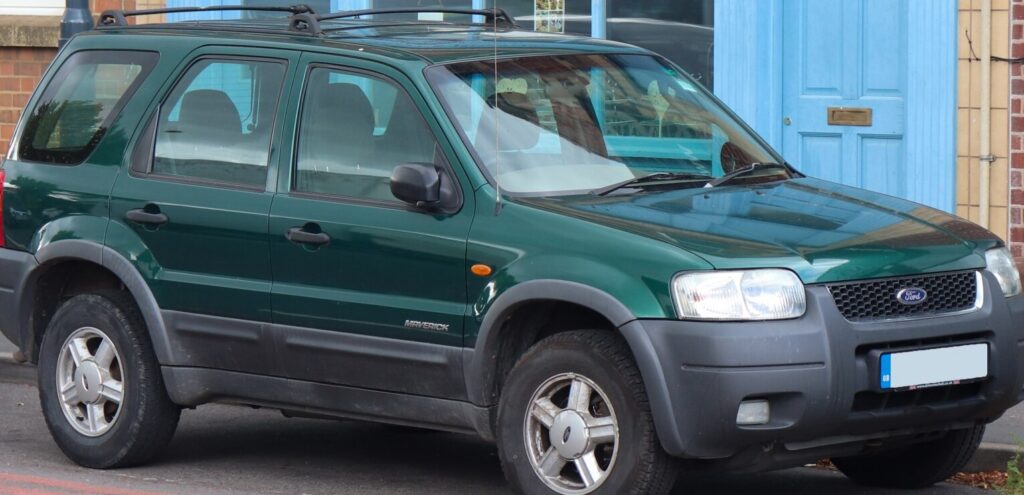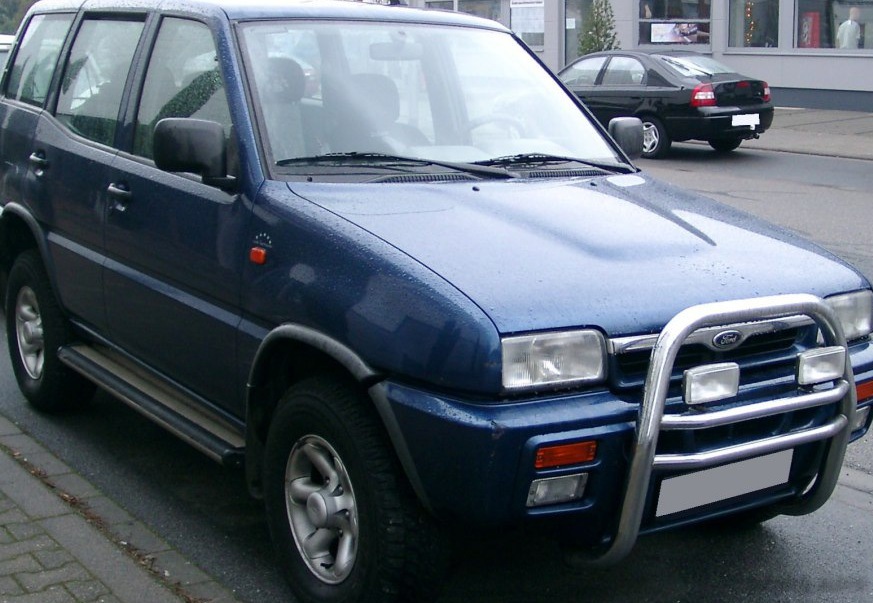
The Ford Maverick (UDS, UNS) 2.4i 3-door, produced between 1996 and 1998, represented a unique offering in Ford’s European lineup. Positioned as a compact SUV, it aimed to blend the practicality of a station wagon with the rugged aesthetics of an off-road vehicle. This particular variant, equipped with the 2.4-liter inline-four engine and a five-speed manual transmission, served as a mid-range option within the Maverick series, offering a balance between affordability and capability. The Maverick, while not a massive sales success, carved out a niche for itself as a versatile and distinctive vehicle.
Technical Specifications
| Brand | Ford |
| Model | Maverick |
| Generation | Maverick (UDS, UNS) |
| Type (Engine) | 2.4 i (3 dr) (116 Hp) |
| Start of production | 1996 |
| End of production | 1998 |
| Powertrain Architecture | Internal Combustion engine |
| Body type | SUV |
| Seats | 5 |
| Doors | 3 |
| Fuel Type | Petrol (Gasoline) |
| Acceleration 0 – 100 km/h | 13.7 sec |
| Acceleration 0 – 62 mph | 13.7 sec |
| Acceleration 0 – 60 mph | 13 sec |
| Maximum speed | 160 km/h (99.42 mph) |
| Weight-to-power ratio | 14.1 kg/Hp, 71.2 Hp/tonne |
| Weight-to-torque ratio | 8.5 kg/Nm, 117.2 Nm/tonne |
| Power | 116 Hp @ 4800 rpm |
| Power per litre | 48.6 Hp/l |
| Torque | 191 Nm @ 3200 rpm (140.87 lb.-ft. @ 3200 rpm) |
| Engine layout | Front, Longitudinal |
| Engine Model/Code | KA24 |
| Engine displacement | 2389 cm3 (145.79 cu. in.) |
| Number of cylinders | 4 |
| Engine configuration | Inline |
| Cylinder Bore | 89 mm (3.5 in.) |
| Piston Stroke | 96 mm (3.78 in.) |
| Compression ratio | 8.6:1 |
| Number of valves per cylinder | 3 |
| Fuel injection system | Multi-port manifold injection |
| Engine aspiration | Naturally aspirated engine |
| Valvetrain | OHC |
| Engine oil capacity | 4.3 l (4.54 US qt | 3.78 UK qt) |
| Kerb Weight | 1630 kg (3593.53 lbs.) |
| Max. weight | 2510 kg (5533.6 lbs.) |
| Max load | 880 kg (1940.07 lbs.) |
| Trunk (boot) space – minimum | 335 l (11.83 cu. ft.) |
| Trunk (boot) space – maximum | 1650 l (58.27 cu. ft.) |
| Fuel tank capacity | 72 l (19.02 US gal | 15.84 UK gal) |
| Length | 4185 mm (164.76 in.) |
| Width | 1755 mm (69.09 in.) |
| Height | 1830 mm (72.05 in.) |
| Wheelbase | 2450 mm (96.46 in.) |
| Front track | 1455 mm (57.28 in.) |
| Rear (Back) track | 1430 mm (56.3 in.) |
| Drive wheel | All wheel drive (4×4) |
| Number of gears and type of gearbox | 5 gears, manual transmission |
| Front suspension | Double wishbone |
| Rear suspension | Coil spring |
| Front brakes | Ventilated discs |
| Rear brakes | Drum |
| Assisting systems | ABS (Anti-lock braking system) |
| Steering type | Steering rack and pinion |
| Power steering | Hydraulic Steering |
| Tires size | 235/75 R 15 R |
Powertrain & Engine Architecture
The heart of the Maverick 2.4i was the Ford KA24 engine, a 2.4-liter inline-four cylinder gasoline engine. This engine, while not particularly high-tech, was known for its durability and relatively simple maintenance requirements. It utilized a multi-port fuel injection system, delivering fuel directly into the intake ports, and a single overhead camshaft (OHC) valvetrain operating three valves per cylinder (two intake, one exhaust). The 8.6:1 compression ratio was a compromise between performance and the fuel quality available in European markets. The engine produced 116 horsepower at 4800 rpm and 191 Nm (140.87 lb-ft) of torque at 3200 rpm. The five-speed manual transmission provided a reasonable spread of gears, although it wasn’t known for particularly quick or precise shifts. The engine was mounted longitudinally, contributing to the vehicle’s all-wheel-drive configuration.
Driving Characteristics
The 2.4i manual transmission Maverick offered adequate, but not exhilarating, performance. Acceleration from 0-60 mph took around 13 seconds, and the top speed was approximately 99.42 mph. The engine’s torque peak at 3200 rpm meant that it felt reasonably responsive in everyday driving situations, particularly when overtaking. However, it lacked the punch of higher-output engines available in the Maverick range. The five-speed gearbox helped to keep the engine in its optimal power band, but the gear ratios weren’t particularly optimized for sporty driving. The all-wheel-drive system provided enhanced traction, especially on slippery surfaces, making it a capable vehicle in inclement weather. Compared to the later, more powerful versions, this 2.4i felt more relaxed and focused on practicality than outright performance.
Equipment & Trim Levels
The 2.4i Maverick typically came with a fairly basic level of equipment, reflecting its position as a mid-range model. Standard features included power steering, ABS brakes, and a relatively simple interior with cloth upholstery. Air conditioning was often an optional extra, as were features like power windows and central locking. The dashboard layout was functional but lacked the sophistication of some contemporary vehicles. Interior space was reasonable for a compact SUV, with enough room for five passengers, although rear legroom could be limited. The rear seats could be folded down to increase cargo capacity, offering a versatile loading area.
Chassis & Braking
The Maverick utilized a robust chassis designed to handle both on-road and light off-road conditions. The front suspension featured a double wishbone setup, providing a comfortable ride and good handling characteristics. The rear suspension employed a coil spring arrangement. Braking duties were handled by ventilated discs at the front and drum brakes at the rear. While the braking system was adequate for normal driving, it lacked the stopping power of more modern vehicles. The all-wheel-drive system, coupled with the ABS brakes, provided enhanced stability and control in challenging conditions.
Market Reception & Comparison
The Ford Maverick 2.4i received mixed reviews from automotive critics. It was generally praised for its practicality, versatility, and rugged styling. However, it was often criticized for its relatively modest performance and somewhat dated interior. Compared to other SUVs on the market at the time, such as the Honda CR-V or Toyota RAV4, the Maverick offered a more distinctive and arguably more characterful design. However, it lacked the refinement and fuel efficiency of its Japanese competitors. Within the Maverick lineup, the 2.4i offered a more affordable alternative to the more powerful V6 models, appealing to buyers who prioritized practicality and value over outright performance.
Legacy
The Ford Maverick, in all its variants, didn’t achieve the same level of sales success as some of its rivals. However, it has developed a loyal following among enthusiasts who appreciate its unique styling and rugged character. The 2.4i engine, while not known for being particularly high-performance, proved to be relatively reliable and durable. Today, well-maintained examples of the Maverick 2.4i are becoming increasingly sought after by collectors and enthusiasts. The vehicle’s simple mechanical design makes it relatively easy to maintain and repair, contributing to its enduring appeal in the used car market. While not a groundbreaking vehicle, the Ford Maverick 2.4i represents a unique and interesting chapter in Ford’s history.