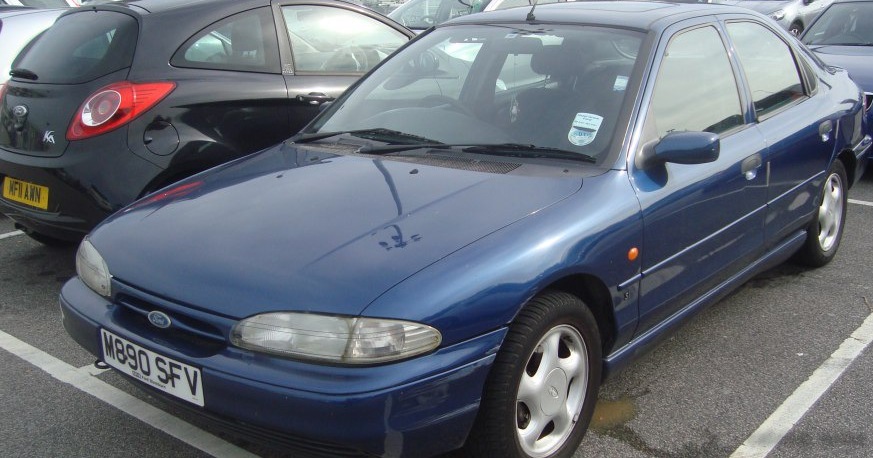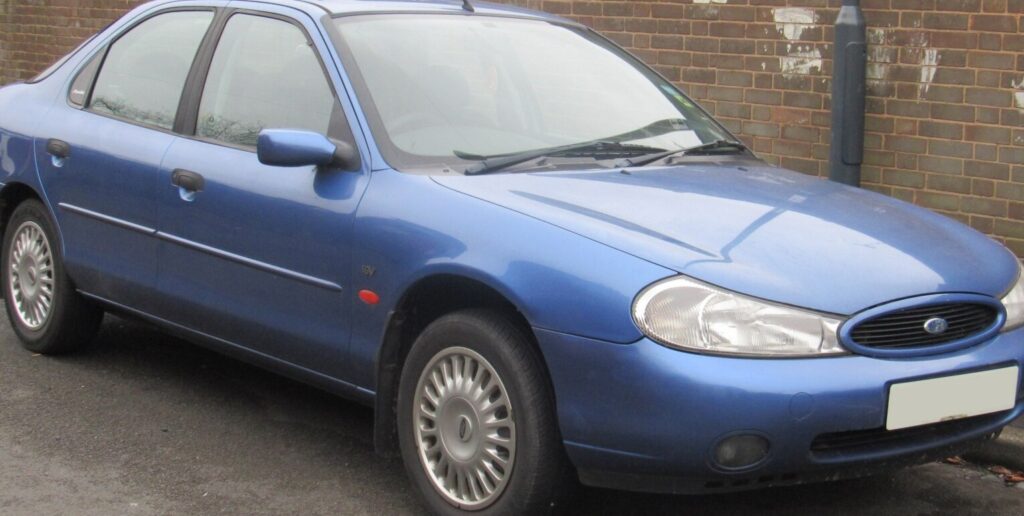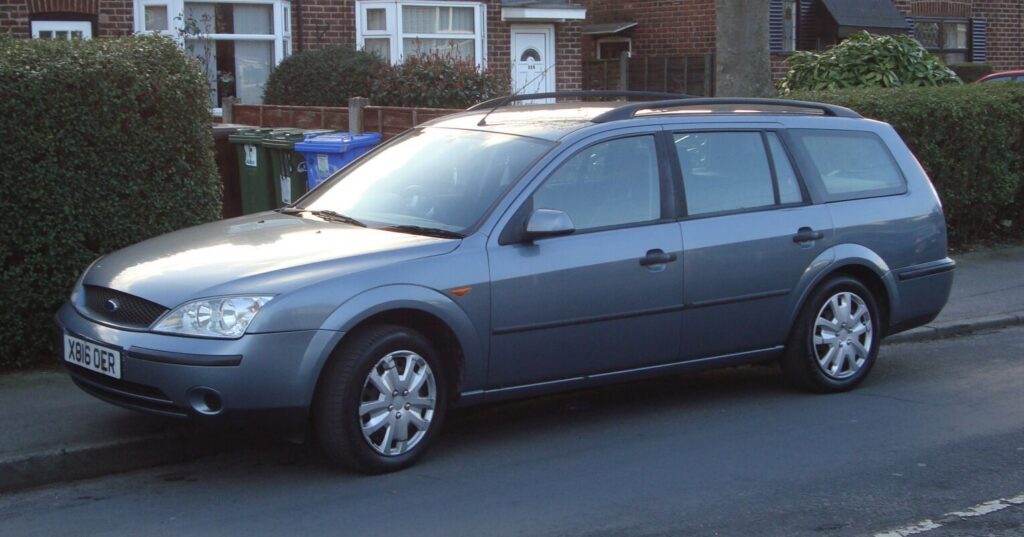
The Ford Mondeo II Wagon 2.0 DI, produced between 2001 and 2007, represented a significant offering in the European D-segment for Ford. This variant, equipped with a 2.0-liter direct injection diesel engine producing 115 horsepower, occupied a middle ground within the Mondeo Wagon lineup, appealing to buyers seeking a balance between fuel efficiency, practicality, and reasonable performance. It was a key component of the second-generation Mondeo (B5Y), which built upon the success of the original, offering improved refinement, safety, and technology. The Mondeo II, and specifically the wagon variant, was primarily aimed at the European market, where estate cars held a strong appeal for families and those requiring substantial cargo space.
Technical Specifications
| Brand | Ford |
| Model | Mondeo |
| Generation | Mondeo II Wagon |
| Type (Engine) | 2.0 DI (115 Hp) |
| Start of production | 2001 year |
| End of production | 2007 year |
| Powertrain Architecture | Internal Combustion engine |
| Body type | Station wagon (estate) |
| Seats | 5 |
| Doors | 5 |
| Fuel consumption (urban) | 8.3 l/100 km (28.3 US mpg, 34 UK mpg, 12 km/l) |
| Fuel consumption (extra urban) | 4.7 l/100 km (50 US mpg, 60.1 UK mpg, 21.3 km/l) |
| Fuel consumption (combined) | 6 l/100 km (39.2 US mpg, 47.1 UK mpg, 16.7 km/l) |
| Fuel Type | Diesel |
| Acceleration 0 – 100 km/h | 11.2 sec |
| Acceleration 0 – 62 mph | 11.2 sec |
| Acceleration 0 – 60 mph | 10.6 sec |
| Maximum speed | 193 km/h (119.92 mph) |
| Weight-to-power ratio | 13.5 kg/Hp, 74.1 Hp/tonne |
| Weight-to-torque ratio | 5.5 kg/Nm, 180.5 Nm/tonne |
| Power | 115 Hp @ 4000 rpm |
| Power per litre | 57.6 Hp/l |
| Torque | 280 Nm @ 1900 rpm (206.52 lb.-ft. @ 1900 rpm) |
| Engine layout | Front, Transverse |
| Engine Model/Code | D6BA |
| Engine displacement | 1998 cm3 (121.93 cu. in.) |
| Number of cylinders | 4 |
| Engine configuration | Inline |
| Cylinder Bore | 86 mm (3.39 in.) |
| Piston Stroke | 86 mm (3.39 in.) |
| Compression ratio | 19:1 |
| Number of valves per cylinder | 4 |
| Fuel injection system | Direct injection |
| Engine aspiration | Turbocharger, Intercooler |
| Valvetrain | DOHC |
| Engine oil capacity | 6 l (6.34 US qt | 5.28 UK qt) |
| Coolant | 10.4 l (10.99 US qt | 9.15 UK qt) |
| Kerb Weight | 1551 kg (3419.37 lbs.) |
| Max. weight | 2140 kg (4717.89 lbs.) |
| Max load | 589 kg (1298.52 lbs.) |
| Trunk (boot) space – minimum | 540 l (19.07 cu. ft.) |
| Trunk (boot) space – maximum | 1700 l (60.03 cu. ft.) |
| Fuel tank capacity | 56 l (14.79 US gal | 12.32 UK gal) |
| Length | 4804 mm (189.13 in.) |
| Width | 1812 mm (71.34 in.) |
| Height | 1441 mm (56.73 in.) |
| Wheelbase | 2754 mm (108.43 in.) |
| Front track | 1522 mm (59.92 in.) |
| Rear (Back) track | 1537 mm (60.51 in.) |
| Drivetrain Architecture | The Internal combustion engine (ICE) drives the front wheels of the vehicle. |
| Drive wheel | Front wheel drive |
| Number of gears and type of gearbox | 5 gears, manual transmission |
| Front suspension | Wishbone |
| Rear suspension | Coil spring |
| Front brakes | Ventilated discs |
| Rear brakes | Disc |
| Assisting systems | ABS (Anti-lock braking system) |
| Steering type | Steering rack and pinion |
| Power steering | Hydraulic Steering |
| Tires size | 205/55 R16 |
Powertrain & Engine Architecture
The heart of the Mondeo II Wagon 2.0 DI was the D6BA engine, a 1.998-liter inline-four cylinder diesel. This engine utilized direct fuel injection, a technology that significantly improved fuel efficiency and reduced emissions compared to older indirect injection systems. The D6BA featured a turbocharger with an intercooler, boosting power output to 115 horsepower and 280 Nm (206.52 lb-ft) of torque. The engine employed a double overhead camshaft (DOHC) valvetrain with four valves per cylinder, optimizing gas flow and contributing to its relatively strong performance for a diesel engine of its era. The 5-speed manual transmission was the standard offering, providing a balance between fuel economy and drivability. While an automatic transmission was available on other Mondeo variants, it was less commonly paired with the 2.0 DI engine.
Driving Characteristics
The 2.0 DI engine, while not exceptionally powerful, provided adequate performance for everyday driving. Acceleration from 0 to 60 mph took around 10.6 seconds, and the car had a top speed of approximately 119.92 mph. The turbocharger provided a noticeable boost in power at lower engine speeds, making it relatively easy to keep up with traffic. However, compared to the higher-output petrol engines available in the Mondeo II range (like the 2.5 V6), the 2.0 DI felt less responsive. The manual transmission offered precise shifts, and the gear ratios were well-suited to maximizing fuel efficiency. The wagon body style did add some weight, slightly impacting acceleration and handling compared to the saloon version.
Equipment & Trim Levels
The 2.0 DI variant typically came equipped with a reasonable level of standard features. These included power steering, ABS, front airbags, electric front windows, and a basic audio system. Higher trim levels, such as Ghia, added features like alloy wheels, climate control, rear parking sensors, and upgraded interior trim. Interior upholstery was typically cloth, although leather options were available. The dashboard layout was functional and straightforward, prioritizing usability over flashy design. Optional extras included a sunroof, upgraded audio systems, and metallic paint finishes.
Chassis & Braking
The Mondeo II Wagon featured independent front suspension with wishbones and a coil spring rear suspension. This setup provided a comfortable ride quality while maintaining reasonable handling characteristics. The front brakes were ventilated discs, offering good stopping power, while the rear brakes were solid discs. The steering was a hydraulic rack and pinion system, providing precise and responsive steering feel. The standard tire size was 205/55 R16, offering a good balance between grip and ride comfort.
Market Reception & Comparison
The Mondeo II Wagon 2.0 DI was generally well-received by automotive critics. It was praised for its fuel efficiency, spacious interior, and comfortable ride. However, some critics noted that the engine lacked the refinement and performance of some of its competitors. Compared to the petrol-powered Mondeo variants, the 2.0 DI offered significantly better fuel economy but less outright performance. It was often seen as a practical and sensible choice for families and those who prioritized fuel efficiency over sporty driving dynamics. Against rivals like the Volkswagen Passat Estate and Peugeot 406 SW, the Mondeo offered a competitive package in terms of space, equipment, and price.
Legacy
The D6BA engine, while not without its quirks, proved to be a relatively reliable powertrain. With proper maintenance, these engines can cover high mileages. The Mondeo II Wagon 2.0 DI remains a popular choice in the used car market, particularly for those seeking an affordable and practical estate car. Its fuel efficiency and spacious interior continue to appeal to buyers today. However, potential buyers should be aware of common diesel engine issues, such as turbocharger wear and injector problems, and ensure that the vehicle has been well-maintained.