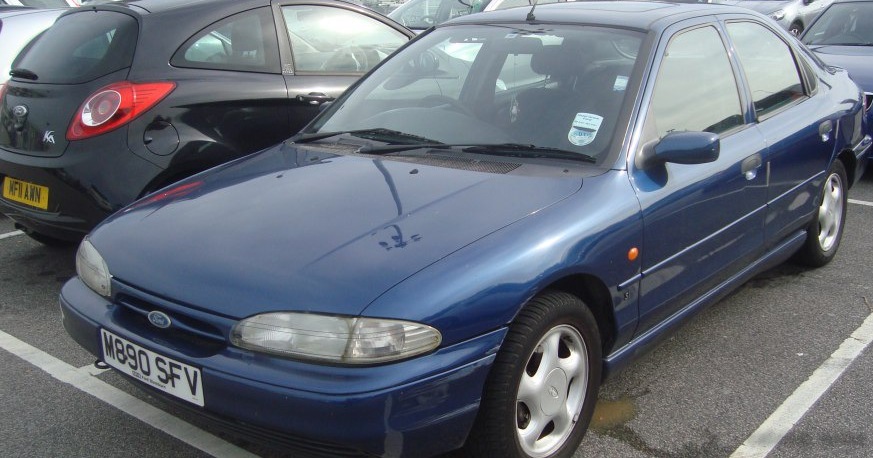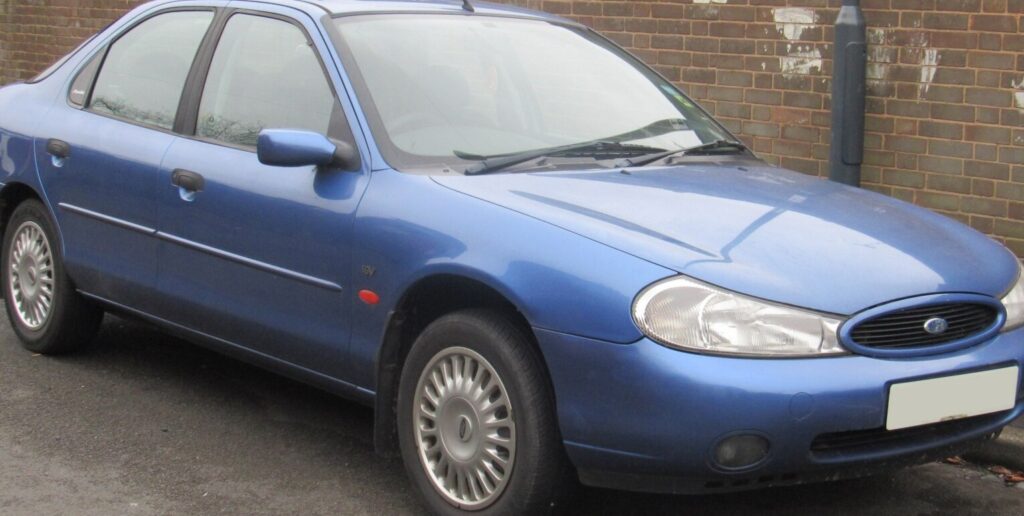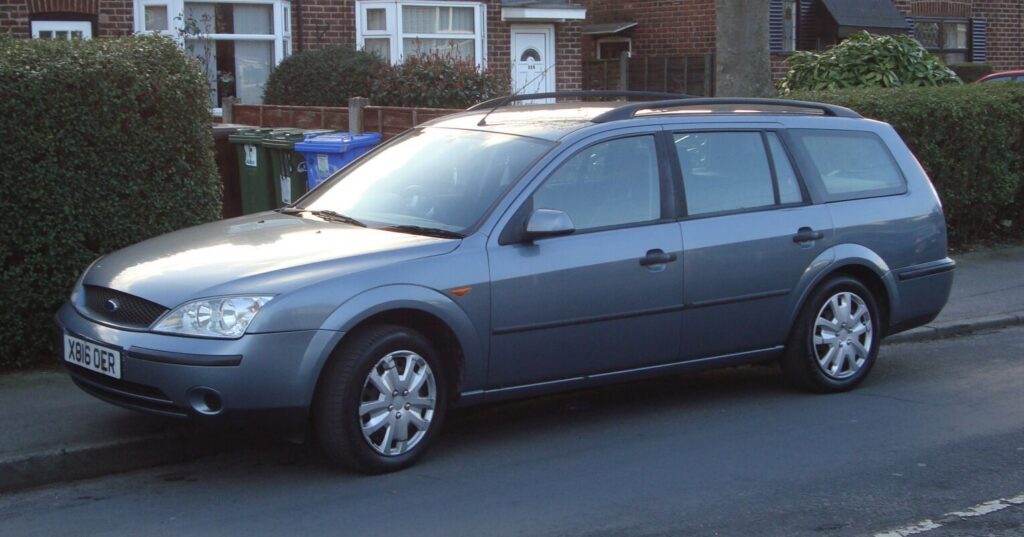
The Ford Mondeo II Wagon 2.0 DI Automatic, produced between 2001 and 2007, represented a practical and fuel-efficient option within the second generation Mondeo lineup. Positioned as a mid-range offering, it catered to buyers seeking the versatility of a station wagon (estate) with the convenience of an automatic transmission and the economy of a diesel engine. This variant played a significant role in Ford’s European sales, offering a compelling alternative to competitors like the Volkswagen Passat and Opel Vectra. The Mondeo II, built on the Ford CDW270 platform (internally designated as 1HX0 for the wagon), aimed to provide a more refined and spacious experience than its predecessor.
Technical Specifications
| Brand | Ford |
| Model | Mondeo |
| Generation | Mondeo II Wagon |
| Type (Engine) | 2.0 DI (115 Hp) Automatic |
| Start of production | 2001 |
| End of production | 2007 |
| Powertrain Architecture | Internal Combustion engine |
| Body type | Station wagon (estate) |
| Seats | 5 |
| Doors | 5 |
| Fuel consumption (urban) | 10.2 l/100 km (23.1 US mpg, 27.7 UK mpg, 9.8 km/l) |
| Fuel consumption (extra urban) | 5.9 l/100 km (39.9 US mpg, 47.9 UK mpg, 16.9 km/l) |
| Fuel consumption (combined) | 7.5 l/100 km (31.4 US mpg, 37.7 UK mpg, 13.3 km/l) |
| Fuel Type | Diesel |
| Acceleration 0 – 100 km/h | 13 sec |
| Acceleration 0 – 62 mph | 13 sec |
| Acceleration 0 – 60 mph | 12.4 sec |
| Maximum speed | 190 km/h (118.06 mph) |
| Weight-to-power ratio | 13.5 kg/Hp, 74.1 Hp/tonne |
| Weight-to-torque ratio | 5.5 kg/Nm, 180.5 Nm/tonne |
| Power | 115 Hp @ 4000 rpm |
| Power per litre | 57.6 Hp/l |
| Torque | 280 Nm @ 1900 rpm (206.52 lb.-ft. @ 1900 rpm) |
| Engine layout | Front, Transverse |
| Engine Model/Code | D6BA |
| Engine displacement | 1998 cm3 (121.93 cu. in.) |
| Number of cylinders | 4 |
| Engine configuration | Inline |
| Cylinder Bore | 86 mm (3.39 in.) |
| Piston Stroke | 86 mm (3.39 in.) |
| Compression ratio | 19:1 |
| Number of valves per cylinder | 4 |
| Fuel injection system | Direct injection |
| Engine aspiration | Turbocharger, Intercooler |
| Valvetrain | DOHC |
| Engine oil capacity | 6 l (6.34 US qt | 5.28 UK qt) |
| Coolant capacity | 10.4 l (10.99 US qt | 9.15 UK qt) |
| Kerb Weight | 1551 kg (3419.37 lbs.) |
| Max. weight | 2140 kg (4717.89 lbs.) |
| Max load | 589 kg (1298.52 lbs.) |
| Trunk (boot) space – minimum | 540 l (19.07 cu. ft.) |
| Trunk (boot) space – maximum | 1700 l (60.03 cu. ft.) |
| Fuel tank capacity | 56 l (14.79 US gal | 12.32 UK gal) |
| Length | 4804 mm (189.13 in.) |
| Width | 1812 mm (71.34 in.) |
| Height | 1441 mm (56.73 in.) |
| Wheelbase | 2754 mm (108.43 in.) |
| Front track | 1522 mm (59.92 in.) |
| Rear track | 1537 mm (60.51 in.) |
| Drivetrain Architecture | Front wheel drive |
| Number of gears | 5 |
| Gearbox type | Automatic transmission |
| Front suspension | Wishbone |
| Rear suspension | Coil spring |
| Front brakes | Ventilated discs |
| Rear brakes | Disc |
| Assisting systems | ABS (Anti-lock braking system) |
| Steering type | Steering rack and pinion |
| Power steering | Hydraulic |
| Tires size | 205/55 R16 |
| Wheel rims size | 16 |
Powertrain & Engine Architecture
The 2.0 DI engine, designated with the code D6BA, was a four-cylinder diesel engine featuring direct injection and a turbocharger with an intercooler. This configuration allowed for a good balance between power and fuel efficiency. The direct injection system, a key feature of this engine, improved combustion efficiency and reduced emissions compared to older indirect injection systems. The engine utilized a double overhead camshaft (DOHC) valvetrain, contributing to improved breathing and power delivery. The five-speed automatic transmission was a crucial component of this variant, offering convenience for everyday driving. While not known for its sportiness, the transmission was generally reliable and provided smooth shifts under normal conditions. The engine produced 115 horsepower at 4000 rpm and 280 Nm (206.52 lb-ft) of torque at 1900 rpm, providing adequate power for cruising and carrying loads.
Driving Characteristics
The Mondeo II Wagon 2.0 DI Automatic offered a comfortable and relaxed driving experience. Acceleration was adequate, with a 0-60 mph time of around 12.4 seconds, but it wasn’t particularly quick. The automatic transmission, while convenient, did detract from the engine’s responsiveness compared to the manual transmission options. The gear ratios were tuned for fuel economy rather than performance, resulting in a noticeable delay during overtaking maneuvers. However, the engine’s strong low-end torque made it well-suited for hauling passengers and cargo. The suspension provided a comfortable ride, absorbing bumps and imperfections in the road effectively. Compared to the higher-output 2.2-liter petrol versions, the 2.0 DI Automatic prioritized fuel efficiency and practicality over outright performance.
Equipment & Trim Levels
The 2.0 DI Automatic trim typically included features such as air conditioning, power windows, central locking, and an integrated radio/cassette player. Higher trim levels offered options like alloy wheels, upgraded upholstery, a sunroof, and a more sophisticated audio system. Safety features included ABS brakes and driver and passenger airbags. The interior was generally well-built and functional, with a focus on practicality. The wagon body style provided ample cargo space, making it ideal for families and those needing to transport large items. The dashboard layout was straightforward and easy to use, with clearly labeled controls.
Chassis & Braking
The Mondeo II Wagon featured a front-wheel-drive layout with independent wishbone suspension at the front and a coil spring rear suspension. This setup provided a good balance between ride comfort and handling. The front brakes were ventilated discs, offering good stopping power, while the rear brakes were solid discs. The hydraulic power steering provided light and precise steering feel. The chassis was designed to provide stability and control, even when fully loaded. The 205/55 R16 tires offered a good compromise between grip and rolling resistance.
Market Reception & Comparison
The Ford Mondeo II Wagon 2.0 DI Automatic was generally well-received by critics and buyers alike. It was praised for its spacious interior, comfortable ride, and fuel efficiency. However, some critics noted that the automatic transmission could feel sluggish at times. Compared to the petrol-powered Mondeos, the 2.0 DI Automatic offered significantly better fuel economy, making it a popular choice for high-mileage drivers. It also provided a more refined and quieter driving experience than some of its competitors. In terms of reliability, the D6BA engine was generally considered to be robust, although regular maintenance was essential to prevent issues with the turbocharger and fuel injection system.
Legacy
The Ford Mondeo II Wagon 2.0 DI Automatic remains a popular choice in the used car market today, particularly for those seeking a practical and affordable family vehicle. The D6BA engine, when properly maintained, can provide many years of reliable service. While not a performance car, it offers a comfortable and economical driving experience. The Mondeo II Wagon helped to establish Ford as a major player in the European station wagon market, and its legacy continues to influence Ford’s current lineup of vehicles. Parts availability is generally good, making it relatively easy and inexpensive to keep these vehicles on the road.