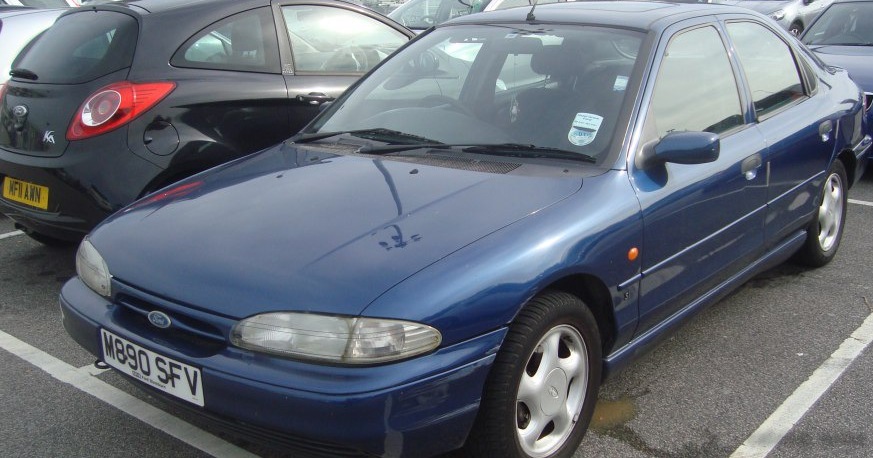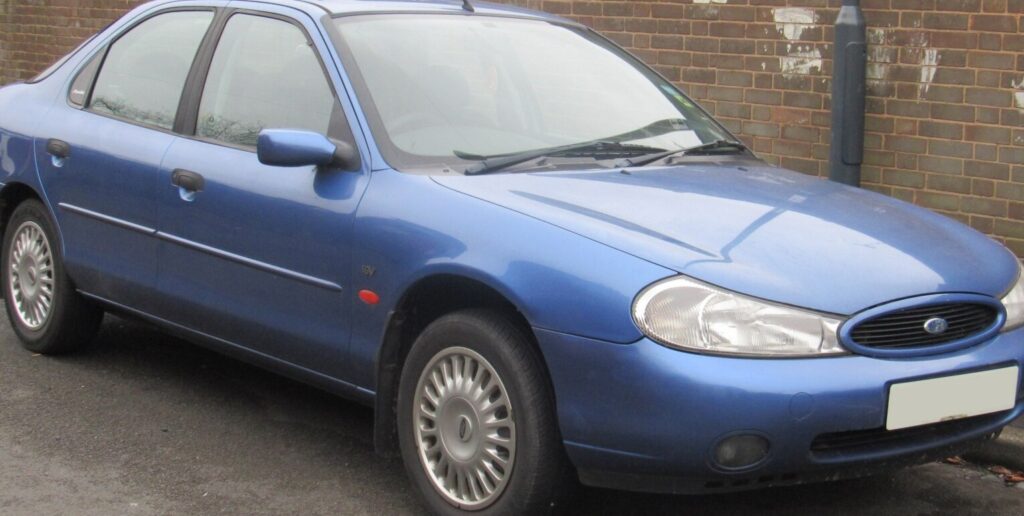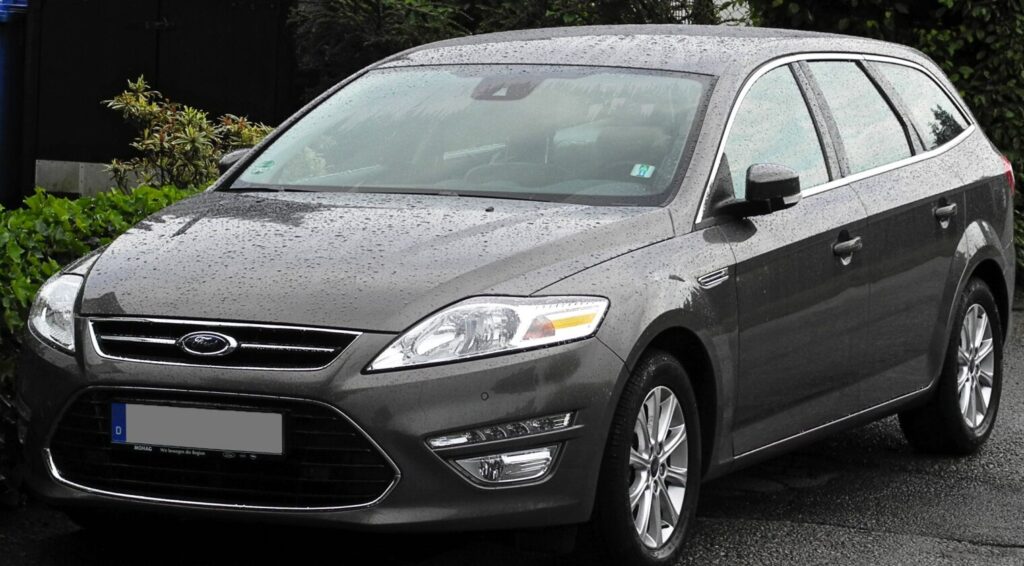
The Ford Mondeo III Wagon, specifically the 1.6 16V (120 hp) variant produced from 2010 to 2014, represented an entry-level offering within the facelifted third generation of Ford’s globally successful mid-size family car. This model, built on the Ford C/D platform (internally designated as 1HX0/A3), aimed to provide a practical and affordable estate car option for European buyers. The facelift brought revised styling, improved interior materials, and updated engine options, with the 1.6-liter Duratec serving as the base engine choice for those prioritizing fuel economy and lower purchase price.
POWERTRAIN & ENGINE ARCHITECTURE
The heart of this Mondeo variant is the Ford Duratec 1.6-liter inline-four cylinder gasoline engine, bearing the internal code KGBA. This engine is a naturally aspirated unit featuring multi-port fuel injection and a dual overhead camshaft (DOHC) valvetrain with four valves per cylinder. The 1.6 Duratec, while not known for outright performance, was designed for efficiency and reliability. It produces 120 horsepower at 6300 rpm and 160 Nm (118 lb-ft) of torque at 4100 rpm. The engine’s compression ratio is 11:1. The engine is transversely mounted at the front of the vehicle. Paired with this engine was a five-speed manual transmission, which was the standard offering. This transmission was chosen for its simplicity and cost-effectiveness, contributing to the vehicle’s overall affordability.
DRIVING CHARACTERISTICS
The 1.6-liter engine, coupled with the five-speed manual gearbox, provided adequate, though not exhilarating, performance. Acceleration from 0 to 100 km/h (0-62 mph) took approximately 12.6 seconds, with a top speed of 190 km/h (118 mph). The gear ratios were tuned for fuel efficiency rather than rapid acceleration. In real-world driving, the engine felt somewhat strained when fully loaded or tackling steep inclines. Compared to the higher-output 2.0-liter or 2.3-liter Duratec engines available in other Mondeo trims, the 1.6 offered a more relaxed driving experience, prioritizing comfort and economy over sporty performance. The manual transmission allowed for reasonable driver engagement, but the relatively long throws and moderate clutch weight didn’t inspire a particularly sporty feel.
EQUIPMENT & TRIM LEVELS
The 1.6 16V Mondeo Wagon typically came equipped with a base level of features, positioning it as the entry point to the Mondeo range. Standard equipment generally included air conditioning, power steering, electric front windows, and a basic audio system. Interior upholstery was typically cloth, and the dashboard featured a functional, if somewhat utilitarian, design. Optional extras included alloy wheels, upgraded audio systems, parking sensors, and cruise control. Trim levels varied slightly depending on the specific market, but the 1.6L model was generally offered in a single, relatively basic specification.
CHASSIS & BRAKING
The Mondeo III Wagon featured independent suspension all around. The front suspension utilized a McPherson strut setup with coil springs and an anti-roll bar, while the rear employed a multi-link configuration, also with a stabilizer bar. This suspension setup provided a comfortable ride quality, absorbing bumps and imperfections in the road surface effectively. Braking duties were handled by ventilated discs at the front and solid discs at the rear. Anti-lock Braking System (ABS) was standard, enhancing safety and control during emergency braking situations. The chassis was tuned to prioritize ride comfort and stability, rather than sharp handling.
MARKET RECEPTION & COMPARISON
The 1.6-liter Mondeo Wagon was generally well-received as a practical and affordable family car. Critics acknowledged its spacious interior, comfortable ride, and reasonable fuel economy. However, the engine’s lack of outright power was often noted, particularly when compared to competitors offering more potent engine options. Fuel economy figures were respectable, averaging around 6.8 l/100 km (34.6 US mpg) on a combined cycle. Compared to the 2.0-liter Duratec variant, the 1.6 offered significantly better fuel economy but at the cost of performance. The 1.6 was also generally more reliable than some of the more complex engine options in the Mondeo range, making it a popular choice for budget-conscious buyers.
LEGACY
The 1.6-liter Duratec engine, while not a performance icon, proved to be a relatively durable and reliable unit. Mondeo III Wagons equipped with this engine continue to be found on the used car market today, often representing a good value proposition for buyers seeking a spacious and practical estate car. Maintenance costs are generally reasonable, and parts availability remains good. While not as sought-after as higher-spec models, the 1.6 16V Mondeo Wagon remains a competent and dependable vehicle, offering a blend of practicality, affordability, and reasonable fuel efficiency.
| Brand | Ford |
| Model | Mondeo |
| Generation | Mondeo III Wagon (facelift 2010) |
| Type (Engine) | 1.6 16V (120 Hp) Duratec |
| Start of production | 2010 |
| End of production | 2014 |
| Fuel consumption (urban) | 9.2 l/100 km (25.6 US mpg) |
| Fuel consumption (extra urban) | 5.4 l/100 km (43.6 US mpg) |
| Fuel consumption (combined) | 6.8 l/100 km (34.6 US mpg) |
| CO2 emissions | 159 g/km |
| Fuel Type | Petrol (Gasoline) |
| Acceleration 0 – 100 km/h | 12.6 sec |
| Maximum speed | 190 km/h (118.06 mph) |
| Emission standard | Euro 5 |
| Power | 120 Hp @ 6300 rpm |
| Torque | 160 Nm @ 4100 rpm (118.01 lb.-ft.) |
| Engine displacement | 1596 cm3 (97.39 cu. in.) |
| Number of cylinders | 4 |
| Engine layout | Front, Transverse |
| Engine Model/Code | KGBA |
| Kerb Weight | 1455 kg (3207.73 lbs.) |
| Max. weight | 2050 kg (4519.48 lbs.) |
| Trunk (boot) space – minimum | 489 l (17.27 cu. ft.) |
| Trunk (boot) space – maximum | 1680 l (59.33 cu. ft.) |
| Length | 4837 mm (190.43 in.) |
| Width | 1886 mm (74.25 in.) |
| Height | 1512 mm (59.53 in.) |
| Number of gears | 5 |
| Gearbox type | Manual transmission |