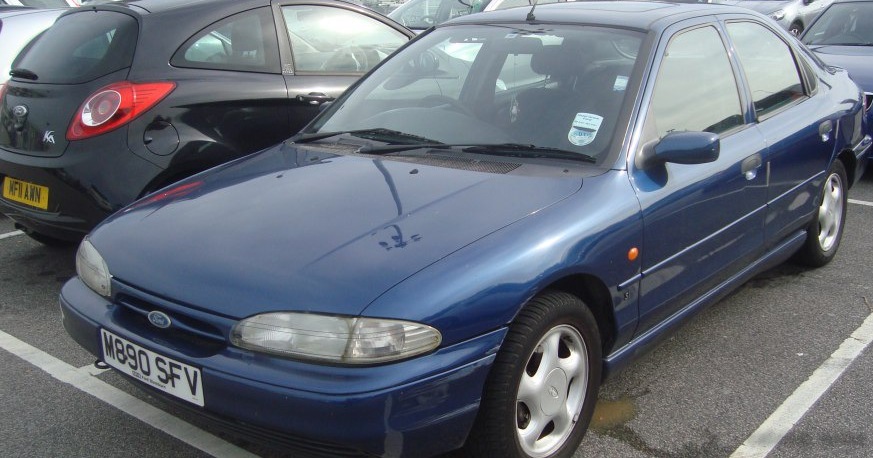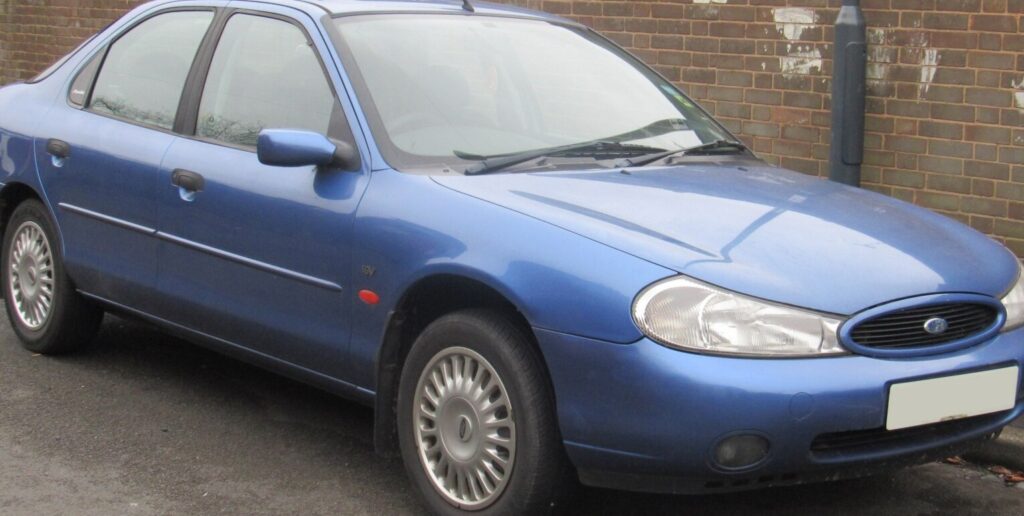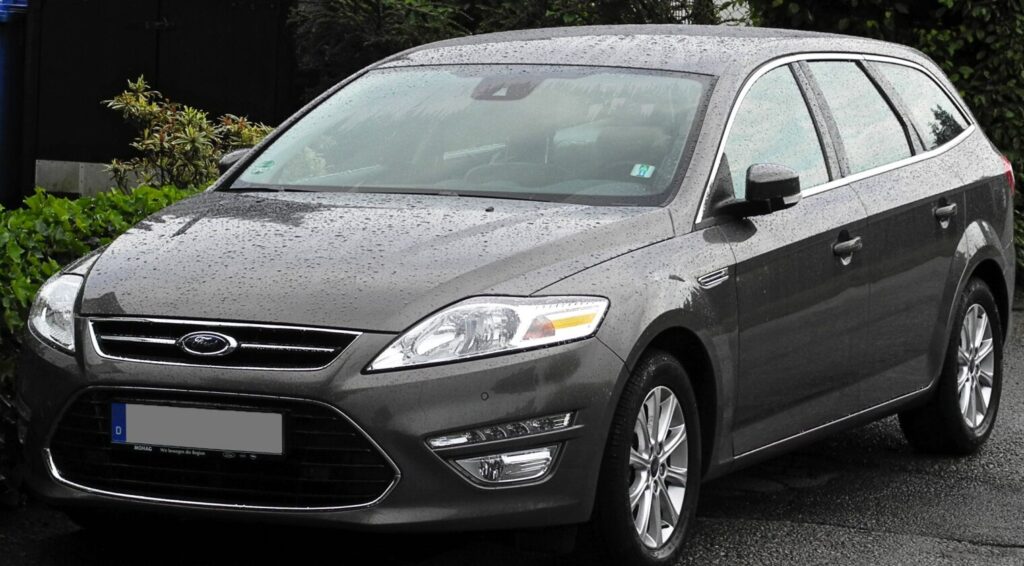
The Ford Mondeo III Wagon, specifically the 2.0 TDCI variant produced from 2010 to 2014, represented a mid-cycle refresh of the third-generation Mondeo (code-named B5Y). This facelift brought updated styling, improved interior materials, and advancements in engine technology. The 2.0 TDCI 140 horsepower model occupied a central position in the Mondeo Wagon lineup, offering a balance between fuel efficiency, performance, and practicality, aimed at families and drivers prioritizing economy without sacrificing space. It was positioned above the lower-powered diesel options and below the more potent 2.2-liter TDCi and gasoline-powered variants.
The powertrain of the 2010-2014 Mondeo Wagon 2.0 TDCI centers around the Ford Duratorq engine family. Specifically, it utilizes the UFBA engine code, a 1997cc inline-four cylinder diesel engine. This engine features common-rail direct fuel injection, delivering fuel at extremely high pressure for optimized combustion. A turbocharger with an intercooler is employed to increase power output and improve torque across a wider RPM range. The engine boasts 140 hp at 3750 rpm and 320 Nm (236 lb-ft) of torque between 1750 and 2750 rpm. This configuration was paired with a six-speed manual transmission, providing a good balance of fuel economy and driver control. The engine’s design incorporated a diesel particulate filter (DPF) to meet stringent Euro 5 emission standards.
In real-world driving, the 2.0 TDCI 140 hp Mondeo Wagon offered a comfortable and capable experience. Acceleration from 0 to 62 mph (0-100 km/h) took approximately 9.8 seconds, and it achieved a top speed of 127.38 mph (205 km/h). While not a performance-oriented model, the engine provided sufficient power for everyday driving, including highway cruising and carrying a full load of passengers and luggage. The six-speed manual transmission allowed drivers to keep the engine in its optimal torque band, resulting in responsive acceleration. Compared to the higher-output 2.2 TDCi, the 2.0 TDCI felt less urgent, but it offered superior fuel economy. The manual gearbox provided more driver engagement than the optional automatic transmission available on other Mondeo trims.
The 2010-2014 Mondeo Wagon 2.0 TDCI typically came equipped with a reasonable level of standard features. These included air conditioning, power windows, power mirrors, a CD/radio system, and alloy wheels. Interior upholstery was generally cloth, although leather options were available as upgrades. Trim levels varied by market, but generally offered progressively more features such as automatic climate control, parking sensors, and upgraded audio systems. Optional extras included a sunroof, navigation system, and heated front seats. The wagon body style itself provided a generous 489 liters (17.27 cu ft) of boot space with the rear seats up, expanding to 1680 liters (59.33 cu ft) with the seats folded down.
The Mondeo Wagon’s chassis featured independent suspension all around – McPherson struts at the front and a multi-link setup at the rear – providing a comfortable ride and good handling characteristics. Front brakes were ventilated discs, while rear brakes were solid discs. Anti-lock Braking System (ABS) was standard. The steering utilized a rack and pinion system. The vehicle rode on 205/55 R16 tires mounted on 6.5J x 16 inch alloy wheels. Stabilizer bars were fitted to both the front and rear axles to reduce body roll during cornering.
Critics generally praised the 2.0 TDCI Mondeo Wagon for its fuel efficiency and practicality. Fuel economy figures were rated at approximately 44.4 US mpg (53.3 UK mpg) on the combined cycle, with 36.8 US mpg (44.1 UK mpg) in urban conditions and 51.1 US mpg (61.4 UK mpg) on the extra-urban cycle. Compared to the 2.2 TDCi, the 2.0 TDCI offered a noticeable improvement in fuel economy, making it an attractive option for high-mileage drivers. Reliability was generally good, although, like all diesel vehicles, the DPF could require maintenance over time. The 2.0 TDCI engine proved to be durable and relatively straightforward to maintain.
| Brand | Ford |
| Model | Mondeo |
| Generation | Mondeo III Wagon (facelift 2010) |
| Type (Engine) | 2.0 TDCI (140 Hp) Duratorq |
| Start of production | 2010 |
| End of production | 2014 |
| Fuel consumption (urban) | 6.4 l/100 km (36.8 US mpg) |
| Fuel consumption (extra urban) | 4.6 l/100 km (51.1 US mpg) |
| Fuel consumption (combined) | 5.3 l/100 km (44.4 US mpg) |
| CO2 emissions | 139 g/km |
| Fuel Type | Diesel |
| Acceleration 0 – 100 km/h | 9.8 sec |
| Acceleration 0 – 62 mph | 9.8 sec |
| Maximum speed | 205 km/h (127.38 mph) |
| Engine Code | UFBA |
| Engine displacement | 1997 cm3 (121.86 cu. in.) |
| Number of cylinders | 4 |
| Power | 140 Hp @ 3750 rpm |
| Torque | 320 Nm @ 1750-2750 rpm (236.02 lb.-ft.) |
| Kerb Weight | 1575 kg (3472.28 lbs.) |
| Max. weight | 2290 kg (5048.59 lbs.) |
| Trunk (boot) space (min) | 489 l (17.27 cu. ft.) |
| Trunk (boot) space (max) | 1680 l (59.33 cu. ft.) |
| Number of gears | 6 |
| Gearbox type | Manual |
Today, the 2010-2014 Ford Mondeo Wagon 2.0 TDCI remains a popular choice in the used car market, particularly for those seeking a spacious, economical, and reliable estate car. The Duratorq engine, while requiring regular maintenance (especially concerning the DPF), is known for its longevity. These models represent good value for money, offering a practical and comfortable driving experience. However, potential buyers should be aware of the potential costs associated with DPF maintenance and ensure the vehicle has been properly serviced throughout its life.