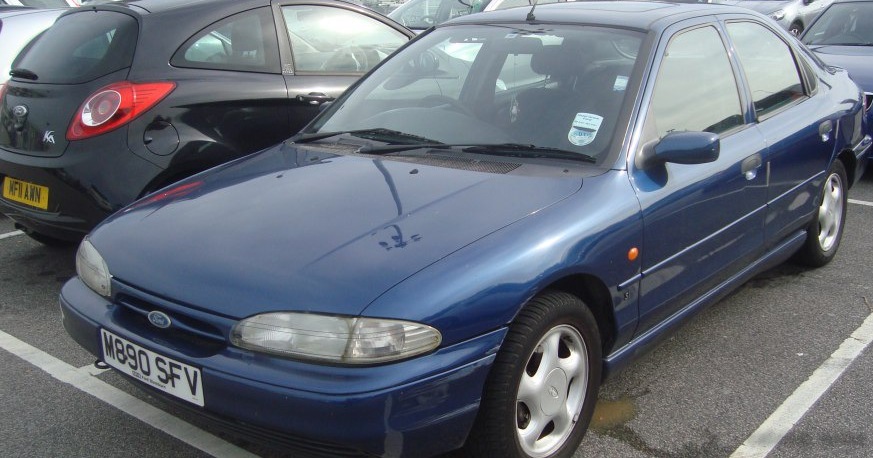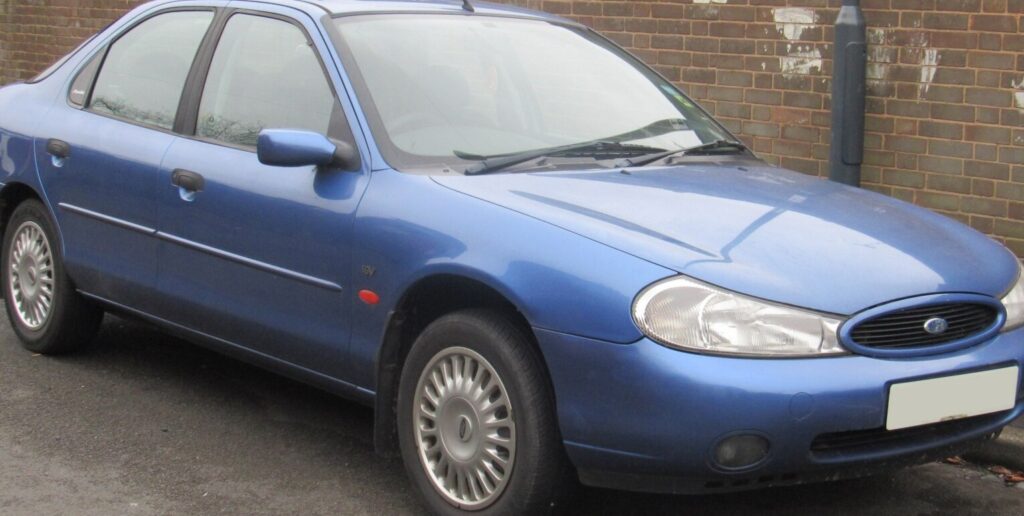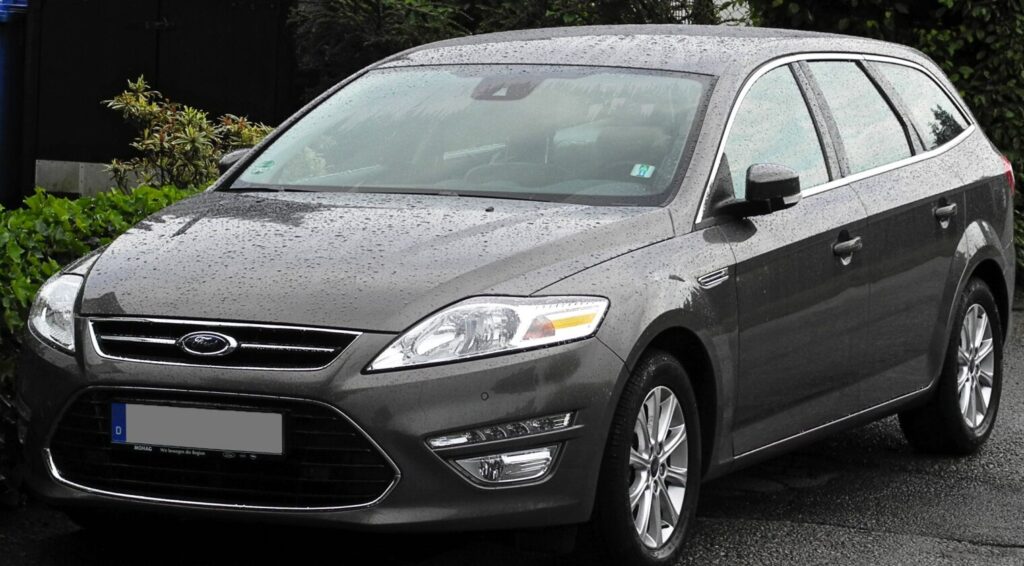
The Ford Mondeo III Wagon, specifically the facelifted version produced from 2010 to 2014, represented a significant evolution of Ford’s mid-size family car. Within the Mondeo III range (internally designated as the B5Y platform), the 2.0 TDCI 163 horsepower variant with a manual transmission occupied a central position, offering a balance between fuel efficiency, performance, and practicality. This model aimed to appeal to buyers seeking a versatile vehicle suitable for both daily commuting and long-distance travel, particularly those prioritizing diesel economy and a spacious interior. The facelift brought revised styling, improved interior materials, and updated technology compared to the pre-2010 models.
2.0 TDCI Duratorq Powertrain & Engine Architecture
The heart of this Mondeo variant is the 2.0-liter Duratorq TDCi diesel engine, bearing the engine code TXBA. This engine is a four-cylinder, inline configuration, utilizing common-rail direct fuel injection. The Duratorq engine family was known for its robust construction and relatively straightforward maintenance. The TXBA version featured a turbocharger with an intercooler, boosting power output to 163 hp (122 kW) at 3750 rpm and 340 Nm (250.77 lb-ft) of torque between 2000 and 3250 rpm. This torque curve provided strong pulling power across a wide rev range, making it well-suited for hauling passengers and cargo.
The fuel injection system employed a high-pressure common rail, allowing for precise fuel delivery and optimized combustion. The engine also incorporated a diesel particulate filter (DPF) to reduce emissions, complying with Euro 5 standards. The valvetrain consisted of four valves per cylinder, contributing to improved breathing and overall engine efficiency. The engine’s displacement is 1997 cm³ (121.86 cu. in.), with a bore of 85 mm (3.35 in.) and a stroke of 88 mm (3.46 in.). Compression ratio is rated at 17.9:1. The engine oil capacity is 5.5 liters (5.81 US qt / 4.84 UK qt), and the coolant capacity is 8.1 liters (8.56 US qt / 7.13 UK qt).
The transmission paired with the 2.0 TDCI engine in this variant is a six-speed manual gearbox. This transmission was chosen for its efficiency and driver engagement, offering precise gear changes and contributing to the vehicle’s overall fuel economy. The gear ratios were tuned to maximize both acceleration and cruising efficiency.
Comparison with Other Mondeo III Engines
Compared to the gasoline-powered Mondeo variants, the 2.0 TDCI offered significantly better fuel economy and torque. While the gasoline engines provided a more responsive and refined driving experience, they lacked the low-end grunt and efficiency of the diesel. Against other diesel options within the Mondeo III range, such as the 2.2-liter TDCi, the 2.0 TDCI offered a good compromise. The 2.2-liter engine delivered more power, but at the cost of increased fuel consumption and potentially higher maintenance costs. The 2.0 TDCI was positioned as the sensible choice for drivers prioritizing practicality and economy.
Driving Characteristics
The 2.0 TDCI Mondeo Wagon provided a comfortable and capable driving experience. Acceleration from 0 to 100 km/h (0-62 mph) took approximately 9.1 seconds, while 0-60 mph was achieved in around 8.6 seconds. Top speed was rated at 215 km/h (133.59 mph). The engine’s strong torque output meant that overtaking maneuvers were executed with ease, even when the vehicle was fully loaded. The six-speed manual transmission allowed drivers to keep the engine in its optimal power band, maximizing efficiency and responsiveness. The suspension, tuned for comfort, absorbed bumps and imperfections in the road surface effectively, providing a smooth ride for both driver and passengers. While not a sports car, the Mondeo Wagon offered a confident and stable handling experience.
Equipment & Trim Levels
The 2.0 TDCI Mondeo Wagon was typically offered in mid-range trim levels, such as LX, Zetec, and Titanium. Standard equipment generally included air conditioning, power windows, power mirrors, a CD/radio system, and ABS brakes. Zetec trims added features like alloy wheels, front fog lights, and a multi-function steering wheel. The higher-specification Titanium trim offered even more luxurious appointments, such as leather upholstery, automatic climate control, and a premium sound system. Optional extras included satellite navigation, parking sensors, and a sunroof. Interior upholstery was typically cloth, with higher trims offering partial or full leather options. The dashboard layout was functional and user-friendly, with clear instrumentation and logically placed controls.
Chassis & Braking
The Mondeo III Wagon featured independent suspension on both the front and rear axles. The front suspension utilized a McPherson strut design with coil springs and an anti-roll bar, while the rear suspension employed a multi-link setup, also with a stabilizer bar. This configuration provided a good balance between ride comfort and handling stability. The braking system consisted of ventilated discs on the front wheels and discs on the rear wheels. ABS (Anti-lock Braking System) was standard, enhancing braking performance and safety. The steering system was a rack and pinion type, providing precise and responsive steering feel. The standard tire size was 205/55 R16, mounted on 6.5J x 16 inch wheel rims.
Market Reception & Comparison
The Ford Mondeo III Wagon 2.0 TDCI was generally well-received by automotive critics. It was praised for its spacious interior, comfortable ride, and fuel-efficient engine. The diesel engine was considered a strong performer, offering ample torque for everyday driving. However, some critics noted that the interior materials, while improved in the facelifted model, still lagged behind some of its competitors. In terms of fuel economy, the 2.0 TDCI Mondeo Wagon achieved approximately 6.4 l/100 km (36.8 US mpg / 44.1 UK mpg) in urban driving, 4.6 l/100 km (51.1 US mpg / 61.4 UK mpg) on the extra-urban cycle, and 5.3 l/100 km (44.4 US mpg / 53.3 UK mpg) combined. CO2 emissions were rated at 139 g/km. Compared to other vehicles in its class, such as the Volkswagen Passat and Opel/Vauxhall Insignia, the Mondeo offered a competitive package in terms of price, space, and equipment.
Technical Specifications
| Brand | Ford |
| Model | Mondeo |
| Generation | Mondeo III Wagon (facelift 2010) |
| Type (Engine) | 2.0 TDCI (163 Hp) Duratorq |
| Start of production | 2010 |
| End of production | 2014 |
| Powertrain Architecture | Internal Combustion engine |
| Body type | Station wagon (estate) |
| Seats | 5 |
| Doors | 5 |
| Fuel consumption (urban) | 6.4 l/100 km (36.8 US mpg / 44.1 UK mpg) |
| Fuel consumption (extra urban) | 4.6 l/100 km (51.1 US mpg / 61.4 UK mpg) |
| Fuel consumption (combined) | 5.3 l/100 km (44.4 US mpg / 53.3 UK mpg) |
| CO2 emissions | 139 g/km |
| Fuel Type | Diesel |
| Acceleration 0 – 100 km/h | 9.1 sec |
| Acceleration 0 – 62 mph | 9.1 sec |
| Acceleration 0 – 60 mph | 8.6 sec |
| Maximum speed | 215 km/h (133.59 mph) |
| Emission standard | Euro 5 |
| Weight-to-power ratio | 9.7 kg/Hp |
| Weight-to-torque ratio | 4.6 kg/Nm |
| Power | 163 Hp @ 3750 rpm |
| Torque | 340 Nm @ 2000-3250 rpm (250.77 lb.-ft.) |
| Engine layout | Front, Transverse |
| Engine Model/Code | TXBA |
| Engine displacement | 1997 cm3 (121.86 cu. in.) |
| Number of cylinders | 4 |
| Engine configuration | Inline |
| Cylinder Bore | 85 mm (3.35 in.) |
| Piston Stroke | 88 mm (3.46 in.) |
| Compression ratio | 17.9:1 |
| Number of valves per cylinder | 4 |
| Fuel injection system | Diesel Commonrail |
| Engine aspiration | Turbocharger, Intercooler |
| Engine oil capacity | 5.5 l (5.81 US qt / 4.84 UK qt) |
| Coolant capacity | 8.1 l (8.56 US qt / 7.13 UK qt) |
| Kerb Weight | 1575 kg (3472.28 lbs.) |
| Max. weight | 2290 kg (5048.59 lbs.) |
| Trunk (boot) space – minimum | 489 l (17.27 cu. ft.) |
| Trunk (boot) space – maximum | 1680 l (59.33 cu. ft.) |
| Length | 4837 mm (190.43 in.) |
| Width | 1886 mm (74.25 in.) |
| Height | 1512 mm (59.53 in.) |
| Wheelbase | 2850 mm (112.2 in.) |
| Number of gears | 6 |
| Gearbox type | Manual transmission |
Legacy
The 2.0 TDCI Duratorq engine, as fitted to the Mondeo III Wagon, proved to be a reliable and durable powertrain. While the DPF could require maintenance or eventual replacement, the engine itself was generally robust. On the used car market, these Mondeo Wagons represent good value for money, offering a practical and economical option for families and individuals. The 2.0 TDCI engine’s fuel efficiency and relatively low running costs continue to make it an attractive choice for buyers seeking a dependable and affordable estate car. However, potential buyers should be aware of the importance of regular maintenance, particularly regarding the DPF and timing belt replacement, to ensure long-term reliability.