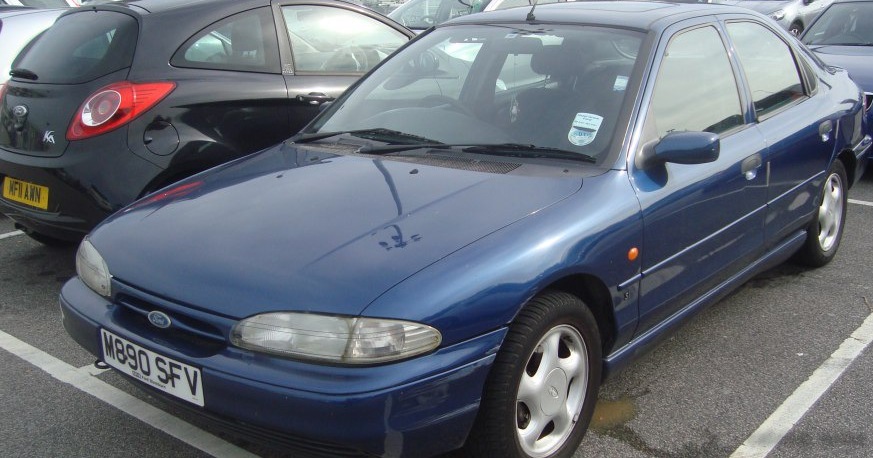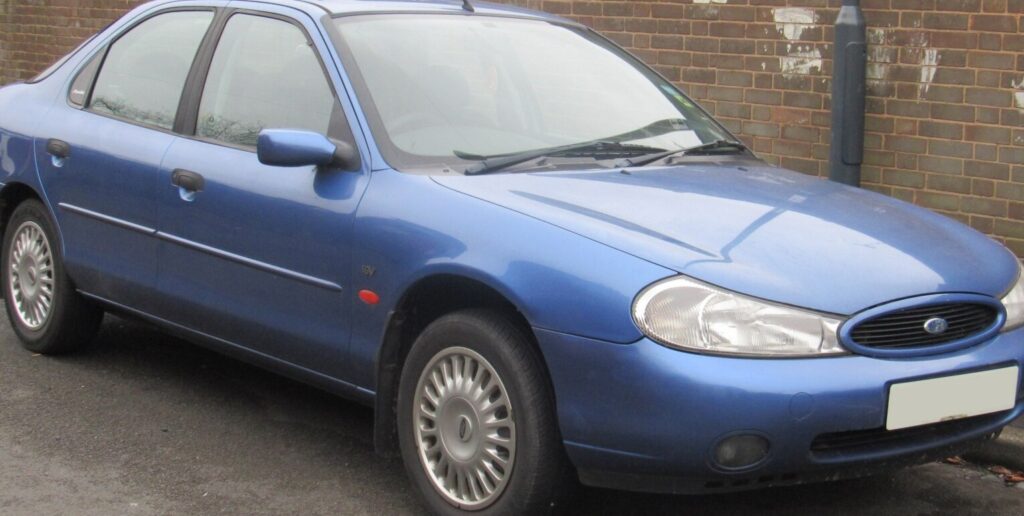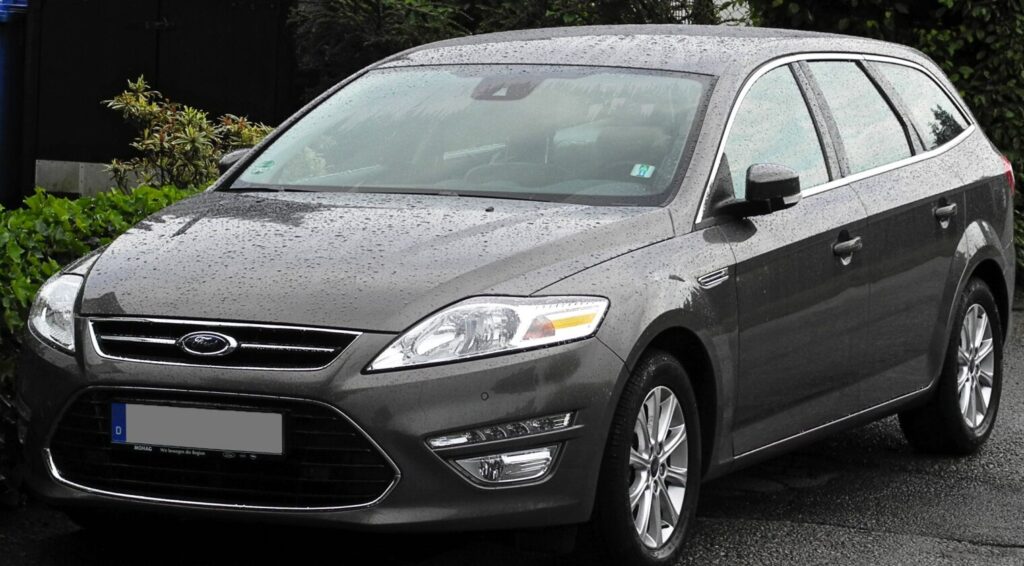
The Ford Mondeo III Wagon, specifically the facelifted version produced from 2010 to 2014, represented a significant evolution of Ford’s mid-size family car. Within the Mondeo III range (internally designated as the 1HX0/A3 platform), the 2.0 TDCI 163 horsepower variant with the PowerShift dual-clutch transmission occupied a middle ground, offering a balance between fuel efficiency, performance, and equipment. This model aimed to appeal to buyers needing a practical, spacious wagon with reasonable running costs and a more refined driving experience than the base models.
The 2.0 TDCI PowerShift Mondeo Wagon: A Detailed Overview
Introduced as part of the 2010 facelift, the 2.0 TDCI PowerShift Mondeo Wagon combined a modern turbodiesel engine with Ford’s then-new six-speed dual-clutch transmission (PowerShift). This pairing was designed to deliver improved fuel economy and reduced emissions compared to older automatic transmissions, while also providing quicker and smoother gear changes. The facelift also brought cosmetic updates to the exterior and interior, enhancing the Mondeo’s overall appeal.
Powertrain & Engine Architecture
The heart of this Mondeo variant is the 2.0-liter Duratorq TDCi diesel engine, specifically the TXBA engine code. This engine is a four-cylinder, inline configuration, utilizing common-rail direct fuel injection and a variable geometry turbocharger with an intercooler. The Duratorq engine family was known for its robust construction and relatively straightforward maintenance. The 163 horsepower output is achieved at 3750 rpm, while peak torque of 340 Nm (250.77 lb-ft) is available between 2000 and 3250 rpm. This broad torque curve provides good responsiveness in everyday driving situations.
The PowerShift transmission is a six-speed, wet dual-clutch transmission (DCT). It operates similarly to a manual transmission but utilizes two separate clutches for odd and even gears, allowing for seamless and rapid gear changes. This system offers both fully automatic operation and the ability for the driver to manually select gears via the gear selector or steering wheel-mounted paddles (depending on trim level). The PowerShift transmission was intended to provide the efficiency of a manual gearbox with the convenience of an automatic.
Driving Characteristics
The 2.0 TDCI PowerShift Mondeo Wagon delivers a comfortable and refined driving experience. The engine provides ample torque for relaxed cruising and overtaking, although it doesn’t offer the outright acceleration of the higher-powered variants like the 2.2-liter TDCi. The PowerShift transmission contributes to smooth gear changes, particularly during normal driving. However, some drivers have reported occasional hesitation or jerkiness at low speeds, a characteristic sometimes associated with early iterations of the PowerShift system.
Compared to the six-speed manual transmission available on other Mondeo models, the PowerShift offers greater convenience, especially in urban traffic. However, the manual transmission generally provides slightly better fuel economy and a more direct connection to the engine. The 0-100 km/h (0-62 mph) acceleration time of 9.8 seconds is respectable for a family wagon, and the top speed of 210 km/h (130.49 mph) is more than sufficient for most driving situations.
Equipment & Trim Levels
The 2.0 TDCI PowerShift Mondeo Wagon was typically offered in mid-range trim levels, such as Zetec or Titanium. Standard equipment generally included air conditioning, power windows, power mirrors, a CD/radio system with auxiliary input, and alloy wheels. Higher trim levels, like the Titanium, added features such as automatic climate control, heated front seats, a premium audio system, and parking sensors. Optional extras included leather upholstery, a sunroof, and a navigation system.
Interior upholstery was typically cloth on the Zetec trim, with leather options available on the Titanium. The dashboard layout was functional and well-designed, with clear instrumentation and logically placed controls. The wagon body style provided a generous amount of cargo space, with 489 liters (17.27 cu ft) with the rear seats up and 1680 liters (59.33 cu ft) with the rear seats folded down.
Chassis & Braking
The Mondeo III Wagon featured independent suspension on both the front and rear axles. The front suspension utilized a McPherson strut design with coil springs and an anti-roll bar, while the rear suspension employed a multi-link setup, also with coil springs and a stabilizer bar. This suspension configuration provided a good balance between ride comfort and handling. The steering was a rack and pinion system, offering precise and responsive control.
Braking duties were handled by ventilated discs on the front wheels and solid discs on the rear wheels. The system was equipped with ABS (Anti-lock Braking System) as standard. The 205/55 R16 tires provided adequate grip in most conditions. The weight distribution was reasonably balanced, contributing to stable handling characteristics.
Market Reception & Comparison
The 2.0 TDCI PowerShift Mondeo Wagon was generally well-received by automotive critics. It was praised for its fuel efficiency, comfortable ride, and spacious interior. The PowerShift transmission was seen as a positive addition, although some reviewers noted its occasional quirks. Compared to the 1.6 TDCI models, the 2.0 TDCI offered noticeably more performance. In contrast to the 2.2 TDCI variants, it provided a more affordable entry point while still delivering a respectable driving experience.
Fuel economy figures were competitive for its class, with combined fuel consumption of 5.6 l/100 km (42 US mpg, 50.4 UK mpg). CO2 emissions were rated at 149 g/km, placing it within the Euro 5 emission standard. Reliability was generally good, although the PowerShift transmission did experience some reported issues in early production years, primarily related to clutch wear and software glitches.
Technical Specifications
| Engine Type | 2.0-liter Duratorq TDCi Inline-4 |
| Engine Code | TXBA |
| Displacement | 1997 cm³ (121.86 cu in) |
| Power Output | 163 hp @ 3750 rpm |
| Torque Output | 340 Nm (250.77 lb-ft) @ 2000-3250 rpm |
| Fuel Injection | Diesel Commonrail |
| Turbocharger | Variable Geometry Turbo with Intercooler |
| Transmission | 6-speed PowerShift Dual-Clutch Automatic |
| Drive Wheels | Front Wheel Drive |
| Acceleration 0-100 km/h | 9.8 seconds |
| Top Speed | 210 km/h (130.49 mph) |
| Fuel Consumption (Combined) | 5.6 l/100 km (42 US mpg, 50.4 UK mpg) |
| CO2 Emissions | 149 g/km |
| Kerb Weight | 1592 kg (3509.76 lbs) |
| Fuel Tank Capacity | 70 liters (18.5 gallons) |
Legacy
The 2.0 TDCI PowerShift Mondeo Wagon remains a popular choice in the used car market. Its combination of practicality, fuel efficiency, and reasonable performance makes it an attractive option for families and individuals seeking a versatile vehicle. While the PowerShift transmission requires careful consideration due to potential reliability concerns, well-maintained examples can provide years of reliable service. The Duratorq engine is known for its durability, and parts availability is generally good. The Mondeo III Wagon, in this configuration, represents a solid and dependable choice for those seeking a spacious and economical estate car.