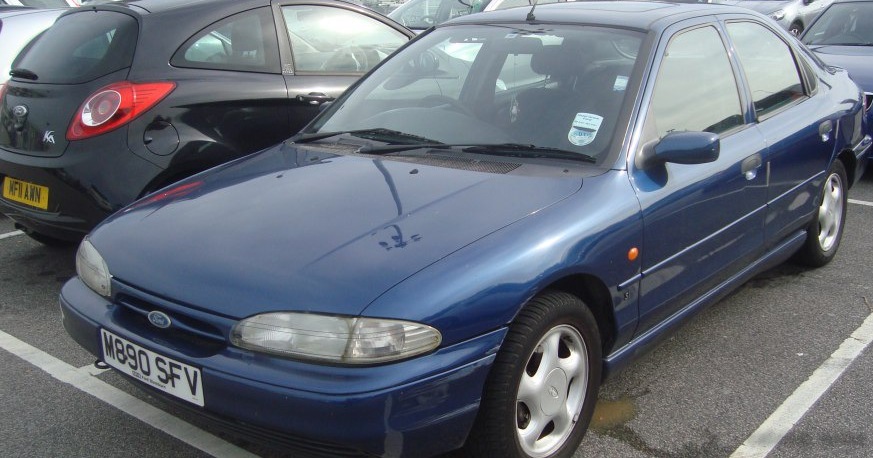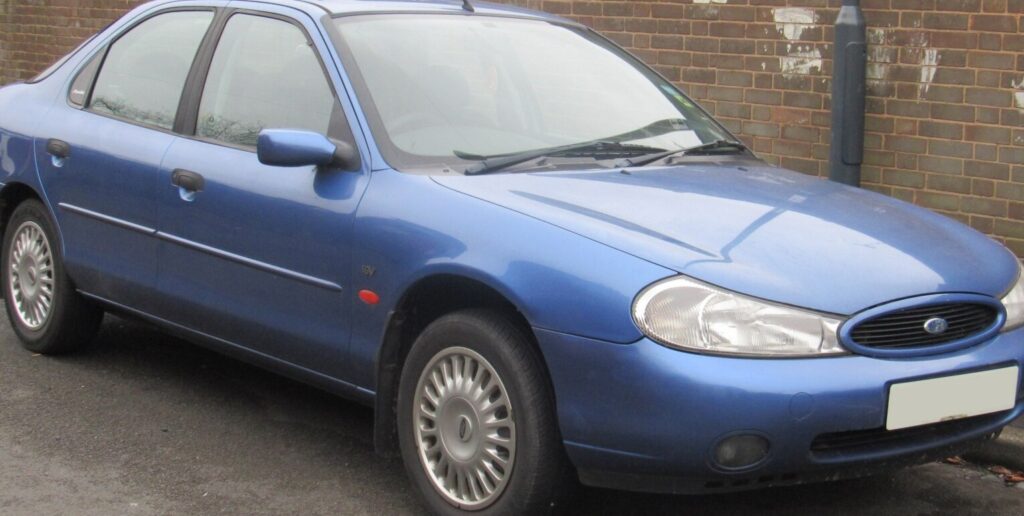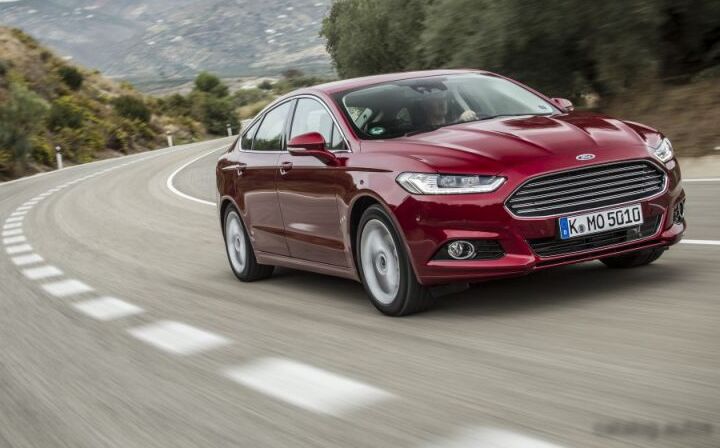
The Ford Mondeo IV Hatchback 2.0 TDCi, producing 150 horsepower, was a significant variant within the fourth generation of Ford’s globally successful Mondeo line. Introduced in 2014 and continuing through 2018, this model represented a blend of fuel efficiency, practicality, and moderate performance, aimed at buyers seeking a versatile family vehicle. It was positioned as a mid-range offering within the Mondeo IV Hatchback lineup, slotting between the lower-powered diesel variants and the higher-performance gasoline options. The Mondeo IV, built on the CD390 platform (internally designated as the 1HX0 for hatchback versions), aimed to improve upon its predecessor with enhanced refinement, technology, and a more contemporary design.
Powertrain & Engine Architecture
The heart of the Mondeo IV 2.0 TDCi (150 hp) is the Ford T7CE diesel engine. This is a 1997 cc (121.86 cubic inches) inline four-cylinder engine, utilizing a common-rail direct fuel injection system. The T7CE engine is part of Ford’s Duratorq family, known for its robust construction and relatively good fuel economy. The engine features a turbocharger with an intercooler, boosting power output and improving torque delivery. The valvetrain employs a double overhead camshaft (DOHC) configuration with four valves per cylinder, optimizing gas flow for increased efficiency and power.
The 150 horsepower peak is achieved at 3500 rpm, while the maximum torque of 350 Nm (258.15 lb-ft) is available between 2000 and 2500 rpm. This broad torque curve provides good responsiveness in everyday driving situations. The engine boasts a compression ratio of 16.7:1, contributing to its efficiency. Engine oil capacity is 6.1 liters (6.45 US quarts / 5.37 UK quarts), and the recommended oil specification is crucial for maintaining engine health. The engine also incorporates a diesel particulate filter (DPF) to reduce harmful emissions, meeting Euro 6 standards.
Transmission
The 2.0 TDCi 150 hp Mondeo IV Hatchback was primarily equipped with a 6-speed manual transmission. This gearbox was chosen to balance fuel economy with driver engagement. The gear ratios were tuned to maximize the engine’s torque output, providing adequate acceleration and cruising ability. While an automatic transmission was available on some Mondeo IV models, it was less common with this specific engine configuration. The manual transmission’s shift quality was generally well-regarded, offering a precise and relatively short throw.
Driving Characteristics
The driving experience in the Mondeo IV 2.0 TDCi 150 hp is characterized by a good balance of comfort and control. The engine delivers sufficient power for typical driving scenarios, including highway cruising and overtaking. Acceleration from 0 to 100 km/h (0-62 mph) takes approximately 9.3 seconds, and 0-60 mph is achieved in around 8.8 seconds. While not a particularly sporty performer, the 2.0 TDCi offers adequate performance for most drivers. The broad torque band makes it easy to maintain speed on inclines and execute passing maneuvers without excessive downshifting.
Compared to the lower-powered diesel variants, the 150 hp version provides a noticeable improvement in acceleration and overall responsiveness. However, it doesn’t match the performance of the higher-output gasoline engines, such as the 2.0 EcoBoost. The manual transmission allows for greater driver control, while the well-tuned suspension contributes to a comfortable ride quality. The steering is precise and provides good feedback, enhancing the overall driving experience.
Equipment & Trim Levels
The Mondeo IV 2.0 TDCi 150 hp typically came with a respectable level of standard equipment. Base models included air conditioning, power windows, power mirrors, a basic audio system, and steel wheels. Higher trim levels, such as Zetec and Titanium, added features like alloy wheels, a more advanced infotainment system with touchscreen display, Bluetooth connectivity, cruise control, automatic headlights and rain-sensing wipers, and upgraded interior upholstery. Optional extras included a panoramic sunroof, leather seats, a premium sound system, and advanced driver-assistance systems like lane departure warning and adaptive cruise control. Interior upholstery generally consisted of cloth on lower trims, with leather options available on higher-spec models. The dashboard layout was modern and functional, with a focus on ergonomics and ease of use.
Chassis & Braking
The Mondeo IV Hatchback features an independent suspension system on both the front and rear axles. The front suspension utilizes a McPherson strut design with coil springs and an anti-roll bar, while the rear suspension employs a multi-link setup, also with a stabilizer bar. This configuration provides a good balance of ride comfort and handling stability. The braking system consists of ventilated discs on the front wheels and solid discs on the rear. Anti-lock Braking System (ABS) is standard, enhancing safety and control during emergency braking. The steering system is a rack and pinion type, providing precise and responsive steering feel. Typical tire sizes ranged from 215/60 R16 to 235/40 R19, depending on the trim level and wheel size.
Market Reception & Comparison
The Ford Mondeo IV 2.0 TDCi 150 hp was generally well-received by automotive critics. It was praised for its fuel efficiency, comfortable ride, spacious interior, and good value for money. Fuel economy figures were typically around 4.4 l/100 km (53.5 US mpg / 64.2 UK mpg) on the combined cycle, making it an attractive option for drivers seeking to minimize running costs. Compared to the lower-powered diesel variants, the 150 hp version offered a noticeable improvement in performance without significantly compromising fuel economy. However, some critics noted that the interior materials weren’t as premium as those found in some of its competitors. Reliability was generally good, although owners reported occasional issues with the DPF system, a common problem with modern diesel engines.
Technical Specifications
| Brand | Ford |
| Model | Mondeo |
| Generation | Mondeo IV Hatchback |
| Type (Engine) | 2.0 TDCi (150 Hp) |
| Start of production | 2014 |
| End of production | 2018 |
| Fuel consumption (urban) | 5.1 l/100 km (46.1 US mpg) |
| Fuel consumption (extra urban) | 4 l/100 km (58.8 US mpg) |
| Fuel consumption (combined) | 4.4 l/100 km (53.5 US mpg) |
| CO2 emissions | 115 g/km |
| Fuel Type | Diesel |
| Acceleration 0 – 100 km/h | 9.3 sec |
| Acceleration 0 – 62 mph | 9.3 sec |
| Acceleration 0 – 60 mph | 8.8 sec |
| Maximum speed | 215 km/h (133.59 mph) |
| Emission standard | Euro 6 |
| Power | 150 Hp @ 3500 rpm |
| Torque | 350 Nm @ 2000-2500 rpm (258.15 lb.-ft.) |
| Engine displacement | 1997 cm3 (121.86 cu. in.) |
| Number of cylinders | 4 |
| Kerb Weight | 1578 kg (3478.89 lbs.) |
| Max. weight | 2260 kg (4982.45 lbs.) |
| Trunk (boot) space – minimum | 458 l (16.17 cu. ft.) |
| Trunk (boot) space – maximum | 1356 l (47.89 cu. ft.) |
| Fuel tank capacity | 62.5 l (16.51 US gal) |
| Length | 4871 mm (191.77 in.) |
| Width | 1852 mm (72.91 in.) |
| Height | 1482 mm (58.35 in.) |
| Number of gears | 6 (manual) |
Legacy
The Ford Mondeo IV 2.0 TDCi 150 hp remains a popular choice in the used car market. Its combination of fuel efficiency, practicality, and reasonable performance makes it an appealing option for families and commuters. The Duratorq engine, while not without its potential issues (particularly related to the DPF), is generally considered to be reliable if properly maintained. Parts availability is good, and maintenance costs are relatively affordable. However, prospective buyers should be aware of the potential for DPF problems and ensure that the vehicle has been regularly serviced. The Mondeo IV, in general, cemented the model’s reputation as a well-rounded and capable family car, and the 2.0 TDCi 150 hp variant played a significant role in its success.