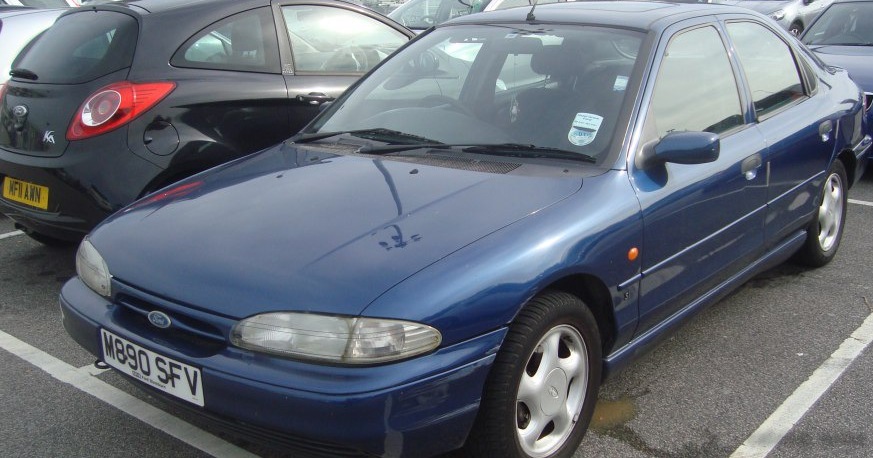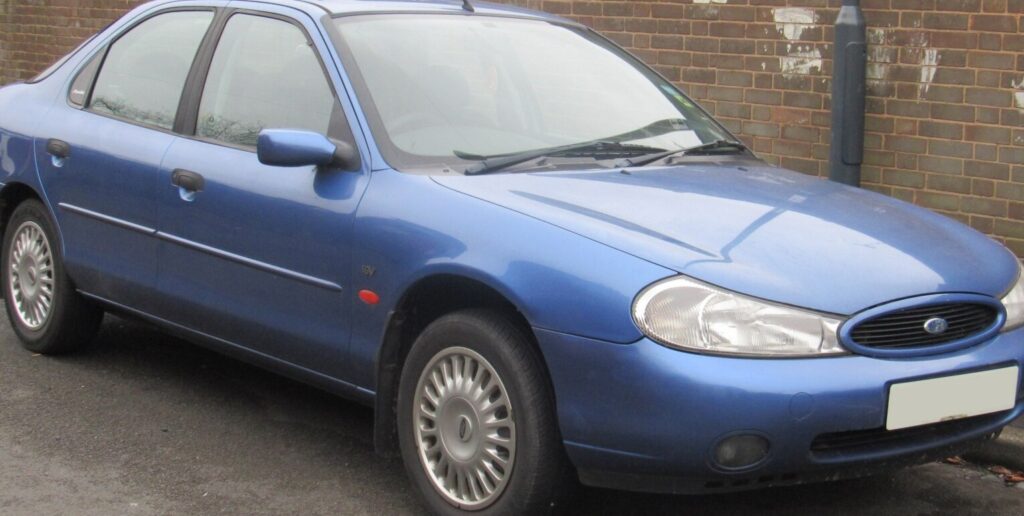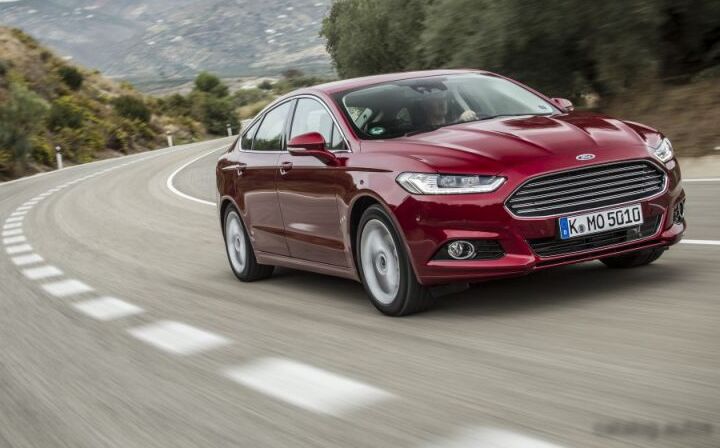
The Ford Mondeo IV Hatchback 2.0 TDCi, producing 180 horsepower, was a significant variant within the fourth generation of Ford’s globally recognized Mondeo line. Introduced in 2014 and continuing through the 2018 model year, this version represented a compelling blend of fuel efficiency, performance, and practicality, aimed at buyers seeking a refined and capable family vehicle. The Mondeo IV, built on the CD2 platform (internally designated as the 1HX0 for hatchback versions), aimed to elevate Ford’s presence in the mid-size segment, competing with established rivals like the Volkswagen Passat, Opel/Vauxhall Insignia, and Mazda 6. The 2.0 TDCi 180 hp model occupied a mid-to-upper position in the Mondeo IV hatchback lineup, offering a step up in power and refinement compared to lower-powered diesel options, while remaining more accessible than the flagship petrol engines.
Powertrain & Engine Architecture
The heart of the Mondeo IV 2.0 TDCi 180 is the Ford T8CC engine, a 1997cc inline four-cylinder diesel. This engine is a member of Ford’s Duratorq family, known for its robust construction and relatively straightforward maintenance. The T8CC utilizes a common rail direct injection system, delivering fuel at extremely high pressure for optimized combustion and reduced emissions. The system employed piezo injectors for precise fuel metering and control. The engine features a single turbocharger with an intercooler, boosting power output and improving torque delivery. The valvetrain is a double overhead camshaft (DOHC) design with four valves per cylinder, contributing to efficient gas exchange and enhanced performance.
The 2.0 TDCi 180 was typically paired with a six-speed manual transmission, although a six-speed automatic transmission (specifically the 6F35) was also available as an option. The automatic transmission offered smooth shifts and convenience, but generally resulted in a slight decrease in fuel economy compared to the manual. The transmission was electronically controlled, adapting shift patterns based on driving conditions and driver input. The engine’s layout is front-transverse, meaning it’s mounted sideways in the engine bay, driving the front wheels.
Engine Specifications
The T8CC engine in this configuration produced 180 hp (134 kW) at 3500 rpm and a substantial 350 Nm (258.15 lb-ft) of torque between 2000 and 2500 rpm. This torque output provided strong acceleration and effortless cruising, making it well-suited for long-distance journeys and overtaking maneuvers. The compression ratio was relatively high at 16.7:1, contributing to the engine’s efficiency. The engine also incorporated a diesel particulate filter (DPF) to reduce harmful emissions, complying with Euro 6 emission standards.
Driving Characteristics
The Mondeo IV 2.0 TDCi 180 offered a refined and comfortable driving experience. The engine provided ample power for everyday driving, with strong low-end torque making it responsive in urban environments. Acceleration from 0-62 mph (0-100 km/h) took approximately 8.3 seconds, a respectable figure for a mid-size family hatchback. The six-speed manual transmission allowed for precise gear selection and driver engagement, while the optional automatic provided seamless shifting. The gear ratios were tuned to balance acceleration and fuel economy, with a relatively tall sixth gear for efficient highway cruising. Compared to the lower-powered 1.6 TDCi versions, the 2.0 TDCi 180 felt significantly more capable and less strained, particularly when fully loaded or tackling inclines. While not as sporty as the petrol-powered Mondeos, the 2.0 TDCi 180 offered a good balance of performance and practicality.
Equipment & Trim Levels
The Mondeo IV 2.0 TDCi 180 was typically offered in higher trim levels, such as Zetec, Titanium, and Titanium X. Standard equipment generally included air conditioning, power windows, power mirrors, a CD/MP3 stereo system, and alloy wheels. Higher trim levels added features like leather upholstery, heated front seats, a premium sound system, a navigation system, and parking sensors. Optional extras included a panoramic sunroof, adaptive cruise control, and automatic headlights and wipers. Interior upholstery varied depending on the trim level, ranging from cloth in the Zetec to leather in the Titanium and Titanium X models. The dashboard layout was modern and functional, with a clear instrument cluster and intuitive controls.
Chassis & Braking
The Mondeo IV featured independent suspension on all four wheels. The front suspension utilized a McPherson strut design with a coil spring and anti-roll bar, while the rear suspension employed a multi-link setup, also with a stabilizer bar. This suspension configuration provided a comfortable ride and good handling characteristics. Braking duties were handled by ventilated discs on the front wheels and solid discs on the rear. The braking system was equipped with ABS (Anti-lock Braking System) and Electronic Stability Control (ESC) as standard, enhancing safety and control. Steering was via a rack and pinion system, providing precise and responsive steering feel. Typical tire sizes ranged from 215/60 R16 to 235/40 R19, depending on the trim level and wheel size.
Market Reception & Comparison
The Ford Mondeo IV 2.0 TDCi 180 received generally positive reviews from automotive critics. It was praised for its comfortable ride, spacious interior, and strong performance. Fuel economy was also a key selling point, with combined fuel consumption figures of around 4.4 l/100 km (53.5 US mpg). Compared to the lower-powered diesel variants, the 2.0 TDCi 180 offered a noticeable improvement in performance, making it a more appealing option for drivers who frequently travel long distances or carry passengers and luggage. Compared to petrol-powered Mondeos, the 2.0 TDCi 180 offered superior fuel economy, although it lacked the same level of outright performance. Reliability was generally good, although some owners reported issues with the DPF system, a common problem with modern diesel engines.
Technical Specifications
| Brand | Ford |
| Model | Mondeo |
| Generation | Mondeo IV Hatchback |
| Type (Engine) | 2.0 TDCi (180 Hp) |
| Start of production | 2014 |
| End of production | 2018 |
| Fuel consumption (urban) | 5.1 l/100 km (46.1 US mpg) |
| Fuel consumption (extra urban) | 4 l/100 km (58.8 US mpg) |
| Fuel consumption (combined) | 4.4 l/100 km (53.5 US mpg) |
| CO2 emissions | 115 g/km |
| Fuel Type | Diesel |
| Acceleration 0 – 100 km/h | 8.3 sec |
| Acceleration 0 – 62 mph | 8.3 sec |
| Maximum speed | 225 km/h (139.81 mph) |
| Engine Displacement | 1997 cm3 (121.86 cu. in.) |
| Power | 180 Hp @ 3500 rpm |
| Torque | 350 Nm @ 2000-2500 rpm (258.15 lb.-ft.) |
| Kerb Weight | 1584 kg (3492.12 lbs.) |
| Max. weight | 2270 kg (5004.49 lbs.) |
| Trunk (boot) space – minimum | 458 l (16.17 cu. ft.) |
| Trunk (boot) space – maximum | 1356 l (47.89 cu. ft.) |
| Fuel tank capacity | 62.5 l (16.51 US gal) |
| Length | 4871 mm (191.77 in.) |
| Width | 1852 mm (72.91 in.) |
| Height | 1482 mm (58.35 in.) |
Legacy
The Ford Mondeo IV 2.0 TDCi 180 remains a popular choice in the used car market, offering a compelling combination of value, practicality, and fuel efficiency. The Duratorq engine, while not without its potential issues (particularly related to the DPF), is generally considered to be reliable and durable when properly maintained. Regular servicing, including oil changes and DPF regeneration, is crucial for ensuring long-term reliability. The availability of spare parts is good, and the Mondeo IV benefits from a large and active owner community. While newer models have since been introduced, the Mondeo IV 2.0 TDCi 180 continues to represent a sensible and well-rounded option for buyers seeking a comfortable and capable family hatchback.