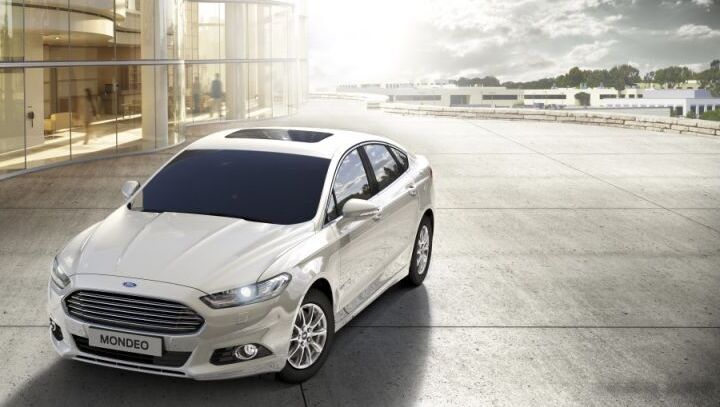
The Ford Mondeo IV Sedan 2.0 EcoBoost (240 hp) Automatic, produced between 2014 and 2018, represented a significant offering within the fourth generation of the globally successful Mondeo line. This variant occupied the upper-mid-range position in the Mondeo IV Sedan lineup, positioned above the lower-powered EcoBoost engines and the diesel options, but below potential performance-focused ST models (where available in certain markets). Built on the Ford CD4 platform (also known as the 1HX0 internally), the 2.0 EcoBoost Automatic aimed to deliver a blend of performance, refinement, and fuel efficiency for buyers seeking a comfortable and capable family sedan.
Powertrain & Engine Architecture
At the heart of the Mondeo IV Sedan 2.0 EcoBoost Automatic lies the Ford R9CB, R9CF, or R9CH engine – all variations of the 2.0-liter turbocharged inline-four cylinder gasoline engine. This engine is a key member of Ford’s EcoBoost family, characterized by direct fuel injection and turbocharging to maximize power and efficiency. The engine boasts a displacement of 1999 cc (121.99 cubic inches) with a bore of 87.5 mm (3.44 inches) and a stroke of 83.1 mm (3.27 inches), resulting in a compression ratio of 10:1. The engine utilizes a double overhead camshaft (DOHC) valvetrain with four valves per cylinder.
The direct fuel injection system, operating at high pressure, precisely meters fuel into the combustion chambers, optimizing combustion and reducing emissions. The turbocharger, coupled with an intercooler, forces more air into the engine, significantly boosting power output. The engine’s oil capacity is 5.4 liters (5.71 US quarts / 4.75 UK quarts), and it requires an oil meeting Ford’s specific specifications. The cooling system holds 8.4 liters (8.88 US quarts / 7.39 UK quarts) of coolant.
The “Automatic” portion of this variant refers to the six-speed automatic transmission (6F35) paired with the engine. This transmission, developed by Ford in collaboration with Getrag, is known for its smooth shifting and responsiveness. Gear ratios are tuned to balance acceleration and fuel economy, with a focus on providing adequate torque for everyday driving situations. The transmission features a torque converter for smooth launches and low-speed operation.
Engine Codes & Variations
The R9CB, R9CF, and R9CH engine codes represent minor variations within the 2.0 EcoBoost family, often related to calibration differences for specific markets or emission standards. While mechanically similar, these variations may exhibit slight differences in power output or fuel efficiency. All versions, however, share the core architecture of direct injection, turbocharging, and DOHC valvetrain.
Driving Characteristics
The 240 hp and 345 Nm (254.46 lb-ft) of torque delivered by the 2.0 EcoBoost engine, combined with the six-speed automatic transmission, provide a noticeably more spirited driving experience compared to the lower-powered Mondeo variants. Acceleration from 0 to 100 km/h (0-62 mph) takes approximately 7.9 seconds, and 0-60 mph is achieved in around 7.5 seconds. Maximum speed is electronically limited to 240 km/h (149.13 mph).
The automatic transmission generally provides smooth and timely gear changes, although it may not be as engaging as a manual transmission for drivers seeking a more direct connection to the engine. The torque curve is relatively flat, providing good responsiveness across a wide range of engine speeds (2300-4900 rpm). In real-world driving, the 2.0 EcoBoost Automatic offers ample power for overtaking maneuvers and highway cruising. Compared to the 1.6 EcoBoost models, the 2.0 provides a substantial increase in performance, while remaining more accessible and fuel-efficient than a potential high-performance ST variant.
Equipment & Trim Levels
The Mondeo IV Sedan 2.0 EcoBoost Automatic typically came equipped with a generous level of standard features. These generally included air conditioning, power windows and mirrors, a multi-function steering wheel, an audio system with USB connectivity, and alloy wheels. Higher trim levels, such as Titanium or Vignale (depending on the market), added features like leather upholstery, heated front seats, a navigation system, a premium sound system, and advanced driver-assistance systems (ADAS) such as adaptive cruise control, lane departure warning, and automatic emergency braking.
Optional extras often included a panoramic sunroof, rear parking sensors, a rear-view camera, and upgraded interior trim materials. The dashboard configuration was generally consistent across the range, featuring a central touchscreen display for infotainment and vehicle settings. Interior upholstery options ranged from cloth to leather, with various color choices available.
Chassis & Braking
The Mondeo IV Sedan 2.0 EcoBoost Automatic utilizes an independent McPherson strut front suspension with a coil spring and anti-roll bar. The rear suspension employs an independent multi-link setup, also with a stabilizer bar. This suspension configuration provides a good balance between ride comfort and handling. The kerb weight of the vehicle is approximately 1562 kg (3443.62 lbs), influencing the suspension tuning and braking performance.
Braking duties are handled by ventilated discs at the front and solid discs at the rear. The vehicle is equipped with an Anti-lock Braking System (ABS) as standard, enhancing braking safety. Steering is rack and pinion, providing precise and responsive control. Typical tire sizes range from 215/60 R16 to 235/40 R19, depending on the trim level and wheel size.
Market Reception & Comparison
The Ford Mondeo IV Sedan 2.0 EcoBoost Automatic generally received positive reviews from automotive critics. It was praised for its strong performance, comfortable ride, and spacious interior. Fuel economy was considered respectable for a vehicle of its size and performance, with combined fuel consumption figures around 7.3 l/100 km (32.2 US mpg / 38.7 UK mpg).
Compared to the lower-powered 1.6 EcoBoost variants, the 2.0 EcoBoost offered a significant performance upgrade, making it a more appealing option for drivers who prioritize acceleration and responsiveness. Compared to the diesel models, the 2.0 EcoBoost provided a smoother and quieter driving experience, although it typically achieved slightly lower fuel economy. Reliability was generally considered good, although some owners reported minor issues with the automatic transmission or the direct injection system.
Technical Specifications
| Brand | Ford |
| Model | Mondeo |
| Generation | Mondeo IV Sedan |
| Type (Engine) | 2.0 EcoBoost (240 Hp) Automatic |
| Start of production | 2014 |
| End of production | 2018 |
| Engine Displacement | 1999 cm3 (121.99 cu. in.) |
| Number of Cylinders | 4, Inline |
| Power | 240 Hp @ 5400 rpm |
| Torque | 345 Nm @ 2300-4900 rpm (254.46 lb.-ft.) |
| Fuel Type | Petrol (Gasoline) |
| Transmission | 6-speed Automatic |
| Drive Wheels | Front Wheel Drive |
| Acceleration 0-100 km/h | 7.9 sec |
| Maximum Speed | 240 km/h (149.13 mph) |
| Fuel Consumption (Combined) | 7.3 l/100 km (32.2 US mpg / 38.7 UK mpg) |
| CO2 Emissions | 169 g/km |
| Kerb Weight | 1562 kg (3443.62 lbs) |
| Fuel Tank Capacity | 62.5 l (16.51 US gal / 13.75 UK gal) |
Legacy
The Ford Mondeo IV Sedan 2.0 EcoBoost Automatic remains a popular choice in the used car market. The 2.0 EcoBoost engine, while generally reliable, requires regular maintenance, including oil changes and spark plug replacements. The automatic transmission is also relatively durable, but it’s important to ensure that it has been serviced according to Ford’s recommendations.
The combination of performance, comfort, and features offered by this variant continues to appeal to buyers seeking a well-rounded family sedan. While newer models have since been introduced, the Mondeo IV Sedan 2.0 EcoBoost Automatic represents a solid and capable vehicle that provides a good balance of value and driving enjoyment. Its continued presence on the used car market is a testament to its enduring appeal and overall quality.