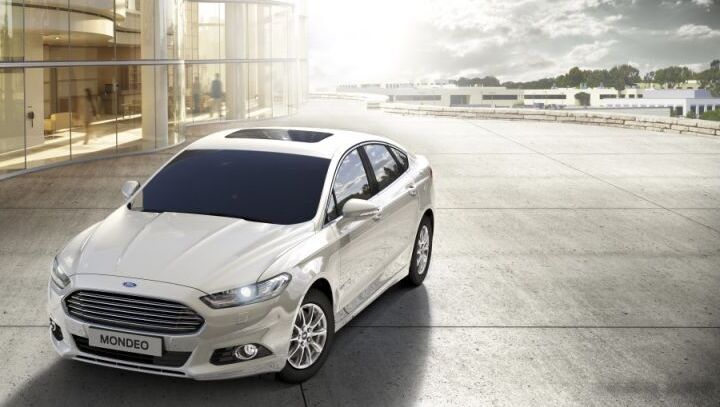
The Ford Mondeo IV Sedan 2.0 iVCT (187 Hp) Hybrid eCVT, produced from 2014 to 2018, represents a significant step in Ford’s application of hybrid technology to the mid-size sedan segment. This variant was part of the fourth generation Mondeo (Mk4), built on the CD2 platform, also known internally as the 1HX0 platform. It offered a blend of fuel efficiency and reasonable performance, positioning itself as a more premium and technologically advanced option within the Mondeo lineup, sitting above the base 1.6L EcoBoost models and below the more performance-oriented 2.0L turbocharged variants.
Powertrain & Engine Architecture
The heart of the Mondeo Hybrid is the 2.0-liter iVCT (Intelligent Variable Camshaft Timing) four-cylinder gasoline engine, designated the UACA engine code. This engine is naturally aspirated and produces 148 hp (110 kW) and 173 Nm (127.6 lb-ft) of torque at 4000 rpm. It’s paired with a 120 hp (89 kW) electric motor, bringing the total system output to 187 hp (139 kW) at 6000 rpm and a combined torque of 300 Nm (221.27 lb-ft) available from 1750-4500 rpm. The engine utilizes multi-port fuel injection and a compression ratio of 12.3:1. The cylinder bore measures 87.5 mm (3.44 in) and the piston stroke is 83.1 mm (3.27 in), resulting in a displacement of 1999 cm³ (121.99 cu. in).
The “eCVT” transmission is not a traditional continuously variable transmission. Instead, it’s a power-split device, a key component of Ford’s hybrid system. It uses a planetary gearset to seamlessly blend power from the gasoline engine and the electric motor, providing a smooth and efficient driving experience. The eCVT doesn’t have fixed gear ratios; instead, it continuously adjusts the ratio to optimize engine speed for either maximum efficiency or power. The system also incorporates regenerative braking, capturing energy during deceleration to recharge the 1.4 kWh lithium-ion battery pack.
Fuel Injection and Valvetrain
The UACA engine employs multi-port fuel injection, a system where fuel is injected into the intake ports just before the intake valves. This provides good fuel atomization and efficient combustion. The engine also features Ford’s Intelligent Variable Camshaft Timing (iVCT) on both intake and exhaust camshafts. This technology allows the engine control unit (ECU) to adjust the valve timing based on engine speed and load, optimizing performance, fuel economy, and emissions.
Driving Characteristics
The Mondeo Hybrid 2.0 iVCT delivers a distinctly different driving experience compared to its gasoline-only counterparts. Acceleration from 0-100 km/h (0-62 mph) takes approximately 9.2 seconds, and 0-60 mph is achieved in around 8.7 seconds. While not a sports sedan, the combined power output provides adequate acceleration for everyday driving situations. The electric motor provides instant torque, resulting in brisk initial acceleration. The eCVT transmission contributes to a smooth, almost seamless acceleration feel, lacking the distinct gear shifts of a traditional automatic.
In typical driving scenarios, the Mondeo Hybrid prioritizes fuel efficiency. The vehicle can operate in electric-only mode at lower speeds and under light loads, providing a near-silent driving experience. The hybrid system intelligently switches between electric, gasoline, and combined power modes to optimize efficiency. Compared to the 1.6L EcoBoost, the Hybrid offers superior fuel economy, but the 2.0L turbocharged models provide significantly more performance. The Hybrid’s focus is on refinement and efficiency, rather than outright speed.
Equipment & Trim Levels
The 2.0 iVCT Hybrid eCVT was typically offered in higher trim levels within the Mondeo IV Sedan range, such as Titanium and Vignale. Standard equipment generally included features like dual-zone automatic climate control, Ford’s SYNC infotainment system with a touchscreen display, Bluetooth connectivity, alloy wheels (typically 17- or 18-inch), and a comprehensive suite of safety features including ABS, ESP, and multiple airbags. Interior upholstery was typically cloth or leather, depending on the specific trim level.
Optional extras commonly available included a panoramic sunroof, heated and cooled front seats, a premium sound system (often Sony), adaptive cruise control, lane-keeping assist, and a rear-view camera. The Vignale trim, being the most luxurious, added exclusive exterior styling cues, premium leather upholstery, and additional comfort features.
Chassis & Braking
The Mondeo IV Sedan features an independent suspension system on both the front and rear axles. The front suspension utilizes a McPherson strut design with coil springs and an anti-roll bar, while the rear suspension employs a multi-link setup. This configuration provides a comfortable ride and good handling characteristics. The Hybrid variant, due to the added weight of the battery pack and electric motor, often featured slightly stiffer spring rates to maintain handling balance.
Braking duties are handled by ventilated discs on the front wheels and solid discs on the rear wheels. The anti-lock braking system (ABS) and electronic stability program (ESP) are standard features, enhancing safety and control. Steering is provided by an electric power steering system, offering a light and precise feel.
Market Reception & Comparison
The Ford Mondeo Hybrid was generally well-received by automotive critics. It was praised for its fuel efficiency, smooth ride, and refined driving experience. However, some reviewers noted that the acceleration wasn’t as brisk as that of the more powerful gasoline engines. Fuel economy figures were consistently impressive, with combined cycle consumption averaging around 4.2 l/100 km (56 US mpg), making it one of the most fuel-efficient vehicles in its class.
Compared to the other engines in the Mondeo IV lineup, the Hybrid offered a compelling alternative for buyers prioritizing fuel economy and low emissions. The 1.6L EcoBoost provided a more affordable entry point, while the 2.0L turbocharged engines delivered superior performance. The 1.9 TDI diesel offered comparable fuel economy but with the drawbacks associated with diesel emissions regulations. The Hybrid aimed to bridge the gap, offering a balance of efficiency and refinement.
Technical Specifications
| Brand | Ford |
| Model | Mondeo |
| Generation | Mondeo IV Sedan |
| Type (Engine) | 2.0 iVCT (187 Hp) Hybrid eCVT |
| Start of production | 2014 |
| End of production | 2018 |
| Engine Displacement | 1999 cm³ (121.99 cu. in.) |
| Engine Code | UACA |
| Number of Cylinders | 4 |
| Engine Configuration | Inline |
| Fuel Type | Petrol (Gasoline) |
| System Power | 187 Hp @ 6000 rpm |
| System Torque | 300 Nm @ 1750-4500 rpm (221.27 lb.-ft.) |
| Engine Torque | 173 Nm @ 4000 rpm (127.6 lb.-ft.) |
| Compression Ratio | 12.3:1 |
| Fuel Consumption (Urban) | 2.8 l/100 km (84 US mpg) |
| Fuel Consumption (Extra Urban) | 5 l/100 km (47 US mpg) |
| Fuel Consumption (Combined) | 4.2 l/100 km (56 US mpg) |
| CO2 Emissions | 99 g/km |
| Acceleration 0-100 km/h | 9.2 sec |
| Acceleration 0-62 mph | 9.2 sec |
| Maximum Speed | 187 km/h (116.2 mph) |
| Kerb Weight | 1504 kg (3315.75 lbs.) |
| Fuel Tank Capacity | 53 l (14 US gal) |
| Battery Capacity | 1.4 kWh |
| Battery Technology | Lithium-ion (Li-Ion) |
Legacy
The Ford Mondeo IV Sedan 2.0 iVCT Hybrid eCVT powertrain has proven to be relatively reliable in the long term. While hybrid systems are inherently more complex than traditional gasoline engines, the Ford system has demonstrated good durability. Common issues reported by owners include battery degradation over time (though typically not catastrophic within the first 100,000 miles) and occasional problems with the eCVT transmission. However, these issues are not widespread and are often covered under warranty.
On the used car market, the Mondeo Hybrid commands a slightly higher price than comparable gasoline-only models, reflecting its fuel efficiency and advanced technology. It remains a popular choice for buyers seeking a comfortable, refined, and economical mid-size sedan. The Mondeo Hybrid paved the way for Ford’s continued development of hybrid and electric vehicles, and its technology has been incorporated into subsequent models.