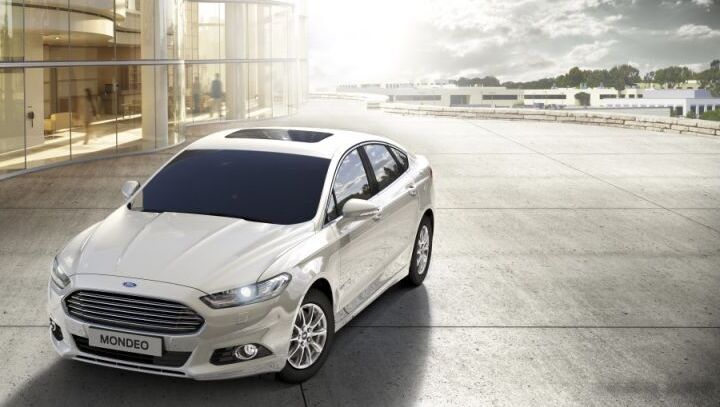
The Ford Mondeo IV Sedan 2.0 TDCi (180 hp) represents a significant offering within the fourth generation of Ford’s globally recognized Mondeo line. Produced between 2014 and 2018, this variant occupied a mid-to-upper position in the Mondeo IV Sedan range, appealing to buyers seeking a balance of performance, fuel efficiency, and practicality. It was built on the CD390 platform, also known internally as the 1HX0, and formed part of Ford’s strategy to offer a diverse lineup catering to varying customer needs. The 2.0 TDCi 180 hp model aimed to provide a more engaging driving experience than the lower-powered diesel options, while remaining more economical than the gasoline-powered variants.
Powertrain & Engine Architecture
At the heart of the Mondeo IV Sedan 2.0 TDCi (180 hp) lies the Ford T8CC engine, a 1997 cc inline-four cylinder diesel engine. This engine is a member of Ford’s Duratorq family, known for its robust construction and relatively good reliability. The T8CC utilizes a common rail direct fuel injection system, operating at a maximum pressure of 2000 bar, ensuring precise fuel delivery and optimized combustion. The engine is turbocharged and intercooled, enhancing power output and efficiency. The turbocharger itself is typically a variable geometry turbo (VGT), allowing for improved responsiveness across a wider RPM range.
The engine features a double overhead camshaft (DOHC) valvetrain with four valves per cylinder, contributing to efficient gas exchange. The compression ratio is relatively high at 16.7:1, typical for modern diesel engines, maximizing thermal efficiency. The engine management system is a sophisticated electronic control unit (ECU) that manages fuel injection, turbocharger operation, and other parameters to optimize performance and emissions. The engine is transversely mounted in the front of the vehicle, driving the front wheels.
Transmission
The 2.0 TDCi 180 hp Mondeo Sedan was primarily equipped with a six-speed manual transmission. This gearbox was chosen for its durability and ability to handle the engine’s 400 Nm (295.02 lb-ft) of torque. The gear ratios were tuned to provide a balance between acceleration and fuel economy. First gear was relatively short for quick take-offs, while higher gears were geared for efficient cruising. While a six-speed automatic transmission (Powershift dual-clutch) was available on other Mondeo IV models, it was less commonly paired with the 180 hp version of the 2.0 TDCi engine.
Driving Characteristics
The Mondeo IV Sedan 2.0 TDCi (180 hp) offered a noticeably more spirited driving experience compared to the lower-powered diesel variants. The 180 hp output, coupled with the 400 Nm of torque available from 2000-2500 rpm, provided ample power for both urban driving and highway cruising. Acceleration from 0-100 km/h (0-62 mph) was achieved in approximately 8.3 seconds, making it a competitive performer in its class. The six-speed manual transmission allowed drivers to maintain optimal engine speed for efficient power delivery.
The engine’s torque curve was relatively flat, providing strong pull throughout the rev range. This made overtaking maneuvers easy and confident. While not a sports sedan, the 2.0 TDCi 180 hp Mondeo offered a refined and capable driving experience. Compared to the gasoline-powered Mondeo variants, the diesel offered superior fuel economy and torque, albeit with slightly less peak horsepower. The handling was generally considered good, with well-weighted steering and a comfortable ride.
Equipment & Trim Levels
The Mondeo IV Sedan 2.0 TDCi (180 hp) was typically offered in higher trim levels, such as Titanium or Zetec, depending on the specific market. Standard equipment generally included air conditioning, power windows, power mirrors, a multi-function steering wheel, and an audio system with USB connectivity. Higher trim levels added features such as leather upholstery, heated front seats, a sunroof, and a navigation system. Safety features included ABS, electronic stability control, and multiple airbags. Optional extras included parking sensors, a rear-view camera, and advanced driver-assistance systems like lane departure warning and adaptive cruise control.
Interior upholstery was typically cloth on lower trims, upgrading to leather on higher-specification models. The dashboard layout was modern and functional, with a clear instrument cluster and intuitive controls. The overall interior ambiance was generally considered to be well-built and comfortable.
Chassis & Braking
The Mondeo IV Sedan 2.0 TDCi (180 hp) utilized an independent front suspension with McPherson struts and a coil spring and anti-roll bar. The rear suspension was an independent multi-link setup, also with a stabilizer bar. This suspension configuration provided a good balance between ride comfort and handling. The front brakes were ventilated discs, while the rear brakes were typically solid discs, although some models may have featured rear ventilated discs depending on the specific trim level and market. The braking system was equipped with ABS (Anti-lock Braking System) and electronic brakeforce distribution (EBD) for enhanced safety.
Steering was rack and pinion, providing precise and responsive control. Tire sizes varied depending on the trim level, ranging from 215/60 R16 to 235/40 R19. Wheel rim sizes also varied accordingly, from 6.5J x 16 to 8J x 19.
Market Reception & Comparison
The Ford Mondeo IV Sedan 2.0 TDCi (180 hp) was generally well-received by automotive critics. It was praised for its fuel efficiency, comfortable ride, and spacious interior. The engine was considered to be a good compromise between performance and economy. However, some critics noted that the interior materials were not as premium as those found in some of its competitors. Compared to other trims in the Mondeo IV lineup, the 2.0 TDCi 180 hp offered a more engaging driving experience than the lower-powered diesel variants, while remaining more economical than the gasoline-powered models. It competed with vehicles such as the Volkswagen Passat, Opel Insignia, and Skoda Superb.
Fuel economy figures were impressive, with combined fuel consumption averaging around 4.4 l/100 km (53.5 US mpg). Reliability was generally considered to be good, although some owners reported issues with the diesel particulate filter (DPF) and the dual-mass flywheel.
Technical Specifications
| Brand | Ford |
| Model | Mondeo |
| Generation | Mondeo IV Sedan |
| Type (Engine) | 2.0 TDCi (180 Hp) |
| Start of production | 2014 |
| End of production | 2018 |
| Engine Displacement | 1997 cm3 (121.86 cu. in.) |
| Number of Cylinders | 4 |
| Engine Configuration | Inline |
| Power | 180 Hp @ 3500 rpm |
| Torque | 400 Nm @ 2000-2500 rpm (295.02 lb.-ft.) |
| Fuel Type | Diesel |
| Fuel Consumption (Urban) | 5.1 l/100 km (46.1 US mpg) |
| Fuel Consumption (Extra Urban) | 4 l/100 km (58.8 US mpg) |
| Fuel Consumption (Combined) | 4.4 l/100 km (53.5 US mpg) |
| CO2 Emissions | 115 g/km |
| Acceleration 0-100 km/h | 8.3 sec |
| Maximum Speed | 225 km/h (139.81 mph) |
| Kerb Weight | 1579 kg (3481.1 lbs) |
| Fuel Tank Capacity | 62.5 l (16.51 US gal) |
| Trunk (Boot) Space | 429 l (15.15 cu. ft.) |
| Transmission | 6-speed Manual |
Legacy
The Ford Mondeo IV Sedan 2.0 TDCi (180 hp) remains a popular choice in the used car market. Its combination of fuel efficiency, performance, and practicality makes it an attractive option for buyers seeking a comfortable and reliable family sedan. While the diesel particulate filter (DPF) and dual-mass flywheel can be potential maintenance concerns, these issues are relatively common to modern diesel engines and can be mitigated with proper maintenance. The T8CC engine itself is generally considered to be durable and long-lasting. The Mondeo IV, in general, established a strong reputation for being a well-rounded and capable vehicle, and the 2.0 TDCi 180 hp variant continues to be a respected member of the Mondeo family.