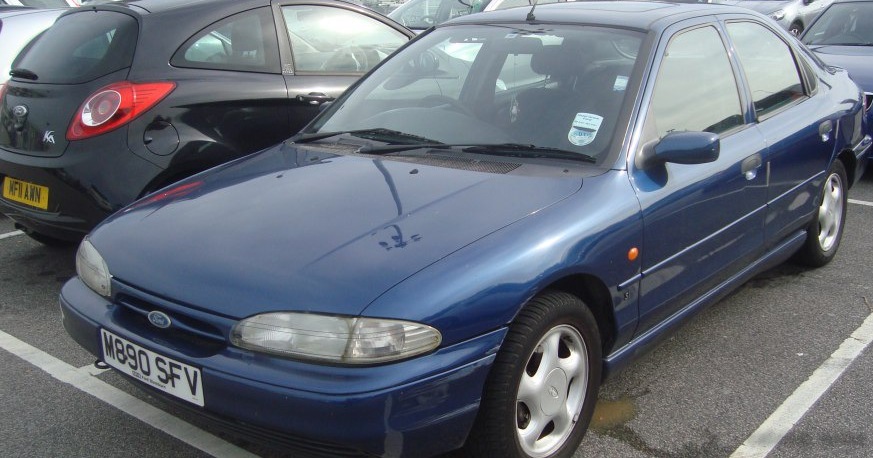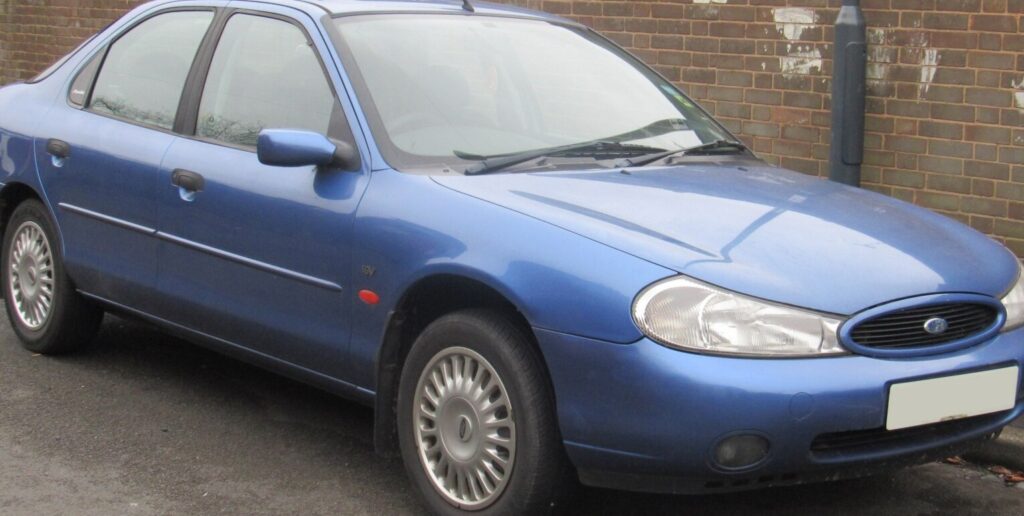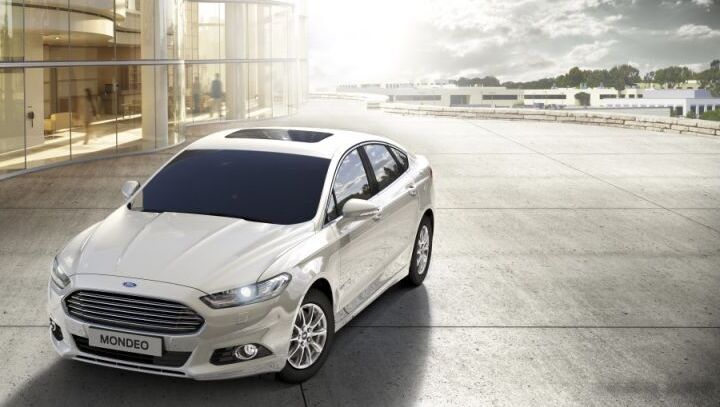
The Ford Mondeo IV Sedan 2.0 TDCi (180 hp) PowerShift, produced between 2014 and 2018, represented a significant offering in Ford’s mid-size sedan lineup. Part of the fourth generation Mondeo (Mk4), this variant aimed to balance fuel efficiency with respectable performance, appealing to drivers seeking a comfortable and practical vehicle for both daily commuting and longer journeys. It was positioned as a mid-range to upper-mid-range trim, offering more power and sophisticated transmission technology than the base engine options, but remaining more accessible than the flagship models. The Mondeo IV series, built on the Ford CD2 platform (internally designated as 1HX0 for the sedan), aimed to elevate Ford’s presence in the competitive European and global mid-size car segments.
Powertrain & Engine Architecture
At the heart of the Mondeo IV Sedan 2.0 TDCi (180 hp) PowerShift lies the Ford Duratorq 2.0-liter inline-four cylinder diesel engine, specifically the T8CC engine code. This engine is a common-rail direct injection diesel, utilizing a high-pressure fuel system to deliver fuel directly into the combustion chamber. The Duratorq engine family is known for its robust construction and relatively straightforward maintenance. The 180 horsepower output is achieved through a turbocharger with an intercooler, boosting intake air density and improving combustion efficiency. Peak power of 180 hp (134 kW) is delivered at 3500 rpm, while a substantial 400 Nm (295 lb-ft) of torque is available between 2000 and 2500 rpm. This broad torque curve contributes to strong acceleration and effortless cruising.
The engine features a double overhead camshaft (DOHC) valvetrain with four valves per cylinder, optimizing gas flow for improved performance. The compression ratio is relatively high at 16.7:1, typical for modern diesel engines, contributing to thermal efficiency. The PowerShift transmission is a crucial component of this variant. It’s a six-speed dual-clutch transmission (DCT), offering quicker and smoother gear changes compared to a traditional automatic transmission. The PowerShift utilizes two separate clutches – one for odd-numbered gears and one for even-numbered gears – allowing for pre-selection of the next gear, resulting in near-seamless shifts. However, early iterations of the PowerShift transmission were known to have reliability issues, which Ford addressed with software and hardware updates throughout the production run.
Fuel Injection and Turbocharging
The 2.0 TDCi engine employs a Bosch common rail fuel injection system, capable of delivering multiple injection events per combustion cycle. This allows for precise fuel metering, optimizing combustion for both power and efficiency. The turbocharger is a variable geometry turbocharger (VGT), which adjusts the turbine vanes to optimize boost pressure across a wider range of engine speeds. This minimizes turbo lag and provides a more responsive driving experience. The intercooler cools the compressed air from the turbocharger, further increasing air density and improving combustion efficiency.
Driving Characteristics
The Mondeo IV Sedan 2.0 TDCi (180 hp) PowerShift delivers a refined and capable driving experience. The 400 Nm of torque provides strong acceleration from low engine speeds, making it well-suited for overtaking and merging onto highways. The 0-100 km/h (0-62 mph) acceleration time is approximately 8.6 seconds, and 0-60 mph is achieved in around 8.2 seconds, placing it comfortably ahead of the lower-powered engine options in the Mondeo lineup. The PowerShift transmission contributes to a smooth and responsive driving experience, with quick gear changes enhancing performance. Compared to the six-speed manual transmission available on other Mondeo variants, the PowerShift offers greater convenience, particularly in urban driving conditions. However, some drivers may prefer the more direct feel and control of a manual gearbox. The suspension tuning prioritizes comfort, providing a smooth ride over most road surfaces. The steering is precise and well-weighted, offering a good balance between feedback and ease of use.
Equipment & Trim Levels
The 2.0 TDCi (180 hp) PowerShift trim typically included a generous level of standard equipment. This often included air conditioning, power windows and mirrors, a CD/MP3 stereo system with USB connectivity, alloy wheels, and front fog lights. Higher trim levels, such as Titanium, added features like leather upholstery, heated front seats, a sunroof, a navigation system, and parking sensors. Interior upholstery was typically cloth on lower trims, with leather options available on higher-spec models. The dashboard layout was generally clean and functional, with a focus on ergonomics. Optional extras included a premium sound system, adaptive cruise control, and a rear-view camera.
Chassis & Braking
The Mondeo IV Sedan 2.0 TDCi (180 hp) PowerShift utilizes an independent front suspension with McPherson struts and a coil spring and anti-roll bar. The rear suspension is an independent multi-link setup, also with coil springs and a stabilizer bar. This suspension configuration provides a good balance between ride comfort and handling. The braking system consists of ventilated discs on the front wheels and solid discs on the rear wheels. Anti-lock Braking System (ABS) is standard, enhancing braking performance and stability. The steering system is a rack and pinion type, providing precise and responsive steering control.
Market Reception & Comparison
The Ford Mondeo IV Sedan 2.0 TDCi (180 hp) PowerShift was generally well-received by automotive critics. It was praised for its fuel efficiency, comfortable ride, and spacious interior. The PowerShift transmission was a point of contention, with some reviewers noting occasional hesitation or jerky shifts, particularly at low speeds. However, the overall driving experience was considered positive. Compared to the 1.6-liter TDCi engine options, the 2.0-liter offered significantly more power and torque, resulting in improved acceleration and overall performance. Fuel economy was competitive, with combined fuel consumption figures around 4.8 l/100 km (49 US mpg). Compared to gasoline-powered Mondeo variants, the 2.0 TDCi offered superior fuel economy and torque, making it a popular choice for drivers who prioritize efficiency and practicality.
Technical Specifications
| Brand | Ford |
| Model | Mondeo |
| Generation | Mondeo IV Sedan |
| Type (Engine) | 2.0 TDCi (180 Hp) PowerShift |
| Start of production | 2014 |
| End of production | 2018 |
| Engine Displacement | 1997 cm3 (121.86 cu. in.) |
| Number of Cylinders | 4, Inline |
| Power | 180 Hp @ 3500 rpm |
| Torque | 400 Nm @ 2000-2500 rpm (295.02 lb.-ft.) |
| Fuel Type | Diesel |
| Fuel Consumption (Urban) | 5.3 l/100 km (44.4 US mpg) |
| Fuel Consumption (Extra Urban) | 4.4 l/100 km (53.5 US mpg) |
| Fuel Consumption (Combined) | 4.8 l/100 km (49 US mpg) |
| CO2 Emissions | 125 g/km |
| Acceleration 0-100 km/h | 8.6 sec |
| Acceleration 0-62 mph | 8.6 sec |
| Maximum Speed | 223 km/h (138.57 mph) |
| Kerb Weight | 1587 kg (3498.74 lbs.) |
| Fuel Tank Capacity | 62.5 l (16.51 US gal) |
| Transmission | 6-speed automatic PowerShift |
Legacy
The Ford Mondeo IV Sedan 2.0 TDCi (180 hp) PowerShift remains a relatively common sight on the used car market. While the PowerShift transmission’s early reliability concerns are well-documented, many examples have proven to be durable with proper maintenance and software updates. The Duratorq 2.0-liter diesel engine is generally considered reliable and relatively inexpensive to maintain. The Mondeo IV continues to be valued for its spacious interior, comfortable ride, and fuel efficiency. However, potential buyers should carefully inspect the PowerShift transmission and ensure it has received any necessary software updates. Overall, the 2.0 TDCi (180 hp) PowerShift variant represents a well-rounded and practical choice for those seeking a mid-size sedan with a balance of performance, efficiency, and comfort.