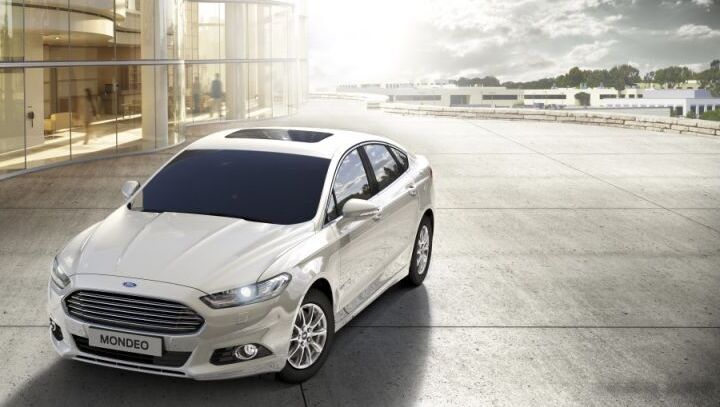
The Ford Mondeo IV Sedan 2.0 TDCi (180 hp) PowerShift AWD, produced between 2014 and 2018, represented a sophisticated offering within the fourth generation of the Mondeo line. This variant combined a potent turbocharged diesel engine with a dual-clutch automatic transmission and all-wheel drive, positioning it as a premium, all-weather capable option within the Mondeo range. The Mondeo IV, internally designated as the B5Y0 platform, aimed to elevate Ford’s presence in the mid-size segment, offering a blend of comfort, technology, and driving dynamics. The 2.0 TDCi PowerShift AWD model specifically targeted buyers seeking a refined and capable sedan for both daily commuting and longer journeys.
Powertrain & Engine Architecture
At the heart of the Mondeo 2.0 TDCi (180 hp) PowerShift AWD lies the Ford T8CC engine, a 1997cc inline four-cylinder diesel. This engine is a member of Ford’s Duratorq family, known for its robust construction and efficiency. The T8CC utilizes a common-rail direct fuel injection system, delivering fuel at extremely high pressure for optimized combustion. This system, coupled with a variable geometry turbocharger and intercooler, allows for a broad torque curve and responsive power delivery. The engine boasts a compression ratio of 16.7:1 and features a double overhead camshaft (DOHC) valvetrain with four valves per cylinder.
The “PowerShift” transmission is a six-speed dual-clutch transmission (DCT), essentially two manual gearboxes within one housing, allowing for rapid and seamless gear changes. This transmission differs significantly from a traditional torque-converter automatic, offering quicker shifts and improved fuel efficiency. The all-wheel-drive system employs a viscous coupling, automatically distributing torque between the front and rear axles as needed to maintain optimal traction. This system is primarily front-wheel drive under normal conditions, engaging the rear wheels when slip is detected.
Engine Specifications (T8CC)
- Displacement: 1997 cm³ (121.86 cu. in.)
- Configuration: Inline-4
- Bore x Stroke: 85 mm x 88 mm (3.35 in x 3.46 in)
- Compression Ratio: 16.7:1
- Valvetrain: DOHC, 4 valves per cylinder
- Fuel Injection: Diesel Commonrail
- Turbocharging: Variable Geometry Turbocharger with Intercooler
Driving Characteristics
The 180 hp and 400 Nm (295 lb-ft) of torque produced by the 2.0 TDCi engine provide brisk acceleration, with a 0-62 mph (0-100 km/h) time of 9.3 seconds. While not a sports sedan, the PowerShift transmission ensures responsive gear changes, contributing to a feeling of effortless performance. The all-wheel-drive system enhances grip, particularly in adverse weather conditions, providing increased confidence and stability. Compared to the lower-powered 1.6 TDCi versions, the 2.0 TDCi offers significantly more pulling power, making it more suitable for highway cruising and carrying passengers or cargo. The PowerShift transmission, while generally smooth, could exhibit some low-speed jerkiness in certain situations, a characteristic noted in some reviews of the system. Compared to a traditional automatic, the DCT requires a different driving style, rewarding smoother inputs.
The gear ratios in the PowerShift transmission are tuned for a balance of acceleration and fuel economy. First gear is relatively short for quick off-the-line acceleration, while higher gears are geared for efficient cruising. The all-wheel-drive system adds weight compared to front-wheel-drive Mondeos, slightly impacting handling agility, but the added traction more than compensates for this in most driving scenarios.
Equipment & Trim Levels
The 2.0 TDCi (180 hp) PowerShift AWD Mondeo typically occupied a mid-to-high trim level within the Mondeo IV range. Standard equipment generally included air conditioning, power windows and mirrors, a multi-function steering wheel, and an audio system with USB connectivity. Higher trim levels, such as Titanium and Vignale, added features like leather upholstery, heated front seats, a navigation system, a rear-view camera, and advanced driver-assistance systems (ADAS) like adaptive cruise control and lane-keeping assist. Optional extras included a panoramic sunroof, premium sound systems, and various styling enhancements. Interior upholstery was typically cloth on lower trims, upgrading to leather on higher-spec models. The dashboard layout was consistent across the range, featuring a user-friendly infotainment system and clear instrumentation.
Chassis & Braking
The Mondeo IV Sedan features an independent suspension setup at all four corners. The front suspension utilizes a McPherson strut design with coil springs and an anti-roll bar, while the rear suspension employs a multi-link system. This configuration provides a comfortable ride quality while maintaining good handling characteristics. The 2.0 TDCi AWD models typically featured slightly stiffer suspension components compared to the lower-powered versions to cope with the increased weight and power. Braking duties are handled by ventilated discs at the front and solid discs at the rear. The anti-lock braking system (ABS) is standard, along with electronic brakeforce distribution (EBD). Stabilizer bar thickness varied depending on the trim level, with higher trims often receiving thicker bars for reduced body roll.
Market Reception & Comparison
The Ford Mondeo IV Sedan 2.0 TDCi (180 hp) PowerShift AWD was generally well-received by automotive critics. It was praised for its comfortable ride, spacious interior, and refined powertrain. The PowerShift transmission was a point of contention for some reviewers, with some noting its occasional jerkiness at low speeds. However, the overall performance and fuel economy were generally considered to be competitive. Compared to other trims in the Mondeo lineup, the 2.0 TDCi AWD offered a significant performance upgrade over the 1.6 TDCi models, while being more affordable than the petrol-powered variants. Fuel economy figures of around 45.2 US mpg (54.3 UK mpg) combined were respectable for a vehicle of this size and performance. Competitors included the Volkswagen Passat, Opel/Vauxhall Insignia, and Skoda Superb.
Technical Specifications
| Engine Type | 2.0L Turbo Diesel (T8CC) |
| Engine Code | T8CC |
| Power Output | 180 hp @ 3500 rpm |
| Torque Output | 400 Nm (295 lb-ft) @ 2000-2500 rpm |
| Fuel Consumption (Urban) | 6 l/100 km (39.2 US mpg) |
| Fuel Consumption (Extra Urban) | 4.7 l/100 km (50 US mpg) |
| Fuel Consumption (Combined) | 5.2 l/100 km (45.2 US mpg) |
| CO2 Emissions | 134 g/km |
| Transmission | 6-speed PowerShift (Dual-Clutch) |
| Drive Type | All-Wheel Drive (AWD) |
| Kerb Weight | 1589 kg (3503.15 lbs) |
| Max. Weight | 2320 kg (5114.72 lbs) |
| Fuel Tank Capacity | 62.5 l (16.51 US gal) |
| Length | 4871 mm (191.77 in) |
| Width | 1852 mm (72.91 in) |
| Height | 1482 mm (58.35 in) |
Legacy
The Ford Mondeo IV 2.0 TDCi (180 hp) PowerShift AWD powertrain has proven to be relatively reliable, although the PowerShift transmission has been known to experience issues in some cases, particularly early production units. Common problems include clutch wear and software glitches. Regular maintenance, including fluid changes and software updates, is crucial for ensuring the longevity of the transmission. The T8CC engine itself is generally robust, but like any diesel engine, it is susceptible to issues related to the fuel injection system and turbocharger. Today, these Mondeos represent a good value on the used car market, offering a comfortable and well-equipped driving experience at an affordable price. However, potential buyers should be aware of the potential issues with the PowerShift transmission and thoroughly inspect the vehicle before purchase.