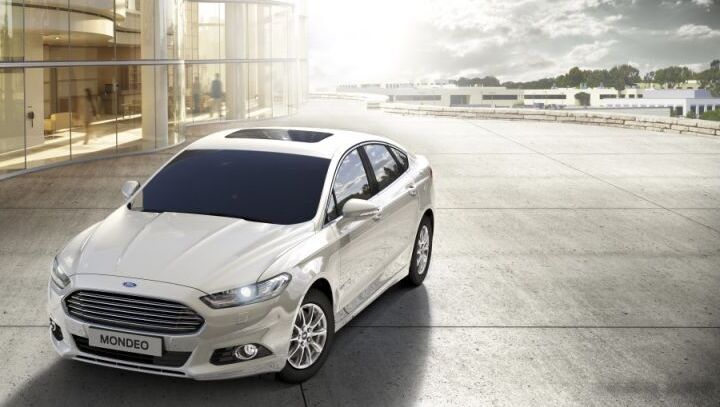
The Ford Mondeo IV Sedan 2.0 TDCi (210 hp) PowerShift, produced between 2015 and 2018, represented a higher-performance variant within the fourth generation Mondeo (Mk4) lineup. This model, built on the CD390 platform (internally designated as the 1HX0 for sedan versions), aimed to offer a blend of fuel efficiency, respectable performance, and modern technology. It occupied a mid-to-premium position in the Mondeo range, sitting above the lower-powered diesel options and the gasoline engines, but below the Vignale trim level which focused on luxury appointments. The 2.0 TDCi PowerShift was targeted towards drivers seeking a comfortable and capable family sedan with enhanced driving dynamics.
Powertrain & Engine Architecture
The heart of the Mondeo 2.0 TDCi (210 hp) is the Ford T9CA engine, a 1997cc inline four-cylinder diesel. This engine is characterized by its twin-turbocharger configuration, incorporating a low-inertia turbocharger for immediate response and a larger turbocharger for peak power. The engine utilizes a common-rail direct fuel injection system, operating at a maximum pressure of 2000 bar, ensuring precise fuel delivery and optimized combustion. The valvetrain employs a double overhead camshaft (DOHC) design with four valves per cylinder, contributing to efficient gas exchange. The compression ratio is a relatively high 16:1, typical for modern diesel engines designed for efficiency and power. The engine produces 210 horsepower at 3750 rpm and 450 Nm (331.9 lb-ft) of torque between 2000 and 2500 rpm.
Paired with the T9CA engine is Ford’s six-speed “PowerShift” dual-clutch transmission (DCT). This transmission, based on the Getrag 6DCT250 unit, offers automated gear changes with the efficiency of a manual gearbox. It features two separate clutches, one for odd-numbered gears and one for even-numbered gears, allowing for seamless and rapid shifts. The PowerShift transmission was designed to improve fuel economy and provide a more engaging driving experience compared to traditional automatic transmissions.
Engine Codes & Variations
While the T9CA code specifically denotes the 210 hp output, variations of the 2.0 TDCi engine were available in the Mondeo IV range. Lower-powered versions, such as the 150 hp and 180 hp variants, utilized different engine calibrations and turbocharger setups. These lower-output engines were generally paired with a standard six-speed manual transmission, targeting a more fuel-conscious buyer. The 210 hp version, with its PowerShift transmission, was positioned as the performance-oriented diesel option.
Driving Characteristics
The 210 hp 2.0 TDCi PowerShift Mondeo delivers a noticeably more spirited driving experience than its lower-powered siblings. The twin-turbocharger setup minimizes turbo lag, providing strong acceleration from low engine speeds. The PowerShift transmission contributes to this responsiveness with quick and precise gear changes. Acceleration from 0 to 100 km/h (0-62 mph) takes approximately 7.9 seconds, and 0-60 mph is achieved in around 7.5 seconds. The maximum speed is electronically limited to 233 km/h (144.78 mph).
The transmission’s gear ratios are tuned to balance acceleration and fuel efficiency. First and second gears are relatively short for brisk off-the-line acceleration, while higher gears are geared for comfortable cruising at highway speeds. Compared to a manual transmission, the PowerShift offers convenience and ease of use, particularly in urban traffic. However, some drivers may prefer the more direct control offered by a manual gearbox. The increased torque output of the 210 hp engine also provides ample power for overtaking maneuvers and maintaining speed on inclines.
Equipment & Trim Levels
The 2.0 TDCi (210 hp) PowerShift Mondeo typically came equipped with a generous level of standard features. These included air conditioning, power windows and mirrors, a multi-function steering wheel, and an audio system with USB connectivity. Higher trim levels, such as Titanium and Zetec, added features like alloy wheels, a touchscreen infotainment system with navigation, parking sensors, automatic headlights and wipers, and heated front seats. Optional extras included a panoramic sunroof, leather upholstery, and advanced driver-assistance systems such as adaptive cruise control and lane-keeping assist.
Interior upholstery generally consisted of cloth or a combination of cloth and leatherette, depending on the trim level. The dashboard layout was modern and functional, with a clear instrument cluster and intuitive controls. The Mondeo IV Sedan offered a spacious cabin with ample legroom for both front and rear passengers. Trunk space was a competitive 429 liters (15.15 cu ft).
Chassis & Braking
The Mondeo IV Sedan featured an independent suspension system on both the front and rear axles. The front suspension utilized a McPherson strut design with a coil spring and anti-roll bar, while the rear suspension employed a multi-link setup. This configuration provided a good balance between ride comfort and handling. The 2.0 TDCi models, due to their increased weight, often featured slightly stiffer suspension components compared to the lower-powered versions.
Braking duties were handled by ventilated discs on the front wheels and solid discs on the rear wheels. The braking system was equipped with Anti-lock Braking System (ABS) and Electronic Stability Control (ESC) as standard features. Wheel sizes varied depending on the trim level, ranging from 16-inch to 19-inch alloy wheels. Tire sizes typically ranged from 215/60 R16 to 235/40 R19.
Market Reception & Comparison
The Ford Mondeo IV Sedan 2.0 TDCi (210 hp) PowerShift received generally positive reviews from automotive critics. It was praised for its strong performance, fuel efficiency, and comfortable ride. The PowerShift transmission was often highlighted as a key selling point, offering a smooth and efficient driving experience. However, some critics noted that the PowerShift transmission could occasionally exhibit jerky shifts, particularly at low speeds.
Compared to other trims in the Mondeo lineup, the 2.0 TDCi PowerShift offered a significant performance advantage over the lower-powered diesel and gasoline engines. Fuel economy was comparable to the 180 hp diesel, averaging around 4.8 l/100 km (49 US mpg) in combined driving. Reliability was generally good, although some owners reported issues with the PowerShift transmission, such as clutch wear and software glitches. Competitors in this segment included the Volkswagen Passat, Opel/Vauxhall Insignia, and Skoda Superb.
Technical Specifications
| Brand | Ford |
| Model | Mondeo |
| Generation | Mondeo IV Sedan |
| Engine Type | 2.0 TDCi (210 Hp) PowerShift |
| Start of Production | 2015 |
| End of Production | 2018 |
| Fuel Consumption (Urban) | 5.6 l/100 km (42 US mpg) |
| Fuel Consumption (Extra Urban) | 4.3 l/100 km (54.7 US mpg) |
| Fuel Consumption (Combined) | 4.8 l/100 km (49 US mpg) |
| CO2 Emissions | 124 g/km |
| Fuel Type | Diesel |
| Acceleration 0-100 km/h | 7.9 sec |
| Acceleration 0-62 mph | 7.9 sec |
| Maximum Speed | 233 km/h (144.78 mph) |
| Engine Displacement | 1997 cm3 (121.86 cu. in.) |
| Number of Cylinders | 4 |
| Engine Configuration | Inline |
| Power | 210 Hp @ 3750 rpm |
| Torque | 450 Nm @ 2000-2500 rpm (331.9 lb.-ft.) |
| Engine Code | T9CA |
| Kerb Weight | 1524 kg (3359.84 lbs.) |
| Max. Weight | 2260 kg (4982.45 lbs.) |
| Trunk Space (Minimum) | 429 l (15.15 cu. ft.) |
| Fuel Tank Capacity | 62.5 l (16.51 US gal) |
| Transmission | 6-speed PowerShift (Dual Clutch) |
Legacy
The Ford Mondeo IV Sedan 2.0 TDCi (210 hp) PowerShift remains a popular choice in the used car market. The T9CA engine, when properly maintained, is known for its durability and reliability. However, potential buyers should be aware of the potential issues associated with the PowerShift transmission, such as clutch wear and software problems. Regular servicing and adherence to Ford’s recommended maintenance schedule are crucial for ensuring the long-term reliability of this powertrain. The Mondeo IV, in general, is considered a well-rounded and practical family sedan, and the 2.0 TDCi PowerShift variant offers a compelling combination of performance, efficiency, and comfort.