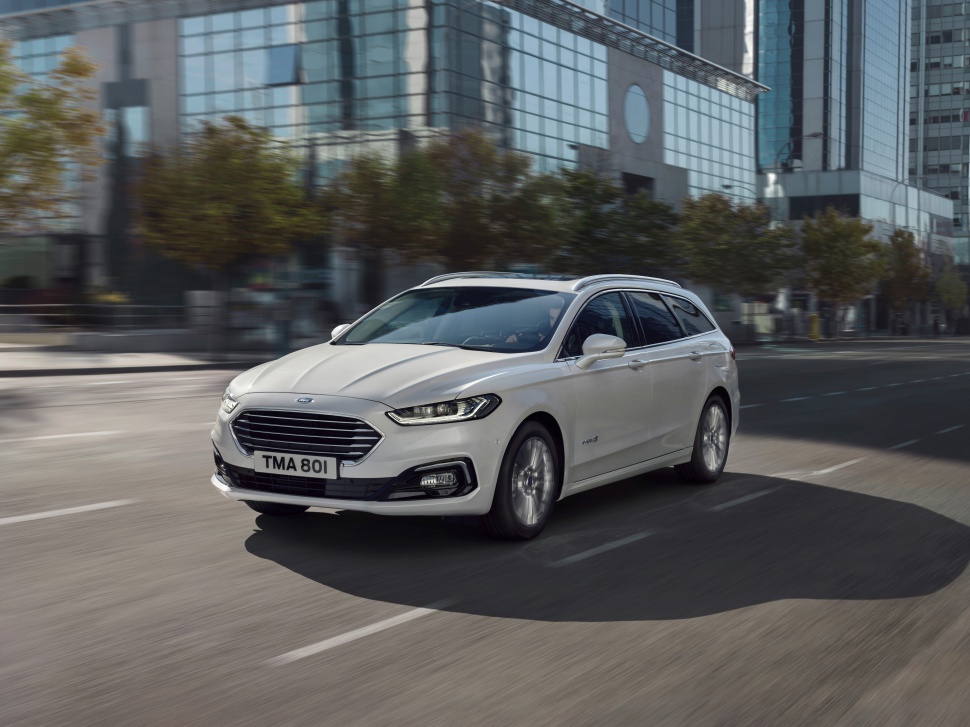
The Ford Mondeo IV Wagon, specifically the 2.0 iVCT (187 Hp) Hybrid eCVT variant produced from February 2019 to April 2022, represents a significant evolution of Ford’s mid-size family car. This model, part of the facelifted fourth generation (Mk4) Mondeo range, positioned itself as a premium offering within the lineup, blending respectable performance with enhanced fuel efficiency thanks to its full hybrid powertrain. Built on the CD2 platform (internally designated as the 1HX0/A3 platform for wagon variants), the Mondeo IV Wagon aimed to compete with established European rivals like the Volkswagen Passat Estate and Skoda Superb Estate, offering a spacious and technologically advanced package.
Powertrain & Engine Architecture
At the heart of the 2.0 iVCT Hybrid lies a 2.0-liter naturally aspirated inline-four cylinder gasoline engine, designated the C20EDEF engine code. This engine utilizes Ford’s Intelligent Variable Camshaft Timing (iVCT) technology, optimizing valve timing for improved performance and fuel economy across the rev range. The engine employs direct fuel injection, delivering fuel directly into the combustion chamber for precise control and increased efficiency. The engine produces 187 horsepower at 6000 rpm and 300 Nm (221.27 lb-ft) of torque between 1750-4500 rpm.
Crucially, this isn’t a simple gasoline engine; it’s integrated into a Full Hybrid Electric Vehicle (FHEV) system. A 120 hp electric motor, utilizing synchronous motor technology, works in conjunction with the gasoline engine. Power is delivered through a unique electronically controlled Continuously Variable Transmission (eCVT). Unlike traditional CVTs, the eCVT is designed to mimic the feel of conventional automatic gear changes, providing a smoother and more intuitive driving experience. The system draws power from a 1.4 kWh lithium-ion battery pack located under the trunk floor. The hybrid system allows for short periods of all-electric driving, primarily at lower speeds, and assists the gasoline engine during acceleration, reducing overall fuel consumption.
Fuel Injection and Valvetrain
The C20EDEF engine utilizes a high-pressure direct injection system, enabling precise fuel metering and contributing to cleaner combustion. The valvetrain features dual overhead camshafts (DOHC) with four valves per cylinder, maximizing airflow and enhancing engine responsiveness. The iVCT system dynamically adjusts the camshaft timing based on driving conditions, optimizing performance and efficiency.
Driving Characteristics
The 2.0 iVCT Hybrid eCVT Mondeo Wagon delivers a refined and comfortable driving experience. While not overtly sporty, the combined output of 187 hp provides adequate acceleration, achieving 0-100 km/h (0-62 mph) in 9.4 seconds. The eCVT transmission contributes to seamless acceleration, although it can sometimes feel slightly disconnected compared to a traditional automatic. The electric motor provides instant torque, filling in gaps in the gasoline engine’s power delivery, particularly at lower speeds. The hybrid system prioritizes fuel efficiency, and the car excels in urban driving conditions where regenerative braking captures energy and recharges the battery. Compared to lower-powered Mondeo variants, the 2.0 iVCT Hybrid offers a noticeable performance upgrade. However, it doesn’t match the responsiveness of the higher-output gasoline engines or the torque of the diesel options.
The weight of the hybrid components (battery, electric motor) adds approximately 150-200 kg to the overall vehicle weight compared to a standard gasoline Mondeo Wagon, which slightly impacts handling agility. However, the well-tuned suspension and precise steering provide a stable and predictable ride.
Equipment & Trim Levels
The 2.0 iVCT Hybrid eCVT typically came in higher trim levels, such as Titanium, ST-Line, and Vignale. Standard equipment generally included features like Ford’s SYNC 3 infotainment system with an 8-inch touchscreen, Apple CarPlay and Android Auto compatibility, automatic climate control, keyless entry and start, and a suite of driver-assistance technologies including lane-keeping assist, adaptive cruise control, and automatic emergency braking. Interior upholstery was typically cloth or leather, depending on the trim level. The Vignale trim offered the most luxurious appointments, including premium leather upholstery, ambient lighting, and unique exterior styling cues.
Optional extras included a panoramic sunroof, a premium sound system (often from Sony), heated and ventilated front seats, and a rear-view camera. The ST-Line trim added sporty styling elements, such as a body kit, sports suspension, and unique alloy wheels.
Chassis & Braking
The Mondeo IV Wagon utilizes a front-wheel-drive layout with a MacPherson strut front suspension and a multi-link rear suspension. This configuration provides a good balance between ride comfort and handling. Stabilizer bars are fitted to both the front and rear axles to reduce body roll during cornering. Braking duties are handled by disc brakes on all four wheels, providing ample stopping power. The car is equipped with an Anti-lock Braking System (ABS) and Electronic Stability Control (ESC) as standard safety features. The steering system is an electric power-assisted steering rack and pinion, offering precise and responsive steering feel.
Market Reception & Comparison
The Ford Mondeo IV Wagon 2.0 iVCT Hybrid eCVT was generally well-received by automotive critics. It was praised for its fuel efficiency, comfortable ride, spacious interior, and comprehensive equipment list. However, some reviewers noted that the eCVT transmission could feel somewhat unrefined at times, and the overall driving experience wasn’t as engaging as some of its rivals. Compared to the diesel-powered Mondeo variants, the hybrid offered lower emissions and improved fuel economy in urban driving, but it lacked the low-end torque and long-distance cruising range of the diesel engines. Against competitors like the Volkswagen Passat Estate and Skoda Superb Estate, the Mondeo Hybrid offered a competitive package in terms of price, features, and fuel efficiency.
Fuel economy figures ranged from 4.4-5.0 l/100 km (53.5-47 US mpg, 64.2-56.5 UK mpg), depending on driving conditions and driving style. Reliability reports suggest that the hybrid powertrain is generally reliable, although some owners have reported minor issues with the battery pack or the eCVT transmission.
Technical Specifications
| Brand | Ford |
| Model | Mondeo |
| Generation | Mondeo IV Wagon (facelift 2019) |
| Type (Engine) | 2.0 iVCT (187 Hp) Hybrid eCVT |
| Start of production | February, 2019 |
| End of production | April, 2022 |
| Powertrain Architecture | FHEV (Full Hybrid Electric Vehicle) |
| Body type | Station wagon (estate) |
| Seats | 5 |
| Doors | 5 |
| Fuel consumption (urban) | 4.8-5.5 l/100 km (49-42.8 US mpg) |
| Fuel consumption (extra urban) | 4.5-4.7 l/100 km (52.3-50 US mpg) |
| Fuel consumption (combined) | 4.4-5.0 l/100 km (53.5-47 US mpg) |
| CO2 emissions | 101-113 g/km |
| Fuel Type | Petrol (Gasoline) |
| Acceleration 0 – 100 km/h | 9.4 sec |
| Acceleration 0 – 62 mph | 9.4 sec |
| Acceleration 0 – 60 mph | 8.9 sec |
| Maximum speed | 187 km/h (116.2 mph) |
| Emission standard | Euro 6d-Temp |
| Weight-to-power ratio | 8.8 kg/Hp |
| Weight-to-torque ratio | 5.5 kg/Nm |
| Gross battery capacity | 1.4 kWh |
| Battery technology | Lithium-ion (Li-Ion) |
| Electric motor power | 120 Hp |
| System power | 187 Hp @ 6000 rpm |
| System torque | 300 Nm @ 1750-4500 rpm (221.27 lb.-ft. @ 1750-4500 rpm) |
| Engine Model/Code | C20EDEF |
| Engine oil capacity | 4.3 l (4.54 US qt | 3.78 UK qt) |
| Kerb Weight | 1641 kg (3617.79 lbs.) |
| Max. weight | 2260 kg (4982.45 lbs.) |
| Trunk (boot) space – minimum | 730 l (25.78 cu. ft.) |
| Trunk (boot) space – maximum | 1605 l (56.68 cu. ft.) |
| Fuel tank capacity | 49 l (12.94 US gal | 10.78 UK gal) |
Legacy
The Ford Mondeo IV Wagon 2.0 iVCT Hybrid eCVT represents a transitional step in Ford’s electrification strategy. While Ford has since discontinued the Mondeo in Europe and North America, the hybrid powertrain technology developed for this model has been incorporated into other Ford vehicles. On the used car market, these Mondeos are generally well-regarded for their fuel efficiency and practicality. However, potential buyers should be aware of the potential for battery degradation and the cost of replacing the hybrid system components. Overall, the 2.0 iVCT Hybrid eCVT Mondeo Wagon remains a capable and comfortable family car, offering a compelling blend of performance, efficiency, and technology.