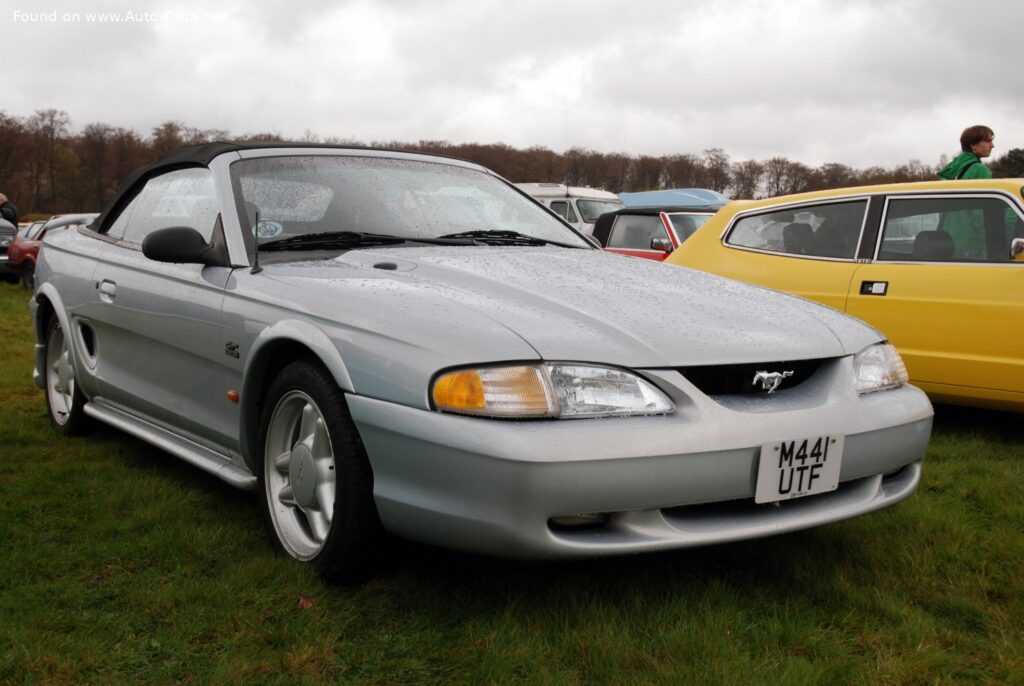
The Ford Mustang Convertible IV 4.6L V8 Cobra, produced between 1999 and 2005, represented a performance-oriented iteration of the fourth-generation (SN-95) Mustang. Positioned as the premium convertible trim, the Cobra offered a significant power upgrade over the base Mustang models, appealing to enthusiasts seeking a blend of open-air driving and robust V8 performance. This variant occupied the top tier of the convertible lineup, sitting above the standard V6 and GT models in terms of both price and capability. It was built on the Fox-4 platform, a modified version of the original Fox platform, and shared its basic architecture with other SN-95 Mustangs, but distinguished itself through unique engine components, suspension tuning, and styling cues.
Powertrain & Engine Architecture
The heart of the Mustang Cobra Convertible was the 4.6-liter Modular V8 engine, specifically the version designated for higher output. This engine, internally known as the Romeo engine, produced 324 horsepower at 6000 rpm and 430 Nm (317.15 lb-ft) of torque at 4750 rpm. The engine featured a 9.9:1 compression ratio, a naturally aspirated intake, and a dual overhead camshaft (DOHC) valvetrain with four valves per cylinder. Fuel delivery was managed by a multi-port fuel injection system. The engine block was constructed from cast iron, while the cylinder heads were aluminum alloy, contributing to a relatively lightweight design for a V8.
While a five-speed manual transmission was available on the coupe version, the Cobra Convertible was exclusively offered with a four-speed 4R70W automatic transmission. This transmission was chosen to provide a more comfortable and accessible driving experience for convertible buyers, prioritizing ease of use over outright performance. The 4R70W is a robust automatic known for its durability, but its gear ratios were tuned for a balance between acceleration and highway cruising, rather than aggressive track performance. The transmission featured electronic control for smoother shifting and adaptive shift patterns.
Engine Codes & Variations
The 4.6L V8 used in the 1999-2005 Cobra Convertible did not have a specific engine code designation like some earlier Ford engines. However, it’s important to note that the engine underwent revisions throughout the production run. Early models (1999-2001) featured a slightly different intake manifold and cylinder head design compared to later models (2003-2005). These later revisions aimed to improve airflow and increase power output, though the official horsepower rating remained at 324 hp.
Driving Characteristics
The Mustang Cobra Convertible, with its 324 hp and 4R70W automatic transmission, delivered a respectable level of performance. Acceleration from 0 to 60 mph was consistently reported around 5.2 to 5.5 seconds, and it could achieve a top speed of approximately 149.13 mph (240 km/h). However, the automatic transmission did result in some power loss compared to the manual transmission-equipped Cobra coupes. The 4R70W, while smooth, didn’t offer the same level of driver control or rapid gear changes as a manual gearbox.
In real-world driving, the Cobra Convertible felt powerful and responsive, particularly in the mid-range. The V8 provided ample torque for effortless cruising and quick overtaking maneuvers. The suspension, while tuned for comfort, offered reasonable handling characteristics, though it wasn’t as sharp or precise as some contemporary sports cars. The convertible top added weight to the vehicle, which slightly impacted handling and braking performance compared to the coupe.
Equipment & Trim Levels
The Cobra Convertible came standard with a comprehensive list of features, reflecting its position as the premium trim level. Standard equipment included leather upholstery, air conditioning, power windows and locks, a premium sound system, and 17-inch alloy wheels. Unique Cobra styling cues included a distinctive front fascia, side skirts, and a rear spoiler. Interior trim was typically dark gray or black leather.
Optional extras included a power-operated convertible top, upgraded sound systems, and various cosmetic enhancements. Many Cobras were also equipped with the “Premium” package, which added features such as automatic climate control and upgraded interior trim. The Cobra Convertible did not offer the same level of customization options as some other vehicles in its class, but it provided a well-equipped and stylish package as standard.
Chassis & Braking
The Mustang Cobra Convertible utilized a modified version of the SN-95 chassis, featuring a front independent suspension with wishbone configuration and a rear trailing arm suspension. The suspension was tuned to provide a balance between ride comfort and handling performance. Stabilizer bars were fitted to both the front and rear axles to reduce body roll during cornering.
Braking duties were handled by ventilated disc brakes on all four wheels, providing adequate stopping power for the vehicle’s weight and performance. An Anti-lock Braking System (ABS) was standard equipment. The tires were typically 245/45 R17, providing a good balance of grip and ride comfort. The rear brakes were discs, a step up from the drum brakes found on some lower-trim Mustang models.
Market Reception & Comparison
The Mustang Cobra Convertible was generally well-received by automotive critics, who praised its powerful engine, stylish design, and comfortable ride. However, some critics noted that the automatic transmission detracted from the overall driving experience compared to the manual transmission-equipped coupe. Fuel economy was also a concern, with reported figures of 18 l/100 km (13.1 US mpg) in urban driving and 10 l/100 km (23.5 US mpg) on the highway.
Compared to other trims in the Mustang lineup, the Cobra Convertible offered a significant performance advantage over the V6 and GT models. It was also more expensive, reflecting its higher level of equipment and performance. In the broader sports car market, the Cobra Convertible competed with vehicles such as the Chevrolet Camaro Convertible and the Pontiac Firebird Convertible. It offered a unique combination of American muscle car styling and open-air driving enjoyment.
Technical Specifications
| Brand | Ford |
| Model | Mustang |
| Generation | Mustang Convertible IV |
| Type (Engine) | 4.6 V8 32V Cobra (324 Hp) |
| Start of production | 1999 year |
| End of production | 2005 year |
| Fuel consumption (urban) | 18 l/100 km (13.1 US mpg) |
| Fuel consumption (extra urban) | 10 l/100 km (23.5 US mpg) |
| Fuel Type | Petrol (Gasoline) |
| Acceleration 0 – 100 km/h | 5.5 sec |
| Acceleration 0 – 60 mph | 5.2 sec |
| Maximum speed | 240 km/h (149.13 mph) |
| Kerb Weight | 1615 kg (3560.47 lbs) |
| Engine displacement | 4601 cm3 (280.77 cu. in.) |
| Number of cylinders | 8 |
| Power | 324 Hp @ 6000 rpm |
| Torque | 430 Nm @ 4750 rpm (317.15 lb.-ft. @ 4750 rpm) |
| Transmission | 4-speed automatic |
| Drive wheel | Rear wheel drive |
Legacy
The Mustang Cobra Convertible remains a popular choice among Mustang enthusiasts and collectors. The 4.6L Modular V8 engine is known for its reliability and durability, and the 4R70W automatic transmission is also generally considered to be a robust unit. However, like any older vehicle, regular maintenance is essential to ensure long-term reliability. Common issues include oil leaks, worn suspension components, and corrosion in areas exposed to the elements.
In the used car market, the Cobra Convertible typically commands a premium price compared to the base Mustang Convertibles. Well-maintained examples with low mileage are particularly sought after. The combination of its powerful engine, stylish design, and open-air driving experience continues to appeal to a wide range of buyers. The 1999-2005 Cobra Convertible represents a significant chapter in the Mustang’s history, embodying the spirit of American muscle car performance and style.