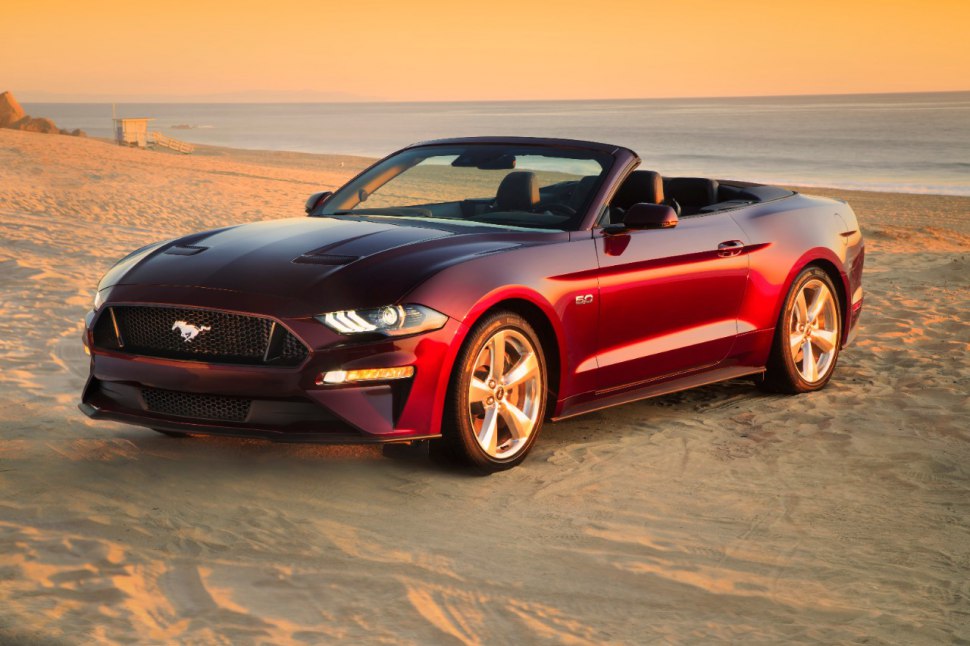
The Ford Mustang Convertible VI (facelift 2017), specifically the 2.3 GTDi EcoBoost variant with the SelectShift automatic transmission, represents a significant evolution in the storied lineage of the Mustang. Produced from 2017 to 2023, this refreshed model refined the S550’s aesthetics and technology, offering a compelling blend of classic Mustang appeal with modern efficiency and performance. This variant occupied a mid-range position within the sixth-generation Mustang lineup, serving as a more accessible and fuel-efficient alternative to the V8-powered GT and a more performance-oriented option than the base EcoBoost models. It catered to a broad audience seeking the iconic Mustang experience without the higher price tag or fuel consumption associated with the larger engines.
Powertrain & Engine Architecture
At the heart of the 2017 facelifted Mustang Convertible lies the 2.3-liter GTDi EcoBoost engine. This inline four-cylinder engine, displacing 2254 cm3 (137.55 cubic inches), is a key example of Ford’s commitment to forced induction and direct fuel injection. Unlike traditional naturally aspirated engines, the EcoBoost utilizes a twin-scroll turbocharger and intercooler to deliver substantial power from a relatively small displacement. The engine code is generally recognized as the 2.3L EcoBoost, though specific variations exist depending on the model year and market.
The engine produces 310 horsepower at 5500 rpm and 350.34 lb.-ft. (475 Nm) of torque at 3000 rpm. This broad torque curve provides responsive acceleration and strong mid-range pull. The engine is front-mounted and longitudinal, driving the rear wheels through a sophisticated drivetrain. Fuel delivery is managed by high-pressure direct injection, optimizing combustion efficiency and power output. The valvetrain features dual overhead camshafts (DOHC) with four valves per cylinder, contributing to improved breathing and overall engine performance.
The 2017 facelift saw the adoption of Ford’s 10-speed SelectShift automatic transmission, replacing the previous six-speed unit. This transmission, co-developed with General Motors, offers a wider gear ratio spread, allowing the engine to operate more frequently within its optimal power band. Drivers can utilize paddle shifters for manual gear selection, enhancing the driving experience. The transmission’s programming is tuned for both performance and fuel efficiency, adapting to driving conditions and driver input.
Driving Characteristics
The 2.3-liter EcoBoost engine paired with the 10-speed automatic transmission delivers a distinct driving experience compared to the V8-powered GT or manual transmission EcoBoost models. While lacking the raw power and visceral sound of the V8, the EcoBoost offers a more refined and accessible driving experience. The turbocharger provides a noticeable surge of power, particularly in the mid-range, making it well-suited for everyday driving and spirited acceleration. The 10-speed automatic transmission shifts smoothly and efficiently, contributing to a comfortable and responsive ride.
Compared to the manual transmission EcoBoost, the automatic version offers greater convenience and ease of use, particularly in stop-and-go traffic. However, it may sacrifice some of the driver engagement and control offered by the manual gearbox. The gear ratios are optimized for both acceleration and fuel economy, providing a balance between performance and efficiency. The Mustang’s independent rear suspension contributes to improved handling and ride quality, making it a more capable and enjoyable car to drive on winding roads.
Equipment & Trim Levels
The 2017 Ford Mustang Convertible VI (facelift) 2.3 EcoBoost Automatic typically came standard with features such as cloth upholstery, air conditioning, a rearview camera, Ford’s SYNC infotainment system with a touchscreen display, and basic safety features like anti-lock brakes and stability control. The interior dashboard configuration featured a driver-focused layout with analog gauges and a center-mounted touchscreen.
Optional extras included leather upholstery, heated and ventilated front seats, a premium audio system, blind-spot monitoring, rear cross-traffic alert, and adaptive cruise control. Appearance packages were also available, offering unique styling cues such as different wheels, spoilers, and body kits. The Convertible also included a power-operated soft top, available in various colors.
Chassis & Braking
The S550 Mustang generation, including the 2017 facelift, benefited from a significant upgrade in chassis technology with the introduction of an independent rear suspension. This multi-link rear suspension replaced the solid rear axle of previous generations, resulting in improved ride quality, handling, and overall stability. The front suspension consists of an independent McPherson strut setup with coil springs and an anti-roll bar.
Braking duties are handled by ventilated discs at all four corners, providing ample stopping power. The Mustang is equipped with an Anti-lock Braking System (ABS) and Electronic Stability Control (ESC) for enhanced safety and control. The steering system is a precise rack-and-pinion type, offering good feedback to the driver. Stabilizer bars are present at both the front and rear, further enhancing handling performance. The curb weight of this variant is approximately 3712.58 lbs. (1684 kg).
Market Reception & Comparison
Critics generally praised the 2017 Mustang Convertible 2.3 EcoBoost Automatic for its blend of performance, efficiency, and affordability. The EcoBoost engine was lauded for its responsiveness and torque, while the 10-speed automatic transmission was praised for its smooth shifting and intelligent programming. The independent rear suspension was a major improvement over previous generations, enhancing the Mustang’s handling and ride quality.
Compared to the V8-powered GT, the EcoBoost offered better fuel economy and a lower price point, making it a more practical choice for many buyers. However, it lacked the raw power and exhaust note of the V8. Compared to other trims in the lineup, the EcoBoost Automatic provided a compelling balance of performance and efficiency, appealing to a broader audience. Fuel economy is rated at 25 US mpg (combined), with highway figures reaching 31.4 US mpg. Reliability has generally been good, with few major issues reported.
Technical Specifications
| Brand | Ford |
| Model | Mustang Convertible VI (facelift 2017) |
| Engine Type | 2.3 GTDi EcoBoost (310 Hp) SelectShift |
| Production Start | 2017 year |
| Production End | 2023 year |
| Powertrain Architecture | Internal Combustion Engine |
| Body Type | Cabriolet |
| Seats | 4 |
| Doors | 2 |
| Fuel Consumption (Urban) | 11.2 l/100 km (21 US mpg) |
| Fuel Consumption (Extra Urban) | 7.5 l/100 km (31.4 US mpg) |
| Fuel Consumption (Combined) | 9.4 l/100 km (25 US mpg) |
| Fuel Type | Petrol (Gasoline) |
| Weight-to-Power Ratio | 5.4 kg/Hp (184.1 Hp/tonne) |
| Weight-to-Torque Ratio | 3.5 kg/Nm (282.1 Nm/tonne) |
| Power | 310 Hp @ 5500 rpm |
| Power per Liter | 137.5 Hp/l |
| Torque | 475 Nm @ 3000 rpm (350.34 lb.-ft. @ 3000 rpm) |
| Engine Layout | Front, Longitudinal |
| Engine Displacement | 2254 cm3 (137.55 cu. in.) |
| Number of Cylinders | 4 |
| Engine Configuration | Inline |
| Compression Ratio | 9.5:1 |
| Fuel Injection System | Direct Injection |
| Engine Aspiration | Turbocharger, Intercooler |
| Kerb Weight | 1684 kg (3712.58 lbs.) |
| Trunk (Boot) Space – Minimum | 323 l (11.41 cu. ft.) |
| Fuel Tank Capacity | 59 l (15.59 US gal) |
Legacy
The Ford Mustang Convertible VI (facelift 2017) 2.3 EcoBoost Automatic has proven to be a reliable and enjoyable vehicle in the used car market. The EcoBoost engine has a good reputation for durability, and the 10-speed automatic transmission has also proven to be relatively trouble-free. These models continue to be popular among enthusiasts and casual drivers alike, offering a compelling combination of style, performance, and affordability. The independent rear suspension and modern features contribute to a more refined and enjoyable driving experience compared to older Mustang generations. As a result, well-maintained examples of this variant hold their value reasonably well, making them a desirable option for those seeking an iconic American sports car.