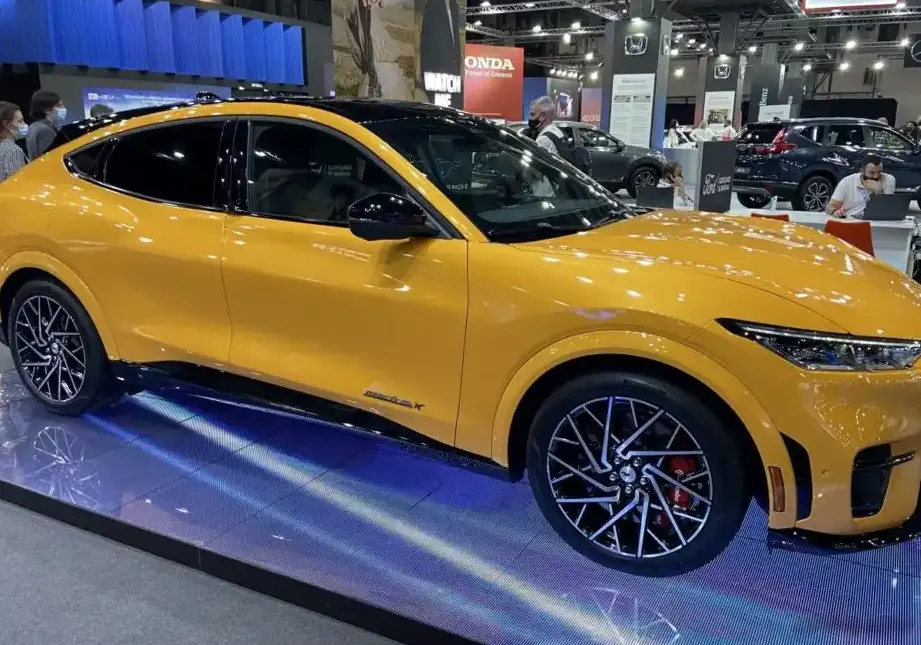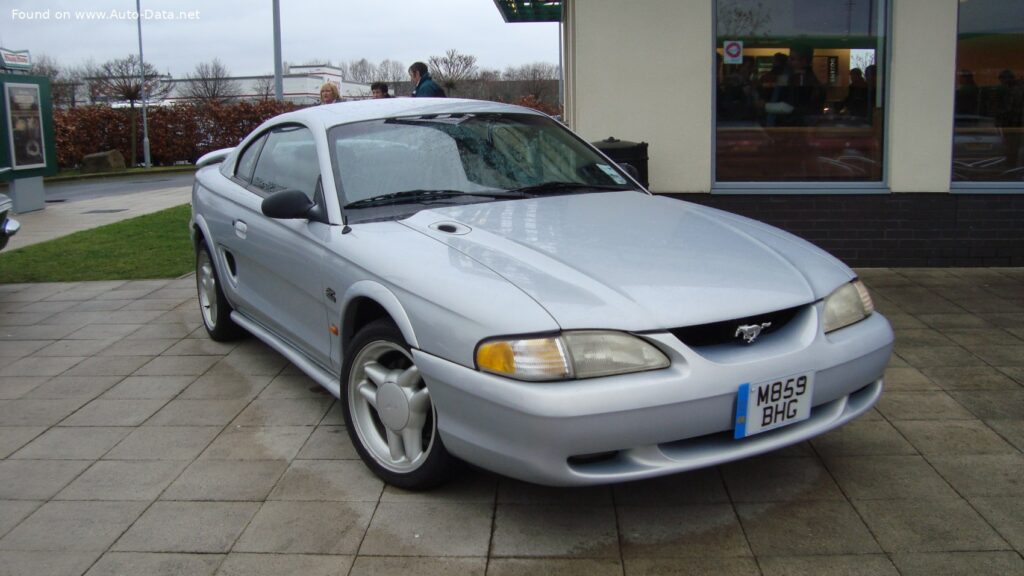
The Ford Mustang IV, internally designated SN95, marked a pivotal redesign for the iconic American pony car, debuting in 1994 after a 15-year hiatus from a complete overhaul of the chassis. The Ford Mustang IV 4.6 V8 GT (263 Hp), produced between 1998 and 2004, specifically embodies the “New Edge” styling introduced in 1999, coupled with the potent Modular V8 engine that defined its performance. This generation aimed to modernize the Mustang while preserving its core muscle car identity, appealing to a broad audience seeking a blend of performance, style, and value. The 4.6L GT occupied a mid-range position within the Mustang IV lineup, sitting above the V6 models and below any potential special edition or higher-performance variants that might have been offered in limited quantities.
Powertrain & Engine Architecture
At the heart of the Ford Mustang IV 4.6 V8 GT (263 Hp) lies the 4.6-liter “Modular” V8 engine. This engine, a cornerstone of Ford’s performance offerings during the late 1990s and early 2000s, is characterized by its robust construction and relatively smooth power delivery. The engine code for this specific iteration is often identified as 99WSFI. It features a single overhead camshaft (SOHC) design with two valves per cylinder. Displacement measures 4601 cubic centimeters (280.77 cubic inches), producing 263 horsepower at 5250 rpm and 302 lb-ft of torque at 4000 rpm.
The engine is configured in a front-longitudinal layout, channeling power to the rear wheels – a traditional setup for American muscle cars. The 4.6L V8 utilizes a multi-port fuel injection system and a compression ratio of 9.4:1. The standard transmission for the GT was a 5-speed manual, but a 4-speed 4R70W automatic transmission was also available, and is the focus of this article. This automatic transmission is a four-speed electronically controlled unit known for its durability and relatively smooth shifts. It features a torque converter lockup clutch to improve fuel efficiency at highway speeds. Gear ratios were tailored to balance acceleration and cruising comfort, with first gear optimized for quick starts and fourth gear for relaxed highway driving. The automatic transmission was a popular choice for buyers prioritizing ease of use and convenience over ultimate performance.
Automatic Transmission Details
The 4R70W automatic transmission used in the Mustang GT is a robust unit, but it does have some known weaknesses. Early versions (1998-2000) were prone to issues with the valve body and torque converter, leading to harsh shifting or failure. Ford addressed these issues with revisions in later model years (2001-2004). Regular transmission fluid changes are crucial for maintaining the longevity of this transmission. The transmission’s control module (TCM) manages shift points and torque converter lockup based on vehicle speed, throttle position, and other sensor inputs.
Driving Characteristics
The 1998-2004 Mustang GT with the 4.6L V8 and 4-speed automatic transmission delivers a distinct driving experience. Compared to the manual transmission version, the automatic offers smoother acceleration and eliminates the need for clutch operation. However, it does result in a slight performance deficit due to the inherent power loss in the torque converter and the less precise shift timing. The 0-60 mph time is typically around 5.5-5.8 seconds, slightly slower than the manual version’s 5.2 seconds.
The automatic transmission’s gear ratios are optimized for everyday driving, providing adequate acceleration in most situations. The torque converter multiplies engine torque at low speeds, enhancing off-the-line performance. However, the four-speed configuration limits the Mustang’s ability to maintain optimal engine rpm at higher speeds, potentially impacting fuel economy and responsiveness during aggressive driving. The overall driving experience is characterized by a comfortable ride, a distinctive V8 exhaust note, and a sense of American muscle car heritage. While not as engaging as the manual transmission version, the automatic Mustang GT offers a compelling blend of performance and convenience.
Equipment & Trim Levels
The Mustang GT with the 4.6L V8 and automatic transmission came standard with a range of features designed to enhance both comfort and performance. Standard interior appointments included cloth bucket seats, air conditioning, power windows and locks, and an AM/FM stereo with a CD player. The instrument cluster featured a prominent tachometer and speedometer, along with gauges for coolant temperature, fuel level, and oil pressure. Exterior features included a rear spoiler, color-keyed side moldings, and 16-inch alloy wheels.
Optional extras were plentiful, allowing buyers to customize their Mustang GT to their preferences. Popular options included leather upholstery, a premium sound system, power driver’s seat, and a sunroof. Performance-enhancing options, such as a limited-slip differential and upgraded suspension components, were also available. The “New Edge” styling update introduced in 1999 brought a more modern and aggressive appearance, with revised headlights, taillights, and body lines. The GT trim level was consistently positioned as the performance-oriented option, offering a more aggressive look and a more powerful engine compared to the base V6 models.
Chassis & Braking
The Mustang IV chassis utilizes a traditional front suspension with MacPherson struts and a multi-link rear suspension. The GT models typically featured thicker stabilizer bars compared to the V6 models, improving handling and reducing body roll. The braking system consists of ventilated disc brakes at the front and rear, providing adequate stopping power for spirited driving. Anti-lock Braking System (ABS) was standard equipment, enhancing safety and control during emergency braking situations. The GT models also featured a slightly stiffer suspension tuning compared to the V6 models, further enhancing handling performance. Tire size was typically 225/55R16, providing a good balance of grip and ride comfort.
Market Reception & Comparison
The Ford Mustang IV 4.6 V8 GT (263 Hp) with the automatic transmission received generally positive reviews from automotive critics. It was praised for its strong V8 engine, comfortable ride, and classic American muscle car styling. However, some critics noted that the automatic transmission slightly diminished the driving experience compared to the manual version. Fuel economy was also a point of criticism, as the V8 engine consumed a significant amount of gasoline.
Compared to other trims in the Mustang IV lineup, the GT offered a significant performance upgrade over the V6 models. It was also more affordable than potential special edition or higher-performance variants. In terms of reliability, the 4.6L Modular V8 engine proved to be relatively durable, but the 4R70W automatic transmission was known to have some issues, particularly in earlier model years. Overall, the Mustang GT with the automatic transmission represented a compelling value proposition for buyers seeking a powerful and stylish American sports coupe.
Technical Specifications
| Category | Specification |
| Brand | Ford |
| Model | Mustang |
| Generation | Mustang IV |
| Type (Engine) | 4.6 V8 GT (263 Hp) |
| Start of Production | 1998 year |
| End of Production | 2004 year |
| Powertrain Architecture | Internal Combustion Engine |
| Body type | Coupe |
| Seats | 4 |
| Doors | 2 |
| Fuel Consumption (City) | 13.8 l/100 km (17 US mpg) |
| Fuel Consumption (Highway) | 9.8 l/100 km (24 US mpg) |
| Fuel Type | Petrol (Gasoline) |
| Acceleration 0 – 60 mph | 5.5 sec |
| Acceleration 0 – 100 km/h | 5.5 sec |
| Maximum Speed | 222 km/h (137.94 mph) |
| Weight-to-Power Ratio | 5.8 kg/Hp (171.9 Hp/tonne) |
| Power | 263 Hp @ 5250 rpm |
| Torque | 302 Nm @ 4000 rpm (222.74 lb.-ft. @ 4000 rpm) |
| Engine Displacement | 4601 cm³ (280.77 cu. in.) |
| Number of Cylinders | 8 |
| Compression Ratio | 9.4:1 |
| Number of Gears and Type of Gearbox | 4 gears, automatic transmission |
Legacy
The Ford Mustang IV 4.6 V8 GT (263 Hp) with the automatic transmission remains a popular choice among enthusiasts and collectors today. Its combination of classic American muscle car styling, robust V8 engine, and relatively affordable price point makes it an attractive option in the used car market. The 4.6L Modular V8 engine is known for its durability and tunability, and the 4R70W automatic transmission, while prone to some issues, can be rebuilt or upgraded to improve reliability. These Mustangs are often sought after for restoration projects or as a base for building high-performance street machines. The “New Edge” styling has aged well, and the Mustang GT continues to be recognized as a significant chapter in the Mustang’s storied history. Its enduring appeal is a testament to its blend of performance, style, and value, solidifying its place as a modern classic.