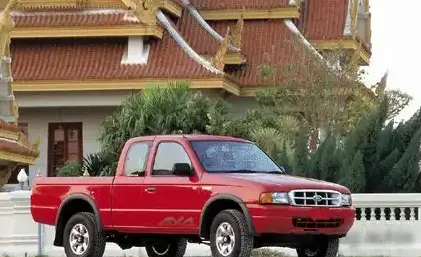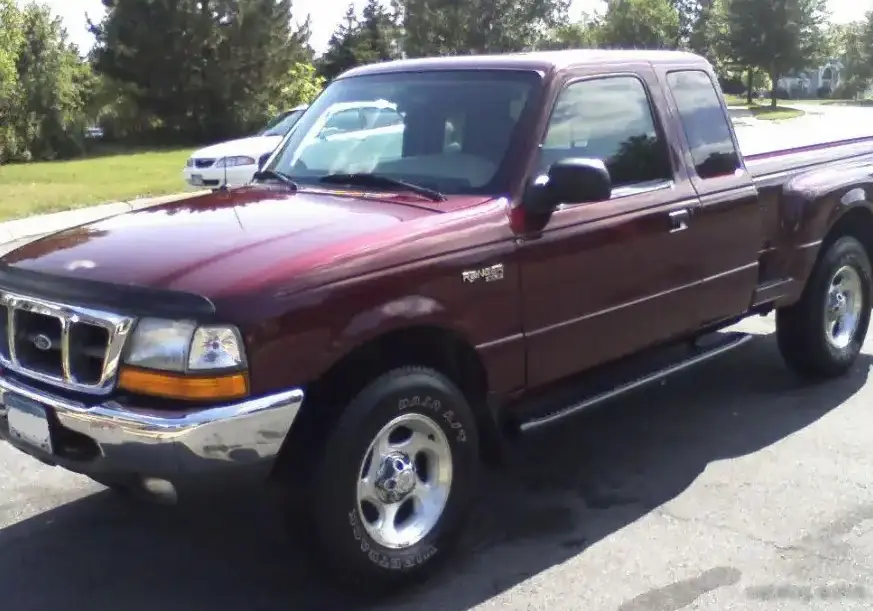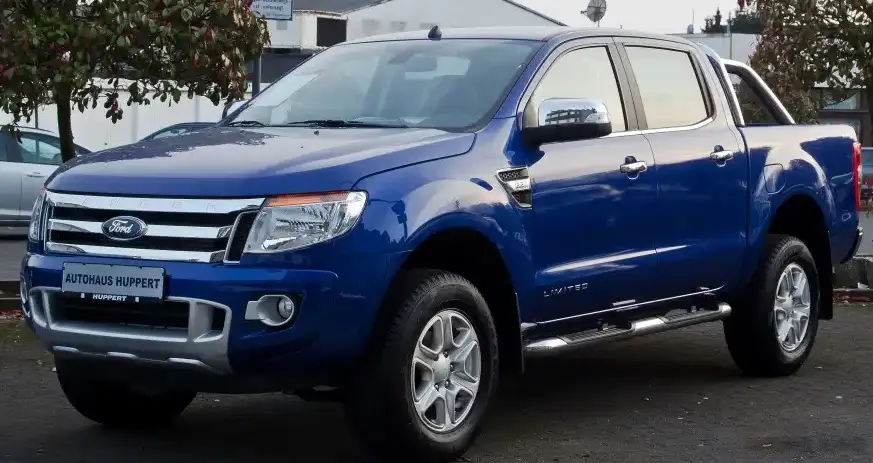
The Ford Ranger III Double Cab 3.2 TDCi 4×4 Automatic, produced between 2011 and 2015, represented a significant step forward for Ford’s mid-size pickup truck offering in the global market. Built upon the T6 platform, this variant aimed to provide a blend of workhorse capability with increased passenger comfort and convenience. Positioned as a mid-to-upper trim level within the Ranger III lineup, it catered to buyers needing both hauling capacity and family-friendly space. This model was particularly popular in markets outside of North America, where smaller pickup trucks remained a dominant force. The 3.2-liter TDCi engine and six-speed automatic transmission combination offered a balance between power, efficiency, and ease of use, making it a versatile option for a wide range of applications.
Technical Specifications
| Brand | Ford |
| Model | Ranger |
| Generation | Ranger III Double Cab |
| Type (Engine) | 3.2 TDCi (200 Hp) 4×4 Automatic |
| Start of production | 2011 |
| End of production | 2015 |
| Powertrain Architecture | Internal Combustion engine |
| Body type | Pick-up |
| Seats | 5 |
| Doors | 4 |
| Fuel consumption (urban) | 13.1 l/100 km (18 US mpg, 21.6 UK mpg, 7.6 km/l) |
| Fuel consumption (extra urban) | 8.9 l/100 km (26.4 US mpg, 31.7 UK mpg, 11.2 km/l) |
| Fuel consumption (combined) | 10.4 l/100 km (22.6 US mpg, 27.2 UK mpg, 9.6 km/l) |
| CO2 emissions | 274 g/km |
| Fuel Type | Diesel |
| Acceleration 0 – 100 km/h | 10.4 sec |
| Acceleration 0 – 62 mph | 10.4 sec |
| Acceleration 0 – 60 mph | 9.9 sec |
| Maximum speed | 175 km/h (108.74 mph) |
| Emission standard | Euro 4 |
| Weight-to-power ratio | 10.4 kg/Hp, 96 Hp/tonne |
| Weight-to-torque ratio | 4.4 kg/Nm, 225.6 Nm/tonne |
| Power | 200 Hp @ 3000 rpm |
| Power per litre | 62.5 Hp/l |
| Torque | 470 Nm @ 1500-2750 rpm (346.65 lb.-ft. @ 1500-2750 rpm) |
| Engine layout | Front, Longitudinal |
| Engine displacement | 3198 cm3 (195.15 cu. in.) |
| Number of cylinders | 5 |
| Engine configuration | Inline |
| Cylinder Bore | 89.9 mm (3.54 in.) |
| Piston Stroke | 100.8 mm (3.97 in.) |
| Compression ratio | 15.7:1 |
| Number of valves per cylinder | 4 |
| Fuel injection system | Diesel Commonrail |
| Engine aspiration | Turbocharger, Intercooler |
| Engine oil capacity | 9.75 l (10.3 US qt, 8.58 UK qt) |
| Coolant capacity | 13.5 l (14.27 US qt, 11.88 UK qt) |
| Kerb Weight | 2083 kg (4592.23 lbs.) |
| Max. weight | 3200 kg (7054.79 lbs.) |
| Max load | 1117 kg (2462.56 lbs.) |
| Trunk (boot) space – minimum | 1210 l (42.73 cu. ft.) |
| Fuel tank capacity | 80 l (21.13 US gal, 17.6 UK gal) |
| Length | 5359 mm (210.98 in.) |
| Width | 1850 mm (72.83 in.) |
| Height | 1815 mm (71.46 in.) |
| Wheelbase | 3220 mm (126.77 in.) |
| Front track | 1560 mm (61.42 in.) |
| Rear (Back) track | 1560 mm (61.42 in.) |
| Ride height (ground clearance) | 229 mm (9.02 in.) |
| Drag coefficient (Cd) | 0.40 |
| Drive wheel | All wheel drive (4×4) |
| Number of gears and type of gearbox | 6 gears, automatic transmission |
| Front suspension | Independent coil spring |
| Rear suspension | Dependent suspension of two longitudinal semi-elliptic leaf springs |
| Front brakes | Ventilated discs |
| Rear brakes | Drum |
| Assisting systems | ABS (Anti-lock braking system) |
| Steering type | Steering rack and pinion |
| Power steering | Hydraulic Steering |
| Tires size | 255/70 R16; 255/55 R16; 265/65 R17; 265/60 R18 |
| Wheel rims size | 16; 17; 18 |
Powertrain & Engine Architecture
The heart of this Ranger variant is the 3.2-liter TDCi (Turbo Diesel Commonrail Injection) inline five-cylinder engine. This engine, part of Ford’s Duratorq family, is known for its robust construction and relatively smooth operation for a diesel. The ‘Puma’ engine, as it’s often referred to, utilizes a cast iron block and aluminum cylinder head. The common rail direct injection system, supplied by Bosch, delivers fuel at extremely high pressures, optimizing combustion efficiency and reducing emissions. A variable geometry turbocharger (VGT) with an intercooler further enhances performance by providing increased air intake. The engine produces 200 horsepower at 3000 rpm and a substantial 470 Nm (346.65 lb-ft) of torque between 1500 and 2750 rpm. This broad torque curve is particularly beneficial for towing and hauling. The six-speed automatic transmission, sourced from ZF, was chosen for its durability and smooth shifting characteristics. It’s a conventional torque converter automatic, offering a balance between responsiveness and comfort. The transmission is programmed to prioritize fuel efficiency while still providing adequate performance for most driving situations.
Driving Characteristics
The 3.2 TDCi automatic Ranger Double Cab delivers a comfortable and capable driving experience. While not a sports truck, the engine’s torque output provides ample power for everyday driving and hauling loads. Acceleration from 0-60 mph takes around 9.9 seconds, which is respectable for a vehicle of this size and weight. The automatic transmission shifts smoothly, although it can sometimes feel hesitant during quick acceleration. The gear ratios are well-suited for both on-road cruising and off-road crawling. Compared to the manual transmission versions of the same engine, the automatic offers greater convenience, especially in stop-and-go traffic. However, it does result in a slight decrease in fuel economy and a less engaging driving experience. Compared to the 2.5-liter versions, the 3.2 TDCi provides a noticeable increase in power and torque, making it a better choice for those who frequently tow or carry heavy loads.
Equipment & Trim Levels
The Double Cab 3.2 TDCi Automatic typically came well-equipped, reflecting its position as a mid-to-upper trim level. Standard features often included air conditioning, power windows and locks, a basic audio system with CD player, and alloy wheels. Higher trim levels added features such as leather upholstery, a more advanced audio system with Bluetooth connectivity, cruise control, and a sunroof. Safety features included ABS brakes, driver and passenger airbags, and a reinforced safety cell. Optional extras included a navigation system, parking sensors, and a tow package.
Chassis & Braking
The Ranger III Double Cab utilizes a body-on-frame construction, providing a robust and durable platform. The front suspension consists of independent coil springs, while the rear suspension employs a traditional leaf spring setup. This configuration provides a good balance between ride comfort and load-carrying capacity. Braking duties are handled by ventilated discs at the front and drum brakes at the rear. ABS (Anti-lock Braking System) is standard, enhancing safety during emergency braking situations. The steering is a hydraulic rack and pinion system, providing precise and responsive handling.
Market Reception & Comparison
The Ford Ranger III Double Cab 3.2 TDCi Automatic was generally well-received by automotive critics. It was praised for its comfortable ride, spacious interior, and capable powertrain. However, some critics noted that the automatic transmission could feel sluggish at times and that the fuel economy was not class-leading. Compared to competitors such as the Toyota Hilux and Nissan Navara, the Ranger offered a more modern interior and a more refined driving experience. The 3.2 TDCi engine provided a good balance between power and fuel efficiency, making it a competitive option in its segment.
Legacy
The 3.2 TDCi engine and six-speed automatic transmission combination proved to be relatively reliable, with many examples still on the road today. While routine maintenance is essential, the powertrain is generally known for its durability. Common issues include turbocharger wear and potential problems with the fuel injection system, but these are typically addressed with regular servicing. In the used car market, the Ranger III Double Cab 3.2 TDCi Automatic remains a popular choice for those seeking a capable and versatile pickup truck. Its blend of practicality, comfort, and reliability continues to appeal to a wide range of buyers.