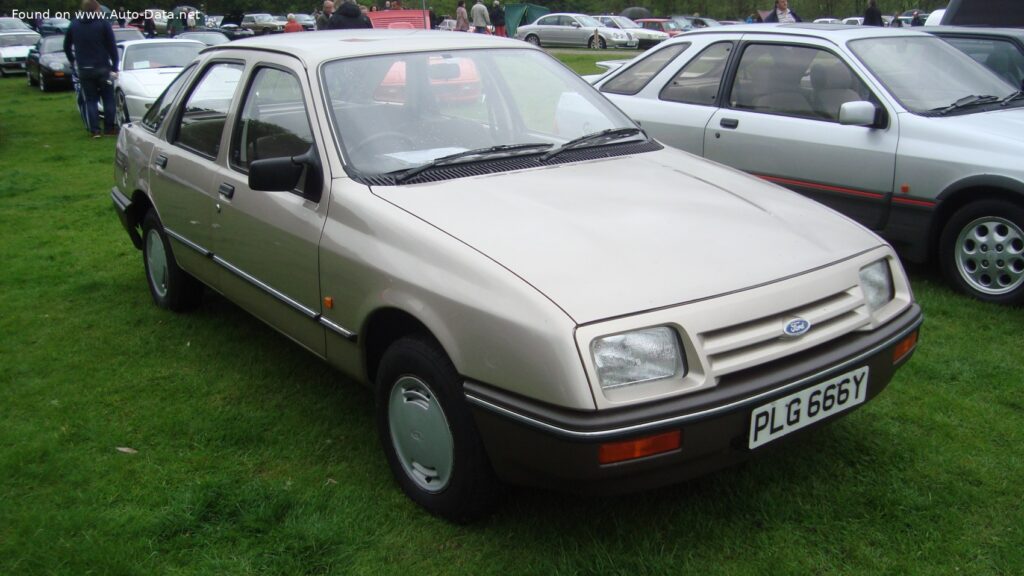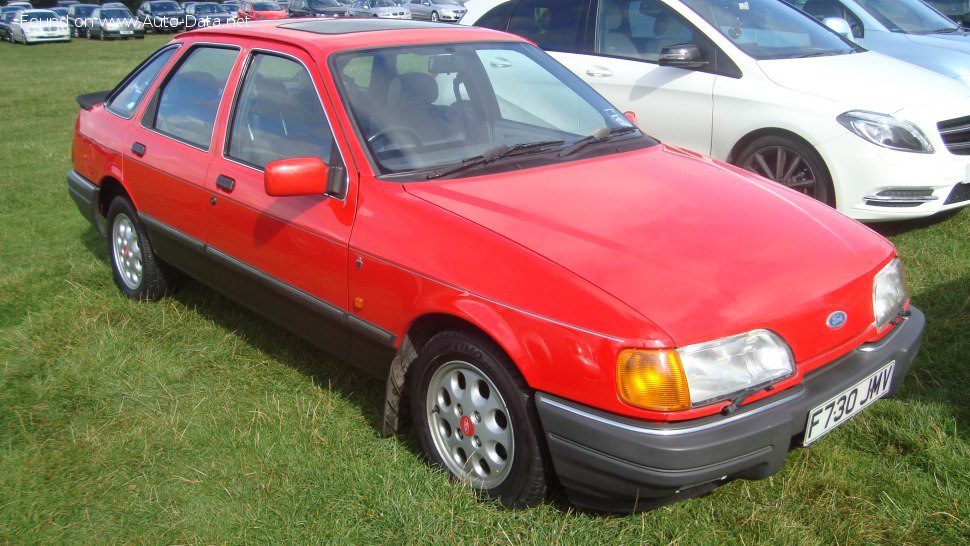
The Ford Sierra Cosworth 4×4, specifically the 2.0 16V variant produced from 1990 to 1993, represents a pivotal moment in Ford’s performance car history. While the Sierra itself was a mainstream family car designed to replace the aging Cortina and Taunus, the Cosworth versions – and particularly the 4×4 – were homologation specials built to dominate Group A touring car and rally championships. This wasn’t simply a faster Sierra; it was a technologically advanced, aggressively styled machine that cemented Ford’s reputation for motorsport success and remains a highly sought-after classic today. The Sierra Cosworth 4×4 was never officially sold in the United States due to differing market preferences and emissions regulations at the time, but its impact resonated globally within enthusiast circles.
The Ford Sierra Cosworth 4×4: A Legacy of Performance
The Sierra Cosworth’s development stemmed from Ford’s desire to compete in the highly competitive Group A touring car and rally series of the late 1980s and early 1990s. Group A regulations required manufacturers to produce a certain number of road-going versions of their competition cars, leading to the creation of the Sierra Cosworth. The initial Sierra Cosworth, launched in 1986, featured a rear-wheel-drive layout. However, to further enhance its competitiveness, particularly in rally racing, Ford developed the 4×4 version, introducing it in 1990. This model incorporated a sophisticated all-wheel-drive system, significantly improving traction and handling. The 2.0 16V engine was a key component, offering increased power and responsiveness compared to earlier iterations.
Engine & Performance
The heart of the Sierra Cosworth 4×4 is its 1,994 cc (2.0 liter) YB series inline-four engine. This engine, developed by Cosworth – a renowned British engineering firm with a long history in motorsport – featured a 16-valve cylinder head, a Garrett T25 turbocharger, and Bosch fuel injection. The 2.0 16V version produced 220 horsepower and approximately 200 lb-ft of torque. This power output, combined with the all-wheel-drive system, allowed the Sierra Cosworth 4×4 to accelerate from 0 to 60 mph in around 5.8 seconds, a remarkable figure for a family-derived hatchback of that era.
The all-wheel-drive system itself was a complex piece of engineering. It utilized a Ferguson-Panhard viscous coupling to distribute torque between the front and rear axles. This system was fully automatic, reacting to wheel slip to provide optimal traction. The transmission was a five-speed manual gearbox, specifically strengthened to handle the engine’s power and the demands of spirited driving. The suspension was also upgraded, featuring stiffer springs, dampers, and anti-roll bars to improve handling and reduce body roll. The engine’s responsiveness and the effectiveness of the all-wheel-drive system made the Sierra Cosworth 4×4 a formidable performer on both the road and the rally stage.
Design & Features
The Sierra Cosworth’s design was instantly recognizable, largely due to its large rear wing, aggressive body kit, and distinctive front bumper with integrated fog lights. These aerodynamic enhancements weren’t merely cosmetic; they were functional, designed to improve stability at high speeds. The rear wing, in particular, was a defining feature, contributing to increased downforce. The body kit included extended wheel arches to accommodate the wider tires and track.
Inside, the Sierra Cosworth featured supportive Recaro seats, a leather-wrapped steering wheel, and a unique instrument cluster with additional gauges to monitor engine performance. While the Sierra’s interior was generally functional rather than luxurious, the Cosworth models received a higher level of trim and equipment. Safety features, while limited by the standards of the time, included seatbelts and a reinforced safety cell. The focus, however, was clearly on performance and driver engagement. The hatchback body style provided practicality, but the Cosworth was primarily intended as a driver’s car, prioritizing handling and speed over outright comfort.
The Sierra Cosworth 4×4 was available in a limited range of colors, typically including black, white, and metallic blue. These colors complemented the car’s aggressive styling and reinforced its performance image. The car’s overall design represented a departure from the more conservative styling of the standard Sierra, signaling its unique position within the Ford lineup.
Technical Specifications
| Brand | Ford |
| Model | Sierra |
| Generation | Sierra Hatchback II |
| Type (Engine) | 2.0 16V Cosworth 4×4 (220 Hp) |
| Start of production | 1990 |
| End of production | 1993 |
| Powertrain Architecture | Internal Combustion engine |
| Body type | Hatchback |
| Fuel Type | Petrol (Gasoline) |
| Engine Power | 220 Hp |
| Engine Aspiration | Naturally aspirated engine |
| Engine Displacement | 1,994 cc (2.0 Liters) |
| Transmission | 5-speed Manual |
| Drivetrain | All-Wheel Drive |
| Turbocharger | Garrett T25 |
The Ford Sierra Cosworth 4×4 remains a highly collectible and respected performance car. Its success in motorsport, combined with its limited production numbers and distinctive styling, has ensured its enduring appeal. It represents a golden era of Ford performance, showcasing the company’s commitment to engineering excellence and its passion for competition. While never officially available in the US market, the Sierra Cosworth 4×4’s legacy extends far beyond its European origins, captivating enthusiasts worldwide with its raw power, sophisticated technology, and iconic design.