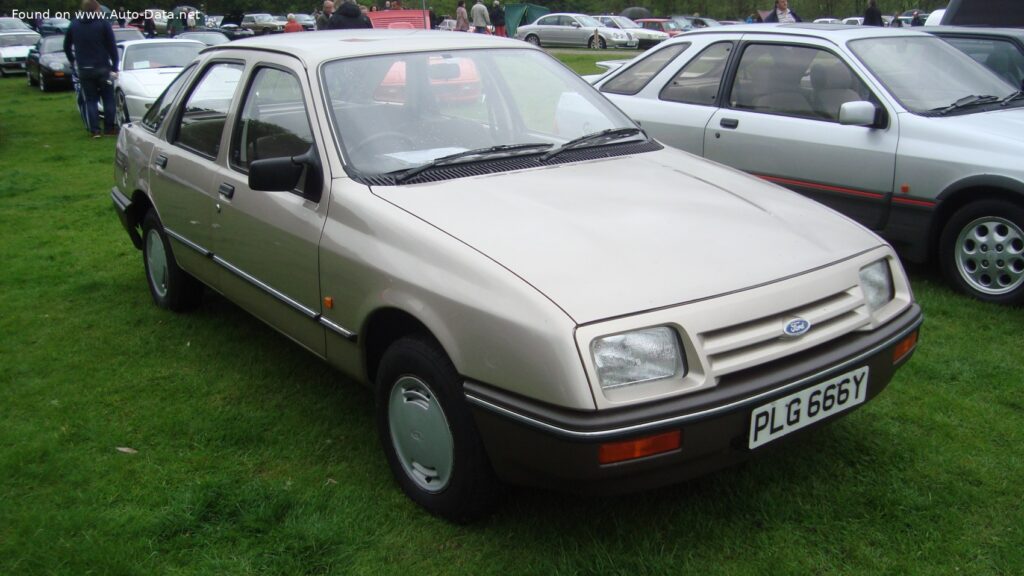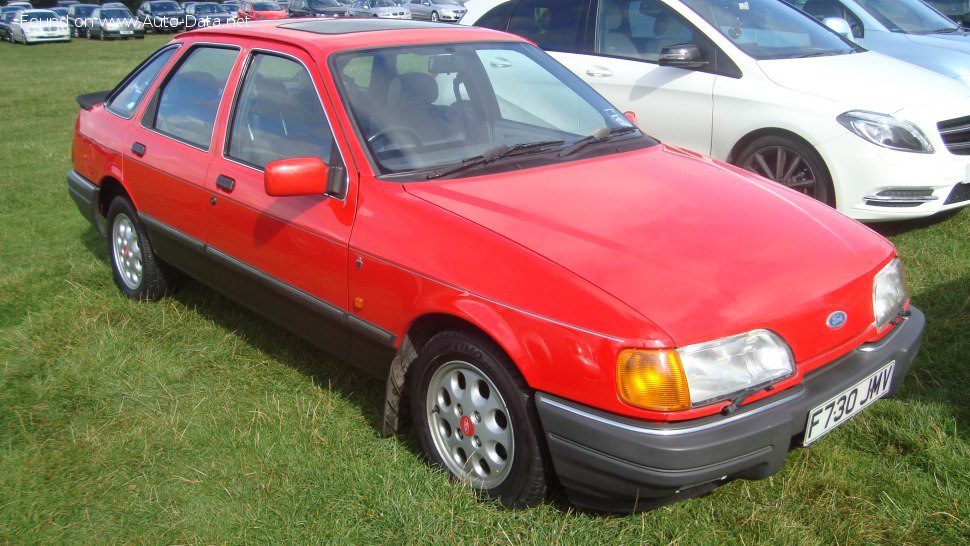
The Ford Sierra RS Cosworth is a high-performance variant of the Ford Sierra, produced between 1986 and 1990. Specifically, the 2.0-liter RS Cosworth, introduced in 1987, represents a pivotal moment in Ford’s history, bridging the gap between rally-bred engineering and attainable performance for the everyday driver. While the Sierra itself was a relatively common family car in Europe, the RS Cosworth was a homologation special, built to meet the requirements for Group A rallying. This meant a limited production run of road-going cars were necessary to allow the Sierra to compete in motorsport. The Sierra RS Cosworth quickly gained a cult following, celebrated for its aggressive styling, potent engine, and exceptional handling. It was never officially sold in the United States, but its impact on the performance car landscape was felt globally, influencing subsequent Ford models and inspiring a generation of enthusiasts.
The Ford Sierra RS Cosworth: A Rally-Inspired Icon
The Sierra RS Cosworth wasn’t simply a faster version of the standard Sierra hatchback; it was a fundamentally different machine. Developed in collaboration with Cosworth, a renowned British engine manufacturer with a long history in Formula 1, the RS Cosworth was designed from the ground up for performance. The car’s distinctive features, including its large rear wing, blistered wheel arches, and aggressive front bumper, weren’t merely cosmetic; they were functional aerodynamic aids designed to improve stability at high speeds. The Sierra RS Cosworth was a key player in Ford’s successful rally campaigns during the late 1980s, achieving numerous victories and solidifying its reputation as a formidable competitor.
Engine & Performance
The heart of the Sierra RS Cosworth is its 1,994 cc (2.0L) YB series inline-four engine. This engine, while based on Ford’s existing production block, was heavily modified by Cosworth. Key upgrades included a Cosworth-designed cylinder head with larger valves and ports, a Garrett T25 turbocharger, and low-compression pistons. These modifications resulted in an output of 204 horsepower and 200 lb-ft of torque. The engine was paired with a five-speed manual transmission and a rear-wheel-drive layout. This combination provided exhilarating acceleration and responsive handling. The 0 to 60 mph sprint was achieved in approximately 6.5 seconds, and the car had a top speed of around 143 mph. While these figures may seem modest by modern standards, they were impressive for a production car of the late 1980s. The engine’s responsiveness and the car’s well-balanced chassis made it a joy to drive on both the road and the track. The YB engine proved remarkably robust and tunable, becoming a favorite among performance enthusiasts who sought to extract even more power from it.
Design & Features
The Sierra RS Cosworth’s design was dictated by its purpose: to be a successful rally car. The large rear wing was crucial for generating downforce, improving stability at high speeds, particularly during cornering. The blistered wheel arches were necessary to accommodate the wider tires and upgraded suspension components. The aggressive front bumper and side skirts were designed to improve airflow and reduce drag. Inside, the RS Cosworth featured supportive Recaro seats, a unique instrument cluster, and a leather-wrapped steering wheel. While the interior wasn’t luxurious, it was functional and focused on the driving experience. The car’s suspension was significantly upgraded compared to the standard Sierra, with stiffer springs, dampers, and anti-roll bars. This resulted in improved handling and reduced body roll. The braking system was also upgraded, with larger discs and calipers to provide increased stopping power. Safety features, while limited by the standards of the time, included seatbelts and a reinforced safety cage. The Sierra RS Cosworth was available in a limited range of colors, typically white, black, or blue, often with contrasting color schemes for the wheels and spoilers. The overall aesthetic was aggressive and purposeful, reflecting the car’s performance capabilities.
The Sierra RS Cosworth’s impact extended beyond its performance. It helped to establish Ford’s reputation for building exciting and capable performance cars. It also paved the way for future models, such as the Escort RS Cosworth, which continued the tradition of rally-inspired road cars. The Sierra RS Cosworth remains a highly sought-after collector’s item, with prices continuing to rise as demand outstrips supply. Its enduring appeal is a testament to its exceptional engineering, iconic design, and rich motorsport heritage.
Technical Specifications
| Brand | Ford |
| Model | Sierra |
| Generation | Sierra Hatchback II |
| Type (Engine) | 2.0 RS Cosworth (204 Hp) |
| Start of production | 1987 |
| End of production | 1990 |
| Powertrain Architecture | Internal Combustion engine |
| Body type | Hatchback |
| Fuel Type | Petrol (Gasoline) |
| Power | 204 Hp |
| Engine aspiration | Naturally aspirated engine |