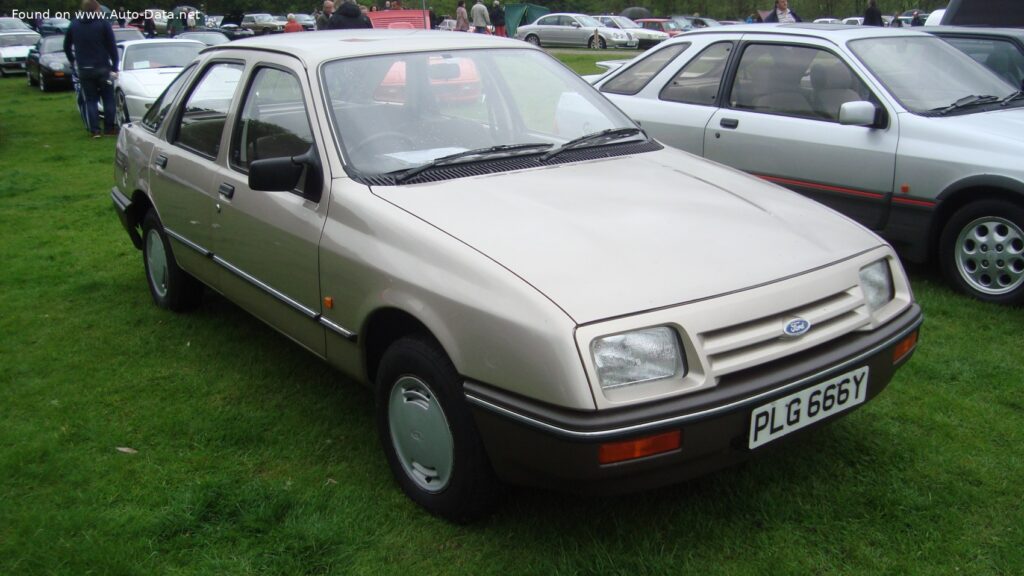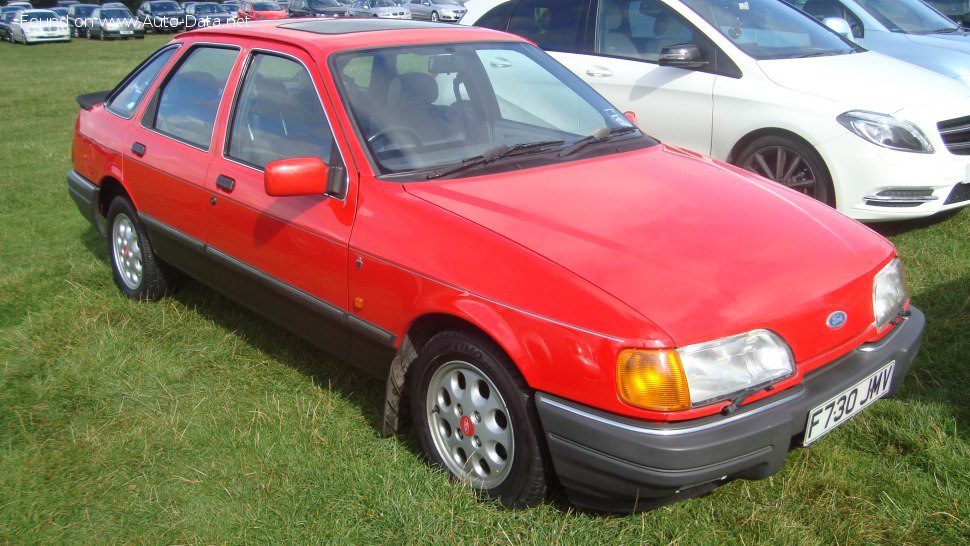
The Ford Sierra II 2.9i XR 4×4, produced between 1988 and 1993, represents a significant evolution in Ford’s European family car lineup. Positioned as a performance-oriented variant of the Sierra hatchback, the XR 4×4 aimed to deliver a blend of practicality, driving enjoyment, and all-weather capability. While not officially sold in the United States, the Sierra was a hugely popular vehicle in Europe, competing with models like the Opel/Vauxhall Cavalier, Volkswagen Passat, and Peugeot 405. The Sierra II, introduced in 1986, brought substantial improvements over the original Sierra, including revised styling, a more refined interior, and enhanced mechanical components. The 2.9i XR 4×4 stood out as the flagship model, boasting a potent fuel-injected V6 engine and a sophisticated all-wheel-drive system.
The Ford Sierra II: A European Icon
The Ford Sierra was conceived as a replacement for the aging Cortina and Taunus ranges, representing a shift towards more modern, aerodynamic designs. The initial Sierra, launched in 1982, was met with mixed reactions due to its somewhat controversial styling. However, the 1986 Sierra II addressed many of the criticisms, featuring a more streamlined appearance and improved build quality. The Sierra II became a mainstay of European roads throughout the late 1980s and early 1990s, known for its reliability, practicality, and relatively affordable price point. The XR models, like the 2.9i 4×4, were the performance halo of the range, appealing to drivers seeking a more engaging driving experience.
Engine & Performance
The heart of the Sierra 2.9i XR 4×4 is its 2.9-liter, naturally aspirated V6 engine, designated as either B4B or B4C depending on the specific year and market. This engine produced 145 horsepower, providing brisk acceleration and a satisfying exhaust note. The engine featured fuel injection, contributing to improved efficiency and responsiveness compared to earlier carbureted versions. Power is delivered to all four wheels via a five-speed manual transmission and a viscous coupling-based all-wheel-drive system. This system provides on-demand four-wheel drive, engaging the rear wheels when traction is lost at the front. The 4×4 system significantly enhanced the Sierra’s handling and stability, particularly in adverse weather conditions. While not a dedicated off-roader, the XR 4×4 offered a level of all-weather confidence that was uncommon in its class at the time. The engine’s torque characteristics provided good mid-range punch, making it a capable performer for both everyday driving and spirited excursions. The engine required 4.25 liters (4.49 US quarts, 3.74 UK quarts) of engine oil, specified to Ford’s standards for the period, and the cooling system held 8.5 liters (8.98 US quarts, 7.48 UK quarts) of coolant.
Design & Features
The Sierra II 2.9i XR 4×4 is a five-door hatchback, offering a practical and versatile body style. The hatchback configuration provides easy access to the cargo area, making it suitable for families and those needing to transport larger items. The XR models were distinguished by their sporty styling cues, including a rear spoiler, unique alloy wheels, and revised front and rear bumpers. The interior of the XR 4×4 featured upgraded seats with enhanced bolstering, providing better support during cornering. While not equipped with the advanced safety features found in modern vehicles, the Sierra II offered a reasonable level of safety for its time, including seatbelts and a reinforced safety cell. The focus was more on providing a driver-focused experience, with a clear instrument cluster and well-placed controls. The steering was hydraulic power steering, offering a good balance between assistance and feel. The turning circle was a relatively tight 10 meters (32.81 feet), making it maneuverable in urban environments. The Sierra’s design, while initially controversial, proved to be aerodynamically efficient, contributing to improved fuel economy and stability at higher speeds.
Technical Specifications
| Brand | Ford |
| Model | Sierra |
| Generation | Sierra Hatchback II |
| Type (Engine) | 2.9 i XR 4×4 (145 Hp) |
| Start of production | 1988 |
| End of production | 1993 |
| Powertrain Architecture | Internal Combustion engine |
| Body type | Hatchback |
| Seats | 5 |
| Doors | 5 |
| Fuel Type | Petrol (Gasoline) |
| Power | 145 Hp |
| Engine Model/Code | B4B, B4C |
| Engine aspiration | Naturally aspirated engine |
| Engine oil capacity | 4.25 l (4.49 US qt | 3.74 UK qt) |
| Coolant | 8.5 l (8.98 US qt | 7.48 UK qt) |
| Fuel tank capacity | 60 l (15.85 US gal | 13.2 UK gal) |
| Length | 4425 mm (174.21 in.) |
| Width | 1694 mm (66.69 in.) |
| Height | 1407 mm (55.39 in.) |
| Wheelbase | 2608 mm (102.68 in.) |
| Front track | 1452 mm (57.17 in.) |
| Rear (Back) track | 1468 mm (57.8 in.) |
| Minimum turning circle (turning diameter) | 10 m (32.81 ft.) |
| Drive wheel | All wheel drive (4×4) |
| Number of gears and type of gearbox | 5 gears, manual transmission |
| Front brakes | Ventilated discs |
| Rear brakes | Drum |
| Steering type | Steering rack and pinion |
| Power steering | Hydraulic Steering |
The Ford Sierra II 2.9i XR 4×4 remains a fondly remembered vehicle among enthusiasts in Europe. It represents a high point in Ford’s European engineering, offering a compelling combination of performance, practicality, and all-weather capability. While never officially available in the US market, its legacy as a capable and enjoyable family car endures.