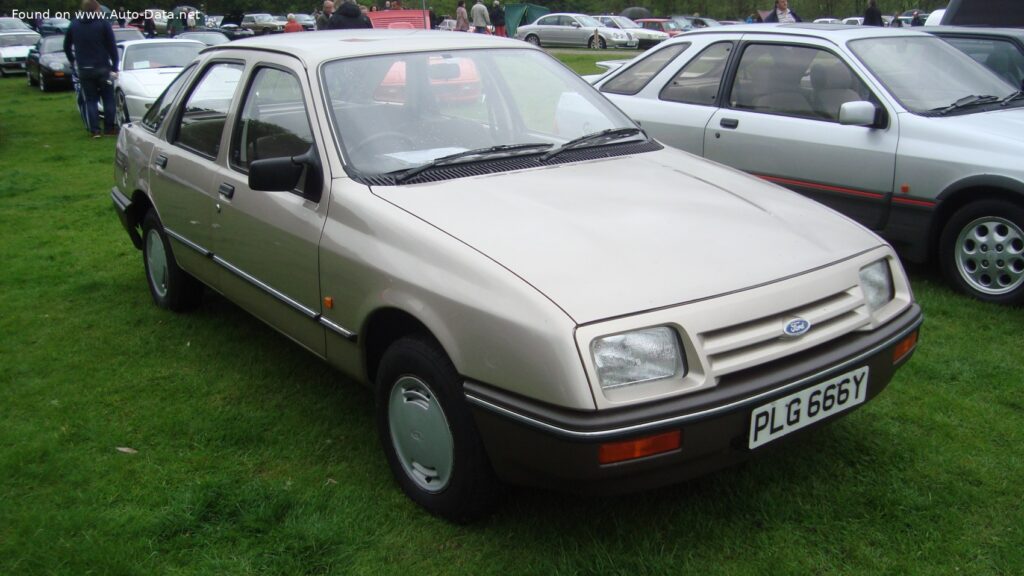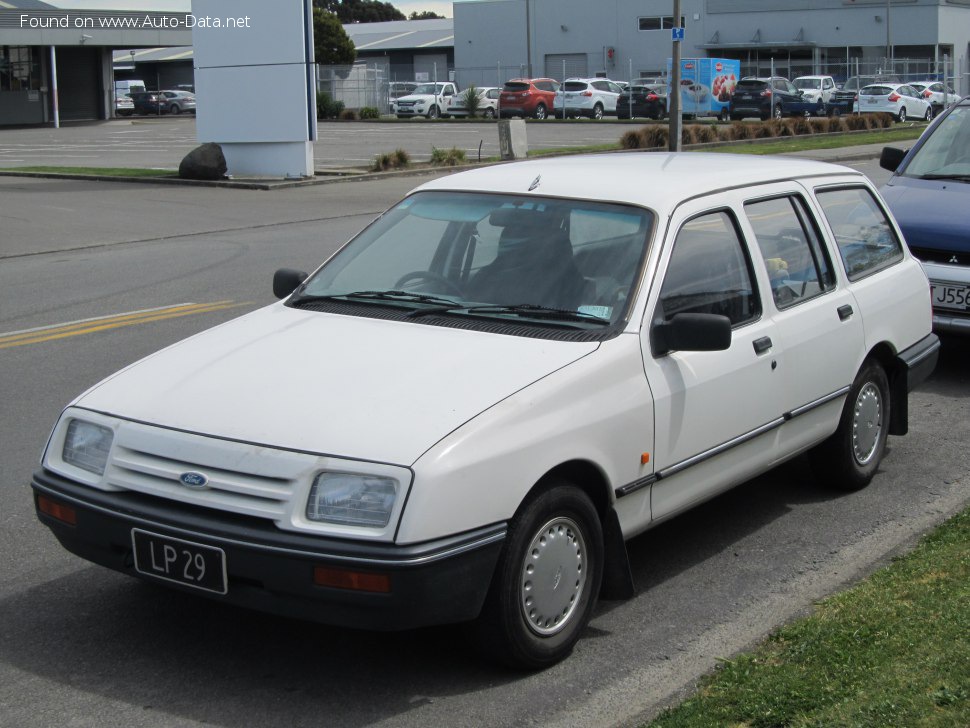
The Ford Sierra Turnier I 2.0 (115 Hp) represents a significant step in Ford of Europe’s development of family vehicles during the mid-1980s. Introduced in 1985 and produced through 1986, the Turnier I – the station wagon variant of the Sierra – aimed to provide practicality and space without sacrificing driving dynamics. The Sierra itself was a replacement for the long-running Cortina and Taunus models, representing a more modern and aerodynamic approach to design. While never officially sold in the United States, the Sierra and its Turnier variant were pivotal in the European market, competing with vehicles like the Vauxhall/Opel Astra Estate and Volkswagen Passat Variant. The 2.0-liter engine option offered a balance between fuel economy and performance, making it a popular choice for families and those requiring a versatile vehicle.
Ford Sierra Turnier I 2.0: A Detailed Overview
The Ford Sierra marked a departure from the traditional Ford styling of the era, embracing a more angular and aerodynamic profile. This was largely influenced by contemporary designs from manufacturers like Audi and BMW. The Turnier, as the estate version, extended this design language, offering a substantial cargo area behind the rear seats. The Sierra range was notable for its use of independent rear suspension in many models, a feature that improved ride quality and handling compared to its predecessors. The Turnier I specifically targeted buyers who needed a practical vehicle for carrying passengers and luggage, offering a compelling alternative to traditional sedans.
Engine & Performance
The heart of the Ford Sierra Turnier I 2.0 was a naturally aspirated 2.0-liter inline-four cylinder petrol (gasoline) engine. This engine produced 115 horsepower, providing adequate power for comfortable cruising and everyday driving. While not a performance-oriented vehicle, the 2.0-liter engine offered a reasonable power-to-weight ratio of 97.5 horsepower per tonne. The engine was coupled with a five-speed manual transmission, allowing drivers to optimize fuel efficiency and performance. The front-wheel-drive configuration was standard for this model, contributing to its relatively good handling characteristics. The weight-to-power ratio stood at 10.3 kg/Hp, indicating a balanced, if not particularly sporty, driving experience. The engine’s design prioritized reliability and fuel economy, typical of European vehicles of the period.
Design & Features
The Ford Sierra Turnier I’s body style is a classic five-door station wagon (estate). Its design focused on maximizing interior space and practicality. The extended roofline and large rear hatch provided easy access to the generous cargo area. The interior was designed with family use in mind, offering seating for five passengers. While not lavishly equipped by modern standards, the Turnier I offered essential features for its time, including comfortable seating, a functional dashboard layout, and adequate ventilation. Safety features were relatively basic, reflecting the standards of the mid-1980s, but included seatbelts and a robust body structure. The exterior styling featured clean lines and a relatively understated appearance, typical of European car design at the time. The Turnier’s appeal lay in its practicality and versatility, making it a popular choice for families and those with active lifestyles.
Market Position and Significance
The Ford Sierra Turnier I 2.0 occupied a crucial position in the European family car market. It provided a compelling alternative to more traditional estate cars, offering a blend of practicality, affordability, and relatively modern styling. The Sierra range, as a whole, was a significant success for Ford of Europe, helping to establish the company as a major player in the segment. The Turnier variant, in particular, appealed to buyers who needed a versatile vehicle for both everyday commuting and weekend adventures. The introduction of independent rear suspension on many Sierra models, including the Turnier, was a notable improvement over previous Ford offerings, enhancing ride quality and handling. The Sierra’s success paved the way for future Ford models, influencing design and engineering philosophies for years to come.
Technical Specifications
| Brand | Ford |
| Model | Sierra |
| Generation | Sierra Turnier I |
| Type (Engine) | 2.0 (115 Hp) |
| Start of production | 1985 |
| End of production | 1986 |
| Powertrain Architecture | Internal Combustion engine |
| Body type | Station wagon (estate) |
| Seats | 5 |
| Doors | 5 |
| Fuel Type | Petrol (Gasoline) |
| Weight-to-power ratio | 10.3 kg/Hp |
| Hp/tonne | 97.5 Hp/tonne |
| Power | 115 Hp |
| Engine aspiration | Naturally aspirated engine |
| Kerb Weight | 1180 kg |
| Kerb Weight (lbs) | 2601.45 lbs. |
| Fuel tank capacity | 60 l |
| Fuel tank capacity (US gal) | 15.85 US gal |
| Fuel tank capacity (UK gal) | 13.2 UK gal |
| Length | 4511 mm |
| Length (in) | 177.6 in. |
| Width | 1720 mm |
| Width (in) | 67.72 in. |
| Height | 1428 mm |
| Height (in) | 56.22 in. |
| Wheelbase | 2608 mm |
| Wheelbase (in) | 102.68 in. |
| Front track | 1452 mm |
| Front track (in) | 57.17 in. |
| Rear track | 1468 mm |
| Rear track (in) | 57.8 in. |
| Minimum turning circle | 10 m |
| Minimum turning circle (ft) | 32.81 ft. |
| Drivetrain Architecture | Internal Combustion engine (ICE) drives the front wheels |
| Drive wheel | Front wheel drive |
| Number of gears | 5 |
| Gearbox type | Manual transmission |
| Front brakes | Ventilated discs |
| Rear brakes | Drum |
| Steering type | Steering rack and pinion |