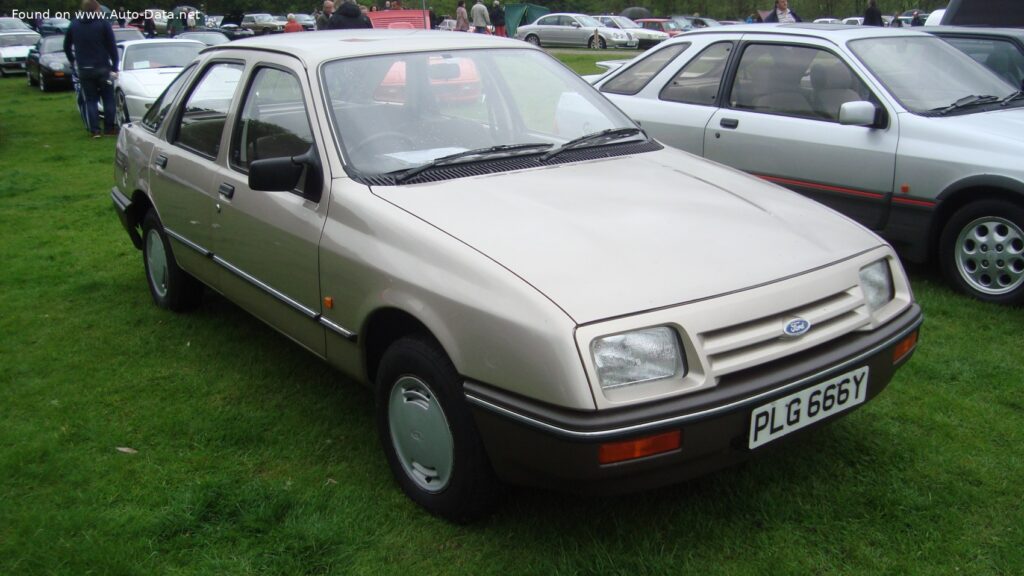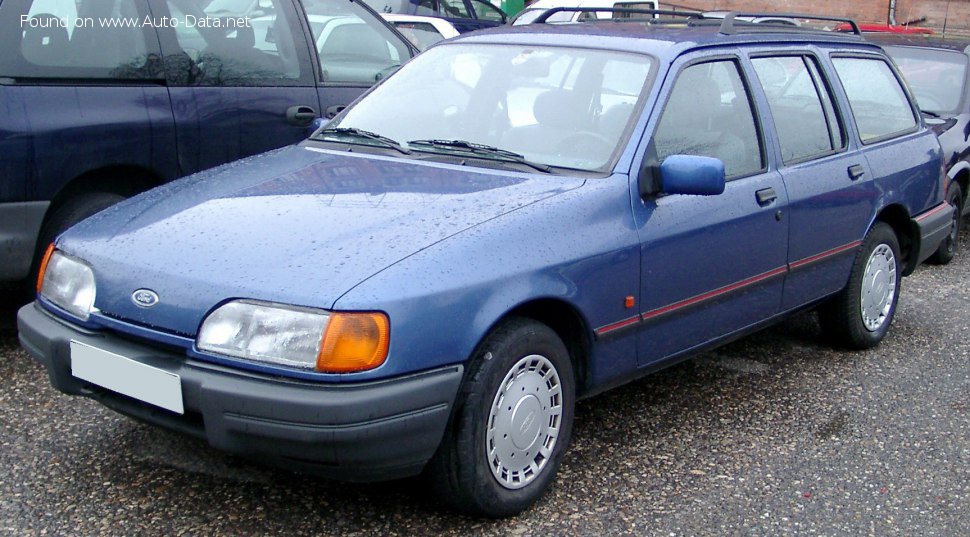
The Ford Sierra Turnier II 2.8 4×4, produced between 1987 and 1988, represents a significant iteration of Ford’s popular Sierra model line. The Turnier, essentially the estate or station wagon variant, offered practicality and versatility alongside the Sierra’s already established reputation for handling and affordability. This particular version, equipped with a 2.8-liter engine and all-wheel drive, was positioned as a robust and capable vehicle, appealing to those needing a workhorse with added grip and stability. While the Sierra itself was a mainstay in the European market, it was never officially sold in the United States. However, understanding its place within the Ford lineup and the automotive landscape of the late 1980s provides valuable insight into its design and engineering.
The Ford Sierra Turnier II 2.8 4×4: A European Workhorse
The Sierra, launched in 1982, was a pivotal model for Ford of Europe, replacing the aging Cortina and Taunus ranges. It represented a move towards more modern, aerodynamic designs and a greater emphasis on driving dynamics. The Turnier estate version, introduced alongside the saloon and hatchback, broadened the Sierra’s appeal, catering to families and those requiring substantial cargo space. The “II” designation signifies the facelifted version of the Sierra, introduced in 1986, which featured subtle styling updates and mechanical improvements. The 2.8 4×4 variant was a relatively high-specification model, offering a combination of performance and practicality that was uncommon in the era.
Engine & Performance
At the heart of the Sierra Turnier II 2.8 4×4 lies a naturally aspirated 2.8-liter inline-four cylinder petrol (gasoline) engine. This engine produced 150 horsepower, a respectable figure for the late 1980s, and provided a good balance between power and fuel economy. The engine’s relatively large displacement contributed to a healthy torque output, making it well-suited for hauling loads or tackling challenging terrain. The all-wheel-drive system, a key feature of this variant, distributed power to all four wheels, enhancing traction and stability, particularly on slippery surfaces. This made the 2.8 4×4 a popular choice in regions with inclement weather or for those who frequently towed trailers. The vehicle utilized a 5-speed manual transmission, allowing drivers to fully exploit the engine’s power band. The weight-to-power ratio of 7.9 kg/Hp (or 127.1 Hp/tonne) indicates a reasonably sprightly performance for a vehicle of its size and type.
Design & Features
The Sierra Turnier II’s design was characterized by its angular lines and relatively flat roofline, maximizing interior space. The estate body style offered a generous cargo area, accessible through a large rear tailgate. The 5-door configuration provided convenient access for both passengers and cargo. While not overtly luxurious, the interior of the 2.8 4×4 was typically well-equipped for its time, featuring comfortable seating for five occupants. Hydraulic power steering was a standard feature, making the vehicle easier to maneuver, especially at low speeds. Safety features, while limited by the standards of today, included ventilated disc brakes on the front wheels and drum brakes on the rear, providing adequate stopping power. The exterior styling, while functional, was also relatively modern for the era, reflecting Ford’s attempt to create a visually appealing and contemporary vehicle. The 4×4 system was not a sophisticated, electronically controlled system like those found in modern SUVs; it was a more traditional, mechanically engaged system, offering robust and reliable all-wheel drive capability.
Technical Specifications
| Brand | Ford |
| Model | Sierra |
| Generation | Sierra Turnier II |
| Type (Engine) | 2.8 4×4 (150 Hp) |
| Start of production | 1987 year |
| End of production | 1988 year |
| Powertrain Architecture | Internal Combustion engine |
| Body type | Station wagon (estate) |
| Seats | 5 |
| Doors | 5 |
| Fuel Type | Petrol (Gasoline) |
| Weight-to-power ratio | 7.9 kg/Hp |
| Hp/tonne | 127.1 Hp/tonne |
| Power | 150 Hp |
| Engine aspiration | Naturally aspirated engine |
| Kerb Weight | 1180 kg |
| Kerb Weight (lbs) | 2601.45 lbs. |
| Fuel tank capacity | 60 l |
| Fuel tank capacity (US gal) | 15.85 US gal |
| Fuel tank capacity (UK gal) | 13.2 UK gal |
| Length | 4511 mm |
| Length (in) | 177.6 in. |
| Width | 1720 mm |
| Width (in) | 67.72 in. |
| Height | 1428 mm |
| Height (in) | 56.22 in. |
| Wheelbase | 2680 mm |
| Wheelbase (in) | 105.51 in. |
| Front track | 1452 mm |
| Front track (in) | 57.17 in. |
| Rear track | 1468 mm |
| Rear track (in) | 57.8 in. |
| Minimum turning circle | 10 m |
| Minimum turning circle (ft) | 32.81 ft. |
| Drive wheel | All wheel drive (4×4) |
| Number of gears | 5 |
| Gearbox type | manual transmission |
| Front brakes | Ventilated discs |
| Rear brakes | Drum |
| Steering type | Steering rack and pinion |
| Power steering | Hydraulic Steering |
The Ford Sierra Turnier II 2.8 4×4, while never officially available in the US market, remains a significant vehicle in the history of Ford of Europe. It represented a blend of practicality, performance, and affordability, appealing to a wide range of buyers. Its robust construction, all-wheel-drive capability, and spacious interior made it a popular choice for families, tradespeople, and those living in regions with challenging weather conditions. The Sierra’s legacy continues to this day, influencing the design and engineering of subsequent Ford models.