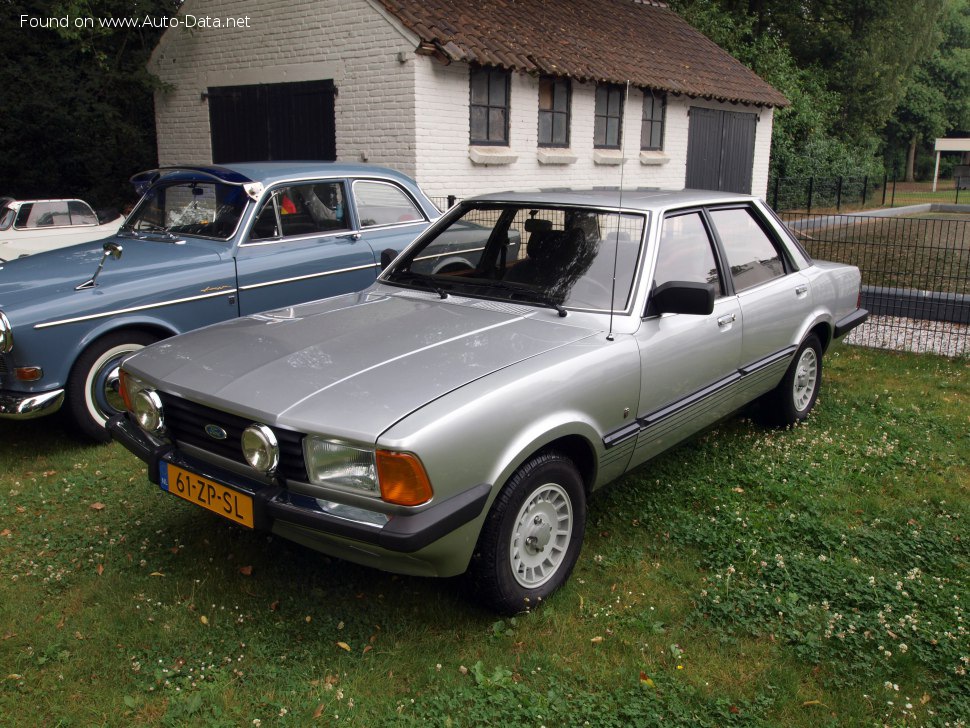
The Ford Taunus, specifically the GBTS, GBFS, and CBTS series produced between 1975 and 1979, represents a significant chapter in Ford of Europe’s history. This generation of the Taunus, a mid-size family car, was aimed squarely at the European market, competing with vehicles like the Opel Rekord and the Fiat 132. While not officially sold in the United States, understanding the Taunus provides insight into Ford’s global engineering and design philosophies during the 1970s. The 2.0-liter version, producing 90 horsepower, was a popular choice, offering a balance of performance and fuel economy for the era. This model aimed to provide comfortable and reliable transportation for families, embodying the practical needs of the European automotive consumer.
The Ford Taunus GBTS, GBFS, and CBTS: A Detailed Overview
The Taunus nameplate has a long and storied history within Ford, dating back to the 1930s. However, the GBTS, GBFS, and CBTS series, introduced in 1975, marked a substantial redesign and modernization of the model. These iterations were built to address changing consumer demands and stricter safety regulations emerging in Europe. The “Taunus” designation itself originates from the Taunus mountain range in Germany, reflecting the car’s initial development and target market. The GBTS, GBFS, and CBTS designations refer to variations within the series, often relating to trim levels and minor equipment differences. The 2.0-liter engine option became a mainstay, offering a step up in performance from the smaller displacement engines available.
Engine & Performance
The heart of the Ford Taunus 2.0 was a 1,998 cc (approximately 2.0 liters) inline-four cylinder, naturally aspirated gasoline engine. This engine produced 90 horsepower, a respectable figure for a family sedan in the mid-1970s. The engine utilized a single overhead camshaft (SOHC) design, a common configuration for the time, and featured a two-barrel carburetor. While not a high-performance engine, it provided adequate power for comfortable cruising and overtaking on European roads. The engine’s torque output, while not explicitly stated in available data, was sufficient for everyday driving conditions.
Power was delivered to the rear wheels via a four-speed manual transmission, with a three-speed automatic transmission offered as an optional extra. The rear-wheel-drive layout was typical for European cars of this era. Suspension consisted of independent front suspension with MacPherson struts and a live axle with leaf springs at the rear. This setup provided a reasonable balance between ride comfort and handling. Braking was achieved through disc brakes at the front and drum brakes at the rear, a standard configuration for the period. Performance figures, such as 0-60 mph times, were not widely publicized, but contemporary road tests suggest a 0-60 mph time in the region of 12-14 seconds, and a top speed of around 95-100 mph. Fuel economy, while not a primary concern for many buyers at the time, was reasonable for a vehicle of its size and engine displacement.
Design & Features
The Ford Taunus GBTS, GBFS, and CBTS series featured a distinctly 1970s aesthetic. The body style was a traditional three-box sedan, characterized by clean lines and a relatively conservative design. The car’s dimensions were typical for a mid-size European sedan, offering ample space for passengers and luggage. The front end featured a rectangular grille flanked by rectangular headlights, while the rear end incorporated horizontally oriented taillights.
Inside, the Taunus offered a functional and comfortable interior. The dashboard was typically constructed from durable plastics, and the seats were upholstered in cloth or vinyl. Features such as a radio, heater, and basic instrumentation were standard. Higher trim levels, such as the GBFS, offered additional features like upgraded upholstery, a more comprehensive instrument panel, and optional extras like power steering and electric windows. Safety features, while limited by the standards of today, were improving during this period. The Taunus incorporated features such as seat belts and a collapsible steering column, designed to mitigate the severity of impacts in the event of a collision. The car’s construction focused on durability and reliability, reflecting Ford’s commitment to providing a practical and long-lasting vehicle for European families.
Technical Specifications
| Brand | Ford |
| Model | Taunus |
| Generation | Taunus (GBTS, GBFS, CBTS) |
| Type (Engine) | 2.0 (90 Hp) |
| Start of production | 1975 |
| End of production | 1979 |
| Powertrain Architecture | Internal Combustion engine |
| Body type | Sedan |
| Fuel Type | Petrol (Gasoline) |
| Power | 90 Hp |
| Engine aspiration | Naturally aspirated engine |
The Taunus GBTS, GBFS, and CBTS series ultimately paved the way for the later Ford Sierra, which replaced it in 1982. The Taunus represents a crucial link in Ford’s European product line, demonstrating the company’s ability to adapt to changing market conditions and consumer preferences. While not a groundbreaking vehicle in terms of technological innovation, it provided a solid and reliable transportation solution for European families during a period of significant economic and social change. Its legacy lies in its practicality, durability, and its role in shaping Ford’s future direction in the European market. The 2.0-liter engine option, in particular, proved to be a popular choice, offering a good balance of performance and fuel economy for the time. The Taunus, therefore, remains a noteworthy example of 1970s automotive engineering and design.