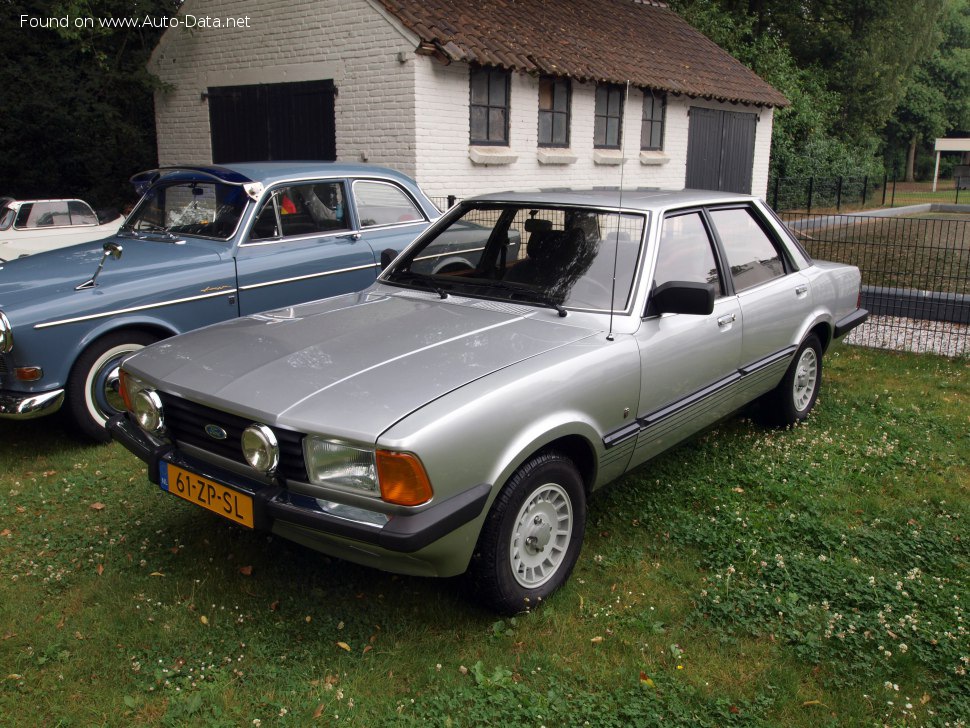
The Ford Taunus, specifically the GBTS, GBFS, and CBTS series produced between 1975 and 1979, represents a significant chapter in Ford of Europe’s mid-size family car offerings. While largely unknown in the North American market, the Taunus was a mainstay in Germany and other European countries, competing with vehicles like the Opel Rekord and Volkswagen Passat. This generation, often referred to as the Taunus TC1, aimed to modernize the Taunus line with contemporary styling and improved mechanicals, offering a practical and affordable transportation solution for the European family. The 2.3-liter variant, producing 107 horsepower, was a popular choice, balancing performance with fuel economy for the era.
The Ford Taunus TC1: A European Family Sedan
The Taunus name has a long history within Ford, dating back to the 1930s. However, the TC1 series, launched in late 1975, marked a substantial departure from its predecessors. Ford sought to create a vehicle that was both modern in appearance and reliable in operation. The TC1 was designed to appeal to a broad customer base, offering a range of engine options and trim levels. The GBTS, GBFS, and CBTS designations primarily denote different trim levels and minor equipment variations within the range. The Taunus TC1 was a response to changing market demands, with increased emphasis on safety, comfort, and fuel efficiency – factors that were becoming increasingly important to European car buyers.
Historical Context and Market Position
During the 1970s, the European automotive market was undergoing significant changes. Oil crises led to increased fuel prices, prompting manufacturers to develop more fuel-efficient engines. Simultaneously, safety regulations were becoming stricter, requiring manufacturers to incorporate new safety features into their vehicles. The Taunus TC1 was designed to address these challenges, offering a range of engines, including smaller displacement units, and incorporating features like crumple zones and improved braking systems. In its primary markets, the Taunus competed directly with other established European brands, offering a compelling alternative in terms of price, practicality, and reliability.
Engine & Performance
The 2.3-liter, naturally aspirated engine powering the Taunus GBTS, GBFS, and CBTS models was a key component of its appeal. This engine, a four-cylinder unit, produced 107 horsepower. While not a performance powerhouse by modern standards, this output provided adequate power for comfortable cruising and overtaking on European roads. The engine utilized a single overhead camshaft design and a two-barrel carburetor, a common configuration for the time. The engine’s relatively simple design contributed to its reliability and ease of maintenance.
Power was delivered to the rear wheels via a four-speed manual transmission or, optionally, a three-speed automatic transmission. The manual transmission offered a more engaging driving experience, while the automatic provided greater convenience, particularly in urban driving conditions. The Taunus TC1’s suspension system consisted of independent front suspension with MacPherson struts and a live axle with leaf springs at the rear. This setup provided a reasonable balance between ride comfort and handling. Performance figures for the 2.3-liter Taunus were modest, with a top speed of around 95-100 mph and acceleration from 0 to 60 mph taking approximately 11-12 seconds. However, these figures were typical for a family sedan of this size and class in the 1970s.
Design & Features
The Taunus TC1 featured a distinctly European design aesthetic, characterized by clean lines and a relatively boxy silhouette. The sedan body style was the most common, offering ample space for passengers and luggage. The front end of the car was dominated by a rectangular grille and horizontally positioned headlights. The rear end featured a wide trunk lid and taillights that spanned the width of the vehicle. Interior design focused on practicality and comfort. The cabin was spacious, with seating for five passengers. The dashboard was functional, with clearly labeled controls and gauges. Upholstery typically consisted of durable cloth or vinyl materials.
Safety features, while not as comprehensive as those found in modern vehicles, were improved compared to earlier Taunus models. The TC1 incorporated crumple zones in the front and rear to absorb impact energy in the event of a collision. Disc brakes were fitted to the front wheels, providing improved stopping power, while drum brakes were used at the rear. Other features included a heater and defroster, a basic sound system, and optional power steering. The Taunus TC1 was available in a range of colors, reflecting the tastes of European car buyers during the 1970s. The car’s overall design emphasized practicality and affordability, making it a popular choice for families and commuters.
Technical Specifications
| Brand | Ford |
| Model | Taunus |
| Generation | Taunus (GBTS,GBFS,CBTS) |
| Type (Engine) | 2.3 (107 Hp) |
| Start of production | 1975 |
| End of production | 1979 |
| Powertrain Architecture | Internal Combustion engine |
| Body type | Sedan |
| Fuel Type | Petrol (Gasoline) |
| Engine specs Power | 107 Hp |
| Engine aspiration | Naturally aspirated engine |
The Ford Taunus TC1, particularly the 2.3-liter variant, represents a significant example of European automotive engineering from the 1970s. While it never achieved widespread recognition in North America, it played a crucial role in Ford of Europe’s success, providing a practical, reliable, and affordable transportation solution for European families. Its design, features, and mechanicals reflected the changing demands of the automotive market, with increased emphasis on safety, comfort, and fuel efficiency. The Taunus TC1 remains a popular classic car among enthusiasts in Europe, appreciated for its simplicity, durability, and nostalgic appeal.