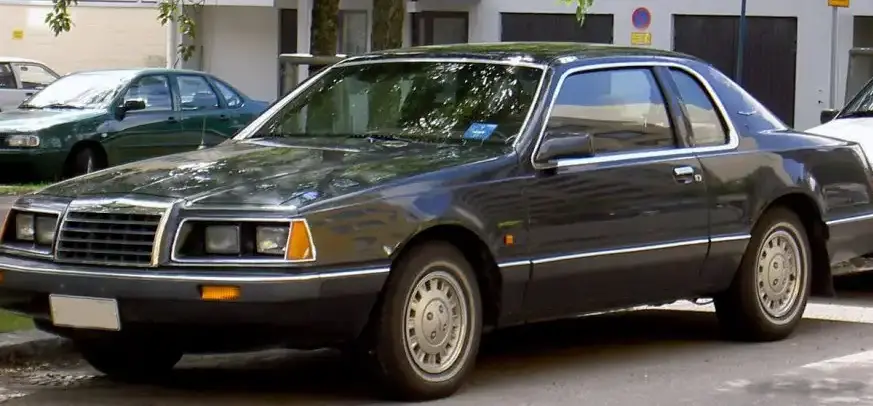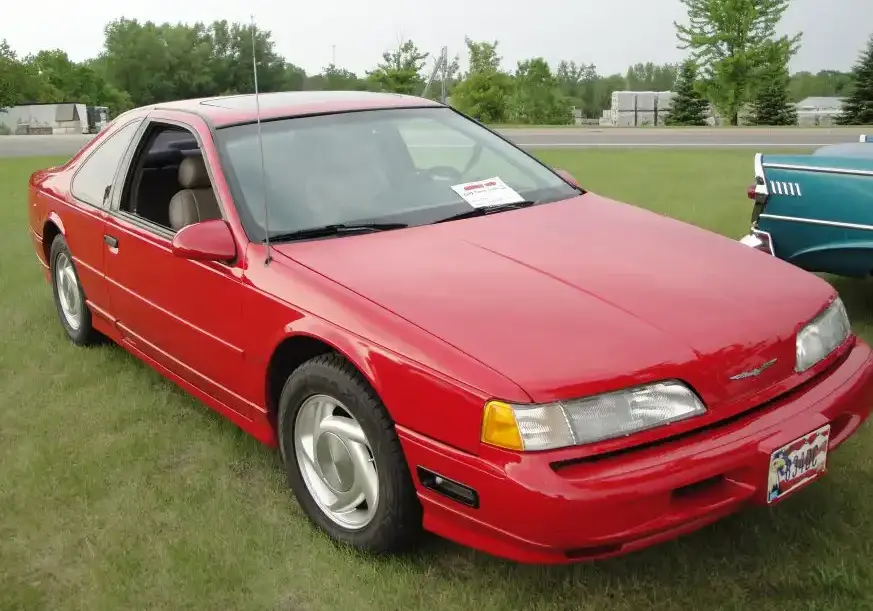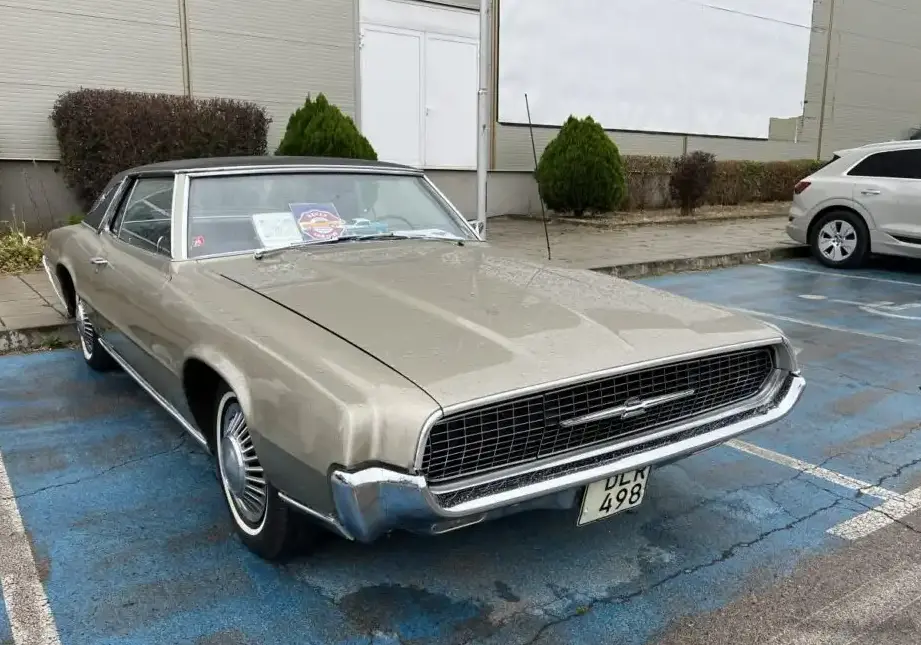
The Ford Thunderbird V Coupe with the 7.0-liter V8 engine and Cruise-O-Matic transmission represents a high-performance iteration of the fourth-generation Thunderbird, produced for the 1966 and 1967 model years. This variant occupied the top echelon of the Thunderbird lineup, offering substantial power and a luxurious experience. It was positioned as a direct competitor to other personal luxury cars of the era, such as the Buick Riviera and the Pontiac Grand Prix. The fourth-generation Thunderbird (1964-1966) saw a shift towards a more sporty and youthful image, and the 1966-1967 models, while retaining the luxury appointments, emphasized performance with larger engine options.
Technical Specifications
| Brand | Ford |
| Model | Thunderbird |
| Generation | Thunderbird V Coupe |
| Engine Type | 7.0 V8 (345 Hp) Cruise-O-Matic |
| Start of Production | August, 1966 |
| End of Production | 1967 |
| Powertrain Architecture | Internal Combustion engine |
| Body Type | Coupe |
| Seats | 4 |
| Doors | 2 |
| Fuel Type | Petrol (Gasoline) |
| Power | 345 Hp |
| Power per litre | 49.2 Hp/l |
| Engine Layout | Front, Longitudinal |
| Engine Model/Code | FE |
| Engine Displacement | 7014 cm3 / 428.02 cu. in. |
| Number of Cylinders | 8 |
| Engine Configuration | V-engine |
| Cylinder Bore | 104.9 mm / 4.13 in. |
| Piston Stroke | 101.2 mm / 3.98 in. |
| Compression Ratio | 10.5:1 |
| Number of Valves per Cylinder | 2 |
| Fuel Injection System | Carburettor |
| Engine Aspiration | Naturally aspirated engine |
| Valvetrain | OHV |
| Trunk (boot) space (minimum) | 331 l / 11.69 cu. ft. |
| Fuel Tank Capacity | 95 l / 25.1 US gal | 20.9 UK gal |
| Length | 5255 mm / 206.89 in. |
| Width | 1961 mm / 77.2 in. |
| Height | 1341 mm / 52.8 in. |
| Wheelbase | 2921 mm / 115 in. |
| Front Track | 1575 mm / 62.01 in. |
| Rear Track | 1575 mm / 62.01 in. |
| Minimum Turning Circle | 12.3 m / 40.35 ft. |
| Drivetrain Architecture | Rear wheel drive |
| Number of Gears | 3 |
| Gearbox Type | Automatic transmission |
| Front Suspension | Transverse stabilizer |
| Rear Suspension | Rigid axle suspension, Coil spring |
| Front Brakes | Disc |
| Rear Brakes | Drum |
| Power Steering | Hydraulic Steering |
| Wheel Rims Size | 5.5J x 15 |
Powertrain & Engine Architecture
The heart of the Thunderbird V Coupe was the Ford FE-series engine, specifically the 428 cubic inch (7.0-liter) V8. This engine, designated as the 345 horsepower variant, utilized a four-barrel carburetor for fuel delivery. The FE engine family was known for its robust construction and potential for high performance. The engine featured overhead valve (OHV) valvetrain, a common design for the era, and a 10.5:1 compression ratio. The Cruise-O-Matic transmission was a three-speed automatic, designed to provide smooth and comfortable shifting. While not as technologically advanced as some contemporary transmissions, it was well-suited to the Thunderbird’s grand touring character. The engine was longitudinally mounted in the front of the vehicle, driving the rear wheels.
Driving Characteristics
The 7.0-liter V8 provided substantial torque, making the Thunderbird V Coupe a capable performer. Acceleration was brisk, and the car felt powerful on the open road. The Cruise-O-Matic transmission, while smooth, wasn’t designed for aggressive shifting. Compared to the manual transmission options available in other Ford models, the automatic prioritized comfort over outright performance. The gear ratios were optimized for cruising, providing relaxed highway driving. However, this came at the expense of some responsiveness in city traffic. The large displacement engine also meant higher fuel consumption compared to smaller-engined Thunderbirds.
Equipment & Trim Levels
The Thunderbird V Coupe with the 7.0-liter engine was typically equipped with a high level of standard features. These included power steering, power brakes, and a luxurious interior with comfortable seating. Upholstery options typically included premium vinyl or cloth, with optional leather available. The dashboard featured woodgrain accents and a comprehensive array of gauges. Optional extras included air conditioning, a stereo system, and power windows. The V Coupe trim generally represented the highest level of appointment available on the Thunderbird, offering a more refined and luxurious experience than the base models.
Chassis & Braking
The Thunderbird V Coupe utilized a body-on-frame construction, typical of American cars of the 1960s. The front suspension featured independent suspension with a transverse stabilizer bar, while the rear suspension employed a solid axle with coil springs. This setup provided a comfortable ride, although it wasn’t as sophisticated as some contemporary European designs. The braking system consisted of disc brakes at the front and drum brakes at the rear. Power steering was standard, making the car relatively easy to maneuver despite its size. The suspension was tuned for a balance between comfort and handling, prioritizing a smooth ride over sharp cornering.
Market Reception & Comparison
The Thunderbird V Coupe with the 7.0-liter engine was generally well-received by critics and buyers alike. It was praised for its powerful engine, luxurious interior, and comfortable ride. However, some critics noted the car’s large size and relatively unsophisticated handling. Compared to the smaller-engined Thunderbirds, the 7.0-liter variant offered significantly more performance but at a higher price and with increased fuel consumption. The 390 cubic inch V8 offered a good balance of performance and economy, making it a popular choice for buyers who didn’t need the extra power of the 428. The 428 was aimed at enthusiasts who wanted the most powerful Thunderbird available.
Legacy
The 1966-1967 Thunderbird V Coupe with the 7.0-liter V8 remains a desirable classic car today. The FE-series engine is known for its durability and relatively simple maintenance. However, parts availability can be a challenge, and restoration projects can be expensive. The car’s large size and relatively poor fuel economy mean it’s not ideally suited for modern driving conditions. Nevertheless, the Thunderbird V Coupe represents a significant piece of American automotive history, embodying the spirit of the 1960s personal luxury car. Well-maintained examples command strong prices in the collector car market, appealing to enthusiasts who appreciate the car’s power, style, and historical significance. The Cruise-O-Matic transmission, while reliable, may require periodic servicing to ensure smooth operation.