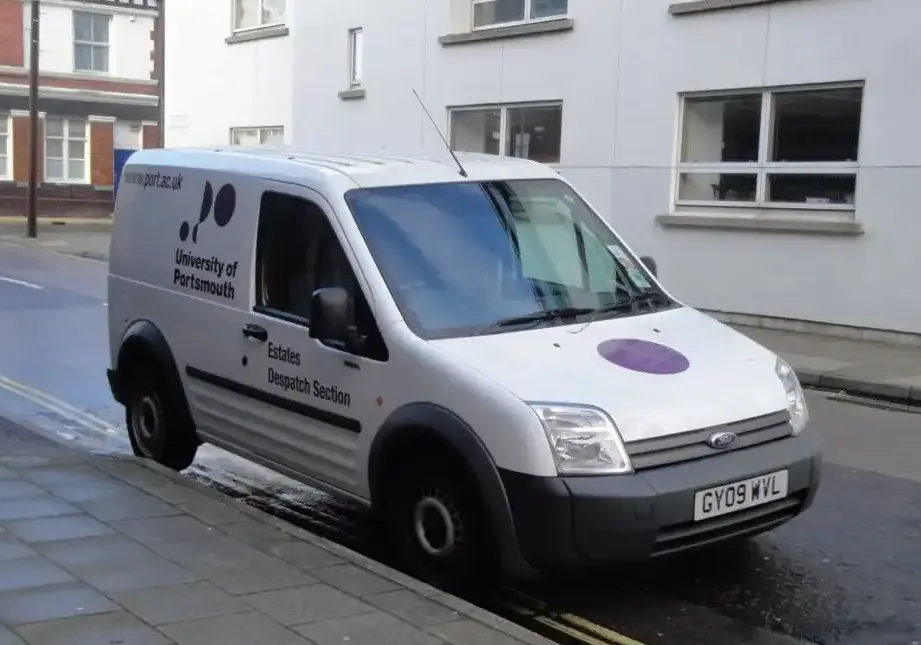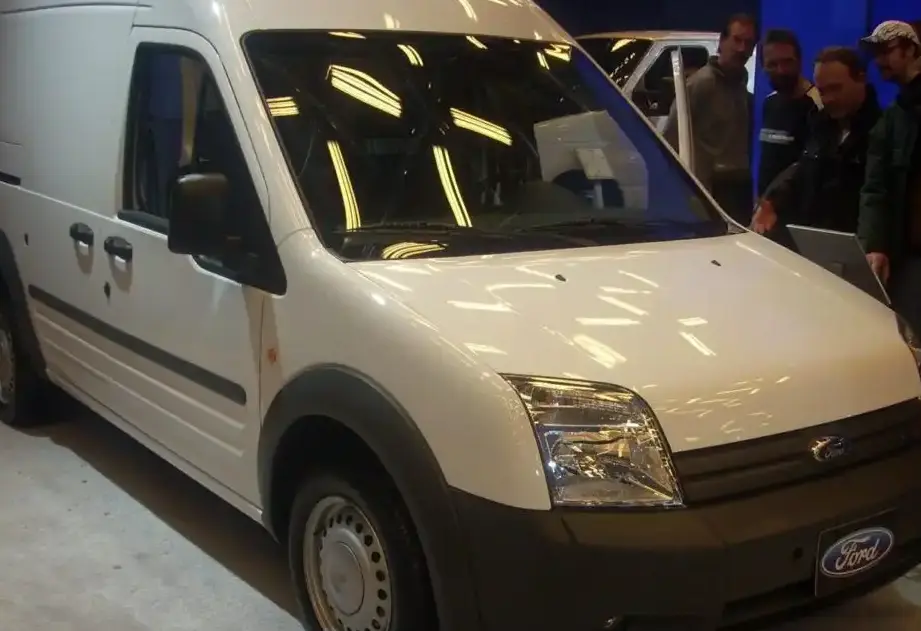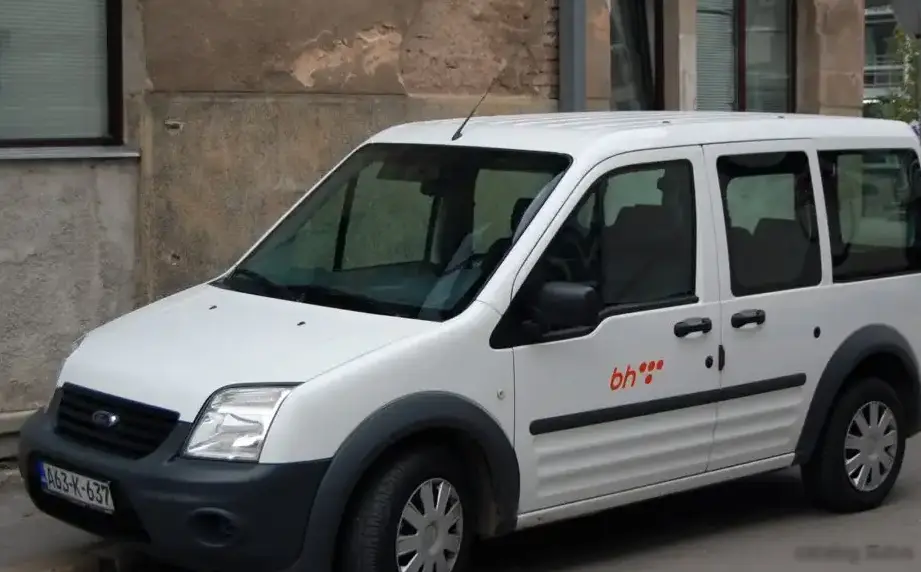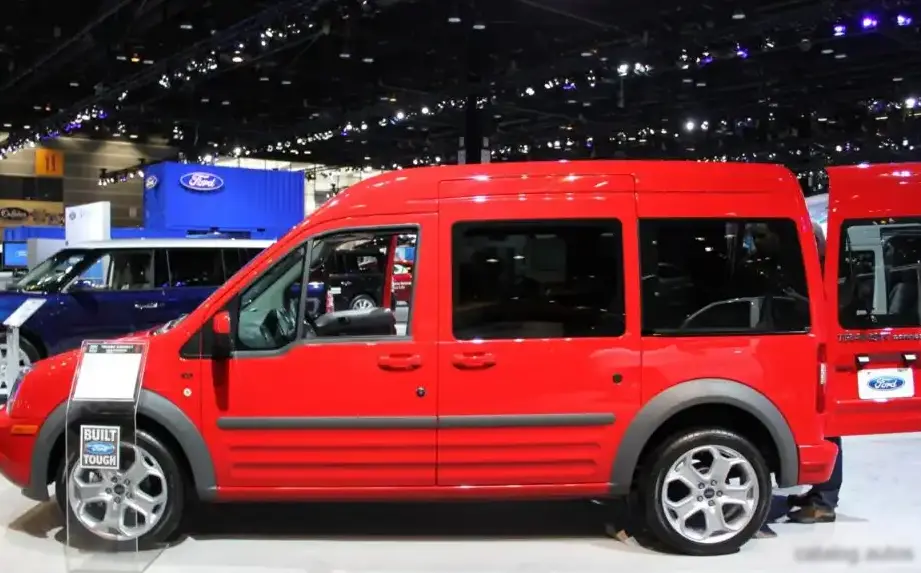
The Ford Transit Connect, particularly the first generation facelift model produced from 2009 to 2013, represented Ford’s entry into the compact commercial van segment in North America. While popular in Europe prior, the Transit Connect aimed to offer a more maneuverable and fuel-efficient alternative to larger vans like the Ford Econoline. The Crew Van L2H2 configuration, powered by the 2.0-liter Duratec engine producing 136 horsepower and paired with a four-speed automatic transmission, was a common sight for small businesses and families needing versatile cargo and passenger space. This specific variant occupied a middle ground in the Transit Connect lineup, offering a balance between affordability and usability, appealing to those who didn’t require the performance of higher-trim models or the cost savings of a manual transmission.
Technical Specifications
| Brand | Ford |
| Model | Transit Connect |
| Generation | Transit Connect I (facelift 2009) Crew Van L2H2 |
| Type (Engine) | 2.0 (136 Hp) Automatic |
| Start of production | 2009 |
| End of production | 2013 |
| Powertrain Architecture | Internal Combustion engine |
| Body type | Minivan |
| Seats | 5 |
| Doors | 5 |
| Fuel consumption (urban) | 10.7-11.2 l/100 km (22-21 US mpg) |
| Fuel consumption (extra urban) | 8.7-9 l/100 km (27-26.1 US mpg) |
| Fuel consumption (combined) | 9.8-10.2 l/100 km (24-23.1 US mpg) |
| Fuel Type | Petrol (Gasoline) |
| Weight-to-power ratio | 11.2 kg/Hp |
| Weight-to-torque ratio | 8.8 kg/Nm |
| Power | 136 Hp @ 6300 rpm |
| Power per litre | 68 Hp/l |
| Torque | 174 Nm @ 4750 rpm (128.34 lb.-ft. @ 4750 rpm) |
| Maximum engine speed | 7000 rpm |
| Engine layout | Front, Transverse |
| Engine Model/Code | Duratec |
| Engine displacement | 1999 cm3 (121.99 cu. in.) |
| Number of cylinders | 4 |
| Engine configuration | Inline |
| Cylinder Bore | 87.5 mm (3.44 in.) |
| Piston Stroke | 83.1 mm (3.27 in.) |
| Compression ratio | 10:1 |
| Number of valves per cylinder | 4 |
| Fuel injection system | Multi-port manifold injection |
| Engine aspiration | Naturally aspirated |
| Engine oil capacity | 4.3 l (4.54 US qt | 3.78 UK qt) |
| Coolant capacity | 5.7 l (6.02 US qt | 5.02 UK qt) |
| Kerb Weight | 1526-1579 kg (3364.25 – 3481.1 lbs.) |
| Max. weight | 2252 kg (4964.81 lbs.) |
| Max load | 673-726 kg (1483.71 – 1600.56 lbs.) |
| Trunk (boot) space – minimum | 2220 l (78.4 cu. ft.) |
| Trunk (boot) space – maximum | 3361 l (118.69 cu. ft.) |
| Fuel tank capacity | 58 l (15.32 US gal | 12.76 UK gal) |
| Length | 4587 mm (180.59 in.) |
| Width | 1795 mm (70.67 in.) |
| Width including mirrors | 2113 mm (83.19 in.) |
| Height | 2014 mm (79.29 in.) |
| Wheelbase | 2912 mm (114.65 in.) |
| Front track | 1505 mm (59.25 in.) |
| Rear track | 1552 mm (61.1 in.) |
| Ride height (ground clearance) | 183 mm (7.2 in.) |
| Minimum turning circle | 11.9 m (39.04 ft.) |
| Drivetrain | Front wheel drive |
| Number of gears | 4 |
| Gearbox type | Automatic transmission |
| Front suspension | Independent, McPherson with coil spring and anti-roll bar |
| Rear suspension | Transverse stabilizer, Leaf spring |
| Front brakes | Disc |
| Rear brakes | Drum |
| Assisting systems | ABS (Anti-lock braking system) |
| Steering type | Steering rack and pinion |
| Power steering | Hydraulic |
| Tires size | 205/65 R15 |
| Wheel rims size | 15 |
Powertrain & Engine Architecture
The heart of this Transit Connect variant is the Ford Duratec 2.0-liter inline-four cylinder engine. This engine, part of the Mazda-Ford joint venture, utilizes a cast iron block with an aluminum cylinder head. The Duratec engine employs multi-port fuel injection, delivering fuel directly into the intake ports, and a double overhead camshaft (DOHC) valvetrain with four valves per cylinder. This configuration allows for efficient combustion and reasonable power output. The engine’s 136 horsepower at 6300 rpm and 174 Nm (128.34 lb-ft) of torque at 4750 rpm were adequate for everyday driving and light commercial duties. The four-speed automatic transmission, while not the most modern, provided smooth shifts and ease of use, particularly appealing to drivers unfamiliar with manual transmissions. It’s important to note that this transmission wasn’t known for its sportiness, prioritizing fuel efficiency and reliability over rapid acceleration.
Driving Characteristics
The 2.0-liter automatic Transit Connect offered a comfortable, if not particularly exciting, driving experience. Acceleration was adequate for merging onto highways and navigating city streets, but the four-speed automatic limited the engine’s ability to stay in its optimal power band. Compared to the five-speed manual version, the automatic felt noticeably slower, especially when fully loaded. The gear ratios were tuned for fuel economy rather than performance. The front-wheel-drive layout provided predictable handling, and the suspension, while tuned for comfort, could feel somewhat bouncy with a full cargo load. Overall, the driving experience was geared towards practicality and ease of use, making it a suitable choice for urban deliveries and family transport.
Equipment & Trim Levels
The Crew Van L2H2 trim level typically included features like air conditioning, power windows and locks, and an AM/FM radio with a CD player. The “Crew Van” designation indicated the presence of second-row seating, increasing passenger capacity to five. Interior upholstery was typically a durable cloth material. Optional extras included features like a rear air conditioning unit, upgraded audio systems, and alloy wheels. Safety features included anti-lock brakes (ABS) as standard equipment. The L2H2 configuration refers to the van’s length (L2 – long wheelbase) and height (H2 – high roof), providing ample cargo space.
Chassis & Braking
The Transit Connect utilized a McPherson strut independent suspension in the front, providing a comfortable ride and decent handling. The rear suspension employed a leaf spring setup, which was cost-effective but less sophisticated than a fully independent system. Front brakes were discs, offering good stopping power, while rear brakes were drums, a cost-saving measure. The hydraulic power steering provided light and easy steering, making it maneuverable in tight spaces. The 205/65 R15 tires offered a good balance of comfort and grip.
Market Reception & Comparison
The Ford Transit Connect was generally well-received by critics for its versatility, fuel efficiency, and maneuverability. The 2.0-liter automatic variant was praised for its ease of use, but some reviewers noted its lack of performance compared to the manual transmission and higher-output engine options. Fuel economy was a strong point, averaging around 24 mpg in combined driving. Compared to the manual transmission version, the automatic offered slightly lower fuel economy. Reliability was generally good, although some owners reported minor issues with the automatic transmission over time. The Transit Connect competed with other compact vans like the Chevrolet HHR and the Dodge Ram C/V, but it distinguished itself with its European-inspired design and focus on practicality.
Legacy
The first-generation Ford Transit Connect, including the 2.0-liter automatic variant, established a strong foothold for Ford in the compact commercial van market. While the four-speed automatic transmission is now considered outdated, the Duratec 2.0-liter engine proved to be relatively reliable. Today, these vans can be found on the used car market at affordable prices, making them attractive options for small businesses and individuals needing a versatile and economical vehicle. The Transit Connect’s success paved the way for subsequent generations, which incorporated more advanced technology and improved performance.