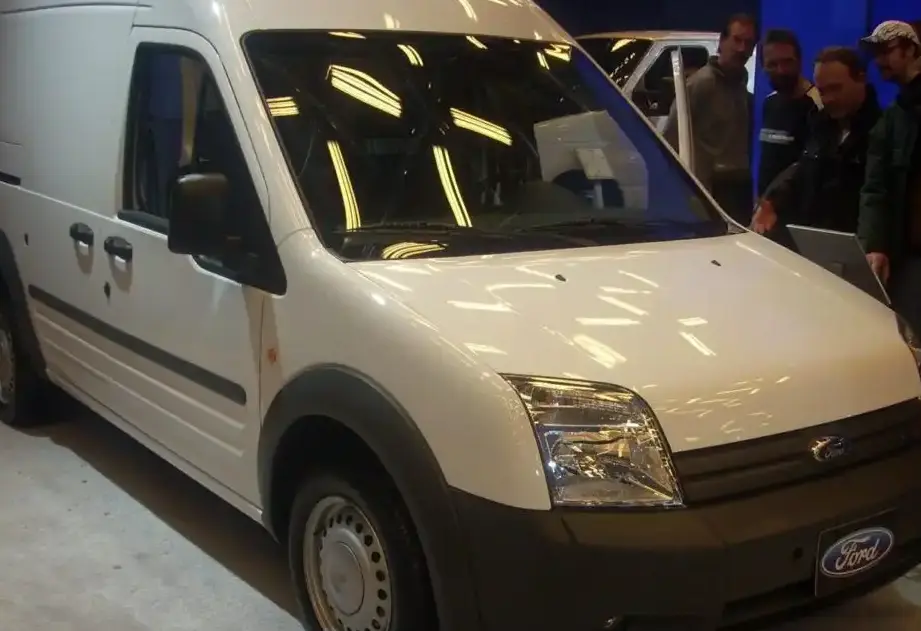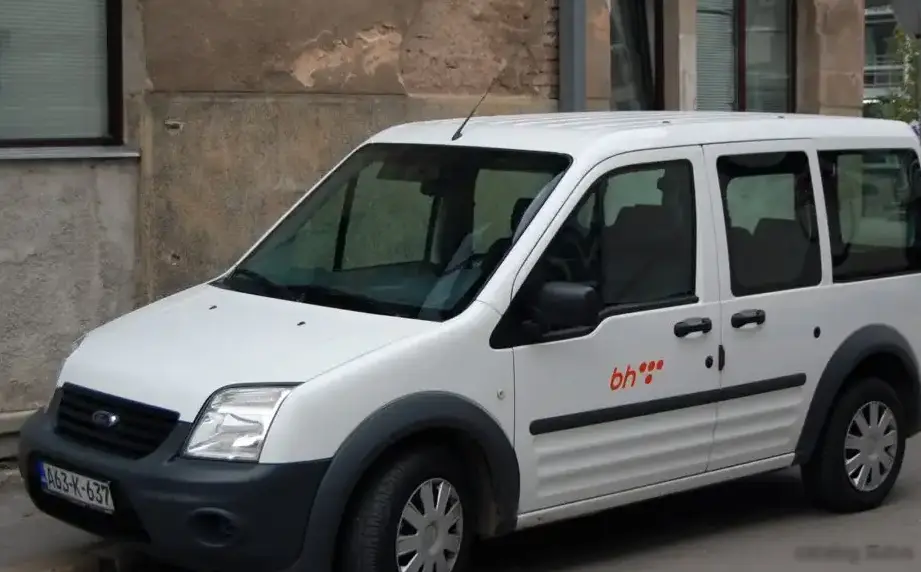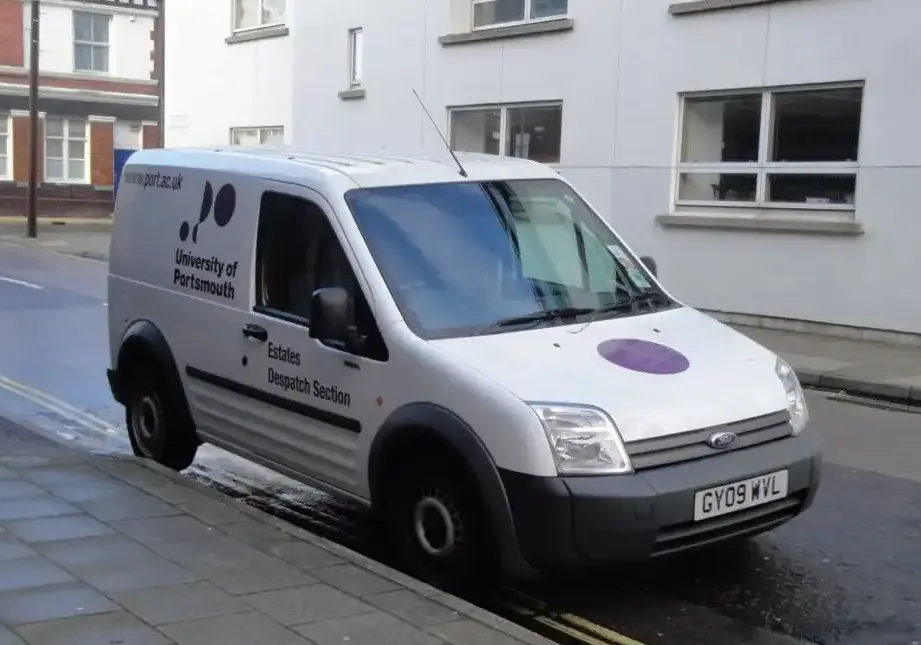
The Ford Transit Connect, introduced in Europe in 2002 and arriving in North America in 2009, represented a significant shift in the compact commercial van segment. Based on the Ford Focus C-platform, it offered a more car-like driving experience than traditional vans. The first generation, and specifically the facelifted version launched in 2006, was available with a range of engine options. This article focuses on the 2006-2009 Ford Transit Connect Panel Van L1H1 equipped with the 1.8 TDCi diesel engine producing 110 horsepower. This configuration was a popular choice in Europe, offering a balance of fuel efficiency and practicality for commercial users and small businesses. The L1H1 designation refers to the short wheelbase and low roof height, making it the most compact version available.
Technical Specifications
| Brand | Ford |
| Model | Transit Connect |
| Generation | Transit Connect I (facelift 2006) Panel Van L1H1 |
| Type (Engine) | 1.8 TDCi (110 Hp) |
| Start of production | 2006 |
| End of production | 2009 |
| Powertrain Architecture | Internal Combustion engine |
| Body type | Minivan |
| Seats | 2 |
| Doors | 3-5 |
| Fuel Type | Diesel |
| Emission standard | Euro 4 |
| Weight-to-power ratio | 12.7 kg/Hp, 78.5 Hp/tonne |
| Weight-to-torque ratio | 5 kg/Nm, 199.7 Nm/tonne |
| Power | 110 Hp @ 3500 rpm |
| Power per litre | 62.7 Hp/l |
| Torque | 280 Nm @ 1500-3200 rpm (206.52 lb.-ft. @ 1500-3200 rpm) |
| Engine layout | Front, Transverse |
| Engine Model/Code | Duratorq / RWPA, RWPB, RWPC, RWPD |
| Engine displacement | 1753 cm3 (106.97 cu. in.) |
| Number of cylinders | 4 |
| Engine configuration | Inline |
| Cylinder Bore | 82.5 mm (3.25 in.) |
| Piston Stroke | 82 mm (3.23 in.) |
| Compression ratio | 17.1:1 |
| Number of valves per cylinder | 2 |
| Fuel injection system | Diesel Commonrail |
| Engine aspiration | Turbocharger, Intercooler |
| Valvetrain | SOHC |
| Engine oil capacity | 5.6 l (5.92 US qt | 4.93 UK qt) |
| Coolant | 7 l (7.4 US qt | 6.16 UK qt) |
| Kerb Weight | 1402-1476 kg (3090.88 – 3254.02 lbs.) |
| Max. weight | 2040-2240 kg (4497.43 – 4938.35 lbs.) |
| Max load | 638-764 kg (1406.55 – 1684.33 lbs.) |
| Trunk (boot) space – minimum | 2800 l (98.88 cu. ft.) |
| Trunk (boot) space – maximum | 3400 l (120.07 cu. ft.) |
| Fuel tank capacity | 60 l (15.85 US gal | 13.2 UK gal) |
| Max. roof load | 100 kg (220.46 lbs.) |
| Length | 4308 mm (169.61 in.) |
| Width | 1795 mm (70.67 in.) |
| Width including mirrors | 2044 mm (80.47 in.) |
| Height | 1814 mm (71.42 in.) |
| Wheelbase | 2664 mm (104.88 in.) |
| Front track | 1505 mm (59.25 in.) |
| Rear (Back) track | 1552 mm (61.1 in.) |
| Front overhang | 894 mm (35.2 in.) |
| Rear overhang | 749 mm (29.49 in.) |
| Ride height (ground clearance) | 166 mm (6.54 in.) |
| Minimum turning circle (turning diameter) | 11 m (36.09 ft.) |
| Drivetrain Architecture | The Internal combustion engine (ICE) drives the front wheels of the vehicle. |
| Drive wheel | Front wheel drive |
| Number of gears and type of gearbox | 5 gears, manual transmission |
| Front suspension | Independent, type McPherson with coil spring and anti-roll bar |
| Rear suspension | Transverse stabilizer, Leaf spring |
| Front brakes | Disc |
| Rear brakes | Drum |
| Assisting systems | ABS (Anti-lock braking system) |
| Steering type | Steering rack and pinion |
| Power steering | Hydraulic Steering |
| Tires size | 195/65 R15 |
| Wheel rims size | 6J x 15 |
INTRODUCTION
The 2006-2009 Ford Transit Connect L1H1 1.8 TDCi, powered by the Duratorq engine, was a key variant in the European market. Positioned as an entry-level option, it catered to businesses and individuals needing a compact, efficient, and affordable commercial vehicle. The facelift in 2006 brought cosmetic updates and refinements to the original model launched in 2002. Built on the Ford Focus C-platform, it offered a more comfortable and refined driving experience compared to traditional, body-on-frame vans. The 1.8 TDCi engine was a mainstay of the Ford lineup at the time, known for its fuel economy and reasonable performance.
Powertrain & Engine Architecture
The heart of this Transit Connect variant is the 1.8-liter Duratorq diesel engine, specifically coded RWPA, RWPB, RWPC, or RWPD depending on the specific calibration and market. This engine is an inline-four cylinder unit featuring a single overhead camshaft (SOHC) and two valves per cylinder. It utilizes a turbocharger with an intercooler to boost power and efficiency. The fuel injection system is a common rail direct injection system, providing precise fuel delivery for optimized combustion. The 1.8 TDCi produces 110 horsepower at 3500 rpm and 280 Nm (206.52 lb-ft) of torque between 1500 and 3200 rpm. This torque curve provides good low-end grunt, making it suitable for carrying loads. The engine features a relatively high compression ratio of 17.1:1, typical for diesel engines. The engine is paired with a 5-speed manual transmission, which was the standard offering for this variant. While an automatic transmission was available in some markets, it was less common with the 1.8 TDCi engine.
Driving Characteristics
The 1.8 TDCi engine, coupled with the 5-speed manual transmission, provides adequate performance for urban and suburban driving. Acceleration is not brisk, but the readily available torque makes it easy to navigate city streets and maintain highway speeds when unladen. When loaded, the engine’s torque becomes more noticeable, allowing for confident overtaking. Compared to the higher-output 2.0-liter TDCi versions, the 1.8 feels less powerful, particularly at higher speeds. The manual transmission offers precise shifts, and the gear ratios are well-suited for maximizing fuel efficiency. The Transit Connect’s car-like chassis contributes to a comfortable ride, and the steering is light and responsive. However, the rear leaf spring suspension can feel somewhat firm when the vehicle is unloaded.
Equipment & Trim Levels
The 1.8 TDCi L1H1 Panel Van was typically offered in a basic trim level, focused on functionality and affordability. Standard equipment included power steering, ABS brakes, a driver’s airbag, and basic instrumentation. The interior was utilitarian, with durable plastic trim and cloth upholstery. The van featured a two-seat configuration with a large cargo area behind the seats. Optional extras included air conditioning, power windows, a radio/CD player, and upgraded interior trim. Higher trim levels, available with the more powerful engines, offered additional features such as alloy wheels, fog lights, and more sophisticated audio systems.
Chassis & Braking
The Transit Connect utilizes an independent McPherson strut front suspension with a coil spring and anti-roll bar, providing good handling and stability. The rear suspension employs a transverse stabilizer and leaf springs, which are robust and capable of handling heavy loads. The front brakes are ventilated discs, while the rear brakes are drums. ABS (Anti-lock Braking System) is standard, enhancing safety during emergency braking. The steering is a rack and pinion system with hydraulic power assistance, providing a light and precise steering feel. The vehicle rides on 195/65 R15 tires mounted on 6J x 15 steel wheels.
Market Reception & Comparison
The Ford Transit Connect 1.8 TDCi was generally well-received by critics for its fuel efficiency, practicality, and car-like driving experience. It was praised for its compact size, making it easy to maneuver in urban environments. Compared to the 2.0-liter TDCi versions, the 1.8 offered lower running costs but sacrificed some performance. The 1.9 TDI versions of the Volkswagen Caddy, a direct competitor, were often seen as offering a slightly more refined driving experience, but the Transit Connect typically offered a lower price point. Fuel economy was a strong point for the 1.8 TDCi, averaging around 40-45 mpg in mixed driving conditions. Reliability was generally good, although some owners reported issues with the turbocharger and fuel injection system.
Legacy
The Ford Transit Connect 1.8 TDCi has proven to be a relatively reliable and durable workhorse. The Duratorq engine, while not without its potential issues, is generally considered robust and capable of high mileage with proper maintenance. In the used car market, these vans remain popular due to their affordability and practicality. They are often sought after by small businesses, tradespeople, and individuals needing a versatile and economical vehicle. The Transit Connect paved the way for a new generation of compact commercial vans, offering a more comfortable and refined alternative to traditional offerings. The 1.8 TDCi variant, while not the most powerful, remains a viable option for those prioritizing fuel efficiency and affordability.