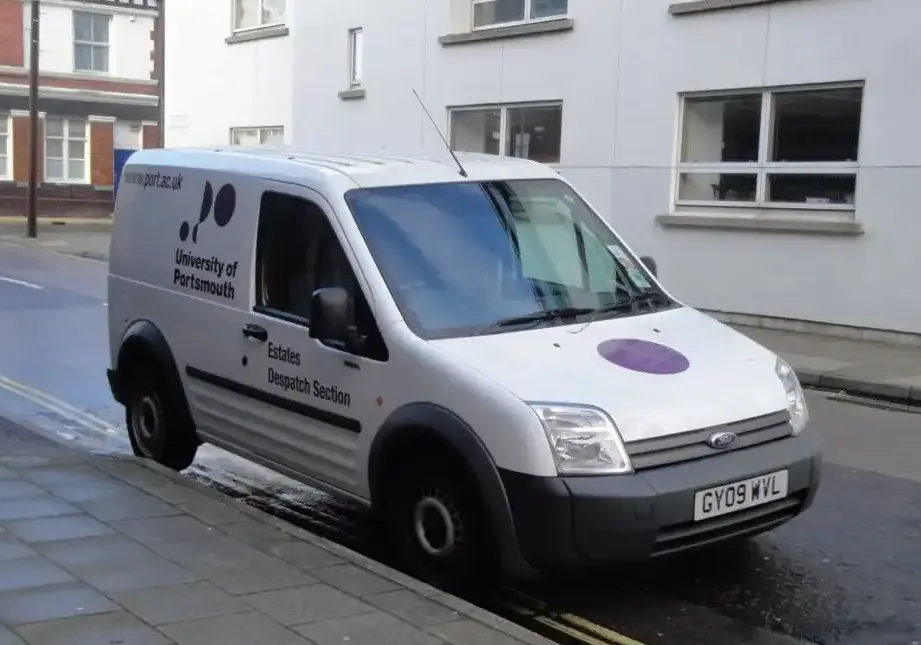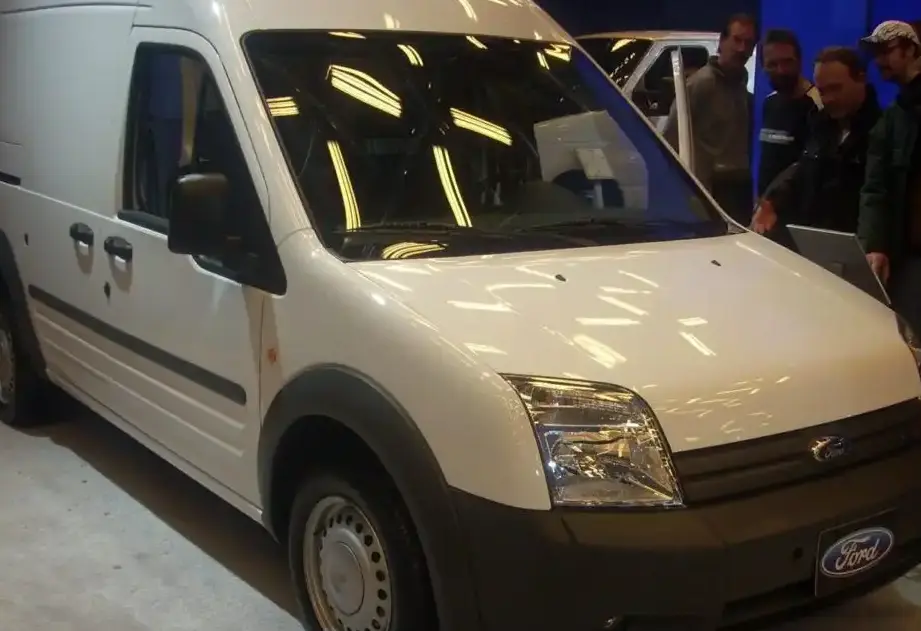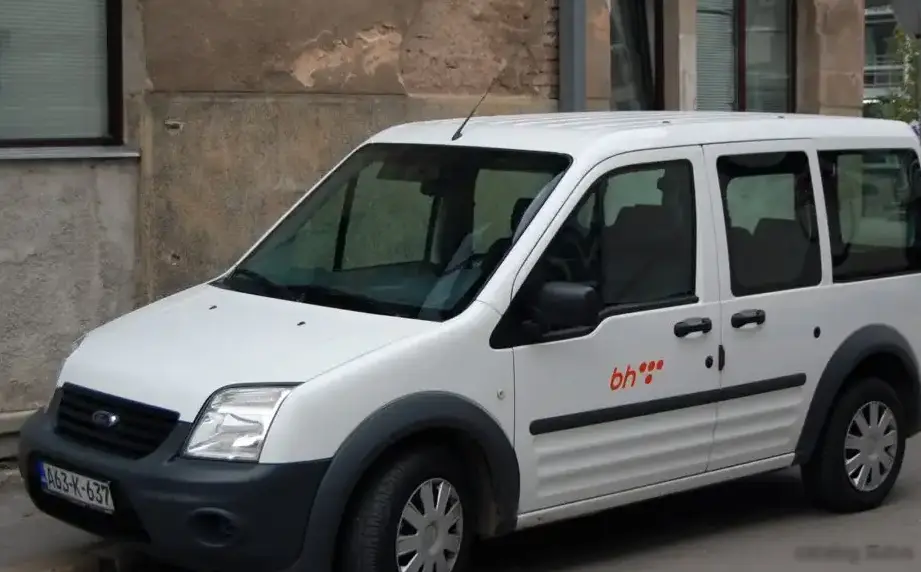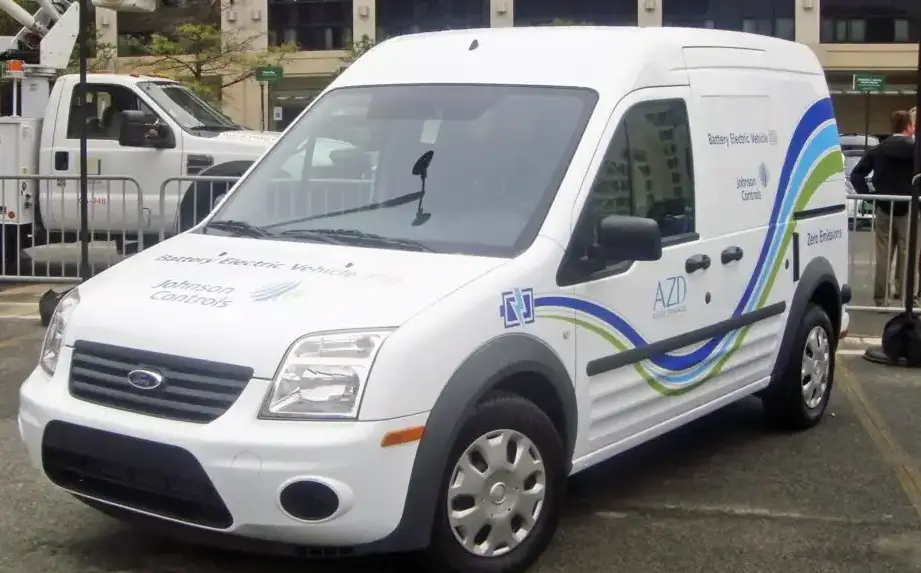
The Ford Transit Connect I (facelift 2009) Panel Van L2H2 28 kWh (71 Hp) Electric represents Ford’s initial foray into the commercial electric vehicle market in North America and Europe. Introduced in December 2010 and produced through March 2012, this variant was based on the first-generation Transit Connect, itself derived from the Ford Focus platform (specifically the C170 series). It aimed to provide a zero-emission solution for urban delivery and service applications, capitalizing on the growing demand for environmentally friendly commercial vehicles. This particular configuration, the L2H2 denoting the long wheelbase and high roof, offered a substantial cargo capacity for its class. It was positioned as a niche offering within the broader Transit Connect lineup, appealing to businesses and organizations prioritizing sustainability.
Technical Specifications
| Brand | Ford |
| Model | Transit Connect |
| Generation | Transit Connect I (facelift 2009) Panel Van L2H2 |
| Type (Engine) | 28 kWh (71 Hp) Electric |
| Start of production | December, 2010 |
| End of production | March, 2012 |
| Powertrain Architecture | BEV (Electric Vehicle) |
| Body type | Minivan |
| Seats | 2 |
| Doors | 5 |
| Fuel Type | Electricity |
| Acceleration 0 – 60 mph | 12 sec |
| Maximum speed | 121 km/h (75.19 mph) |
| Weight-to-power ratio | 25.3 kg/Hp, 39.5 Hp/tonne |
| Weight-to-torque ratio | 7.6 kg/Nm, 130.8 Nm/tonne |
| Gross battery capacity | 28 kWh |
| Battery voltage | 390 V |
| Battery technology | Lithium-ion (Li-Ion) |
| Battery location | Below the floor |
| All-electric range (EPA) | 90 km (55.92 mi) |
| Average Energy consumption (EPA) | 33.6 kWh/100 km (54.07 kWh/100 mi) |
| Energy consumption (EPA) | 62 MPGe, 3 km/kWh, 1.8 mi/kWh |
| Electric motor power | 71 Hp |
| Electric motor Torque | 235 Nm (173.33 lb.-ft.) |
| Electric motor location | Front axle, Transverse |
| Electric motor type | Asynchronous |
| System power | 71 Hp |
| System torque | 235 Nm (173.33 lb.-ft.) |
| Kerb Weight | 1796 kg (3959.5 lbs.) |
| Max. weight | 2270 kg (5004.49 lbs.) |
| Max load | 474 kg (1044.99 lbs.) |
| Trunk (boot) space – minimum | 3670 l (129.6 cu. ft.) |
| Length | 4587 mm (180.59 in.) |
| Width | 1795 mm (70.67 in.) |
| Width including mirrors | 2113 mm (83.19 in.) |
| Height | 2014 mm (79.29 in.) |
| Wheelbase | 2912 mm (114.65 in.) |
| Front track | 1505 mm (59.25 in.) |
| Rear (Back) track | 1552 mm (61.1 in.) |
| Minimum turning circle (turning diameter) | 11.9 m (39.04 ft.) |
| Drivetrain Architecture | One electric motor drives the front wheels. |
| Drive wheel | Front wheel drive |
| Number of gears and type of gearbox | 1 gears, automatic transmission |
| Front suspension | Independent, type McPherson with coil spring and anti-roll bar |
| Rear suspension | Transverse stabilizer, Leaf spring |
| Front brakes | Disc |
| Rear brakes | Drum |
| Assisting systems | ABS (Anti-lock braking system) |
| Steering type | Steering rack and pinion |
| Power steering | Electric Steering |
| Tires size | 205/65 R15 |
| Wheel rims size | 15 |
Powertrain & Engine Architecture
The Transit Connect Electric is powered by a 28 kWh lithium-ion battery pack located under the vehicle floor, minimizing impact on cargo space. This battery feeds an asynchronous electric motor producing 71 horsepower and 235 Nm (173.33 lb.-ft.) of torque. The motor is transversely mounted at the front axle, driving the front wheels. The single-speed automatic transmission simplifies operation, delivering instant torque characteristic of electric motors. The vehicle utilizes a 390V electrical system. The electric powertrain was sourced from Azure Dynamics, a Canadian company specializing in electric vehicle conversions, and later acquired by Ford. The charging port location wasn’t widely publicized, suggesting it was designed for fleet operators with dedicated charging infrastructure.
Driving Characteristics
With only 71 horsepower, the Transit Connect Electric’s performance was modest. Acceleration from 0 to 60 mph took approximately 12 seconds, and the top speed was limited to 75.19 mph. However, the instant torque of the electric motor provided adequate responsiveness for city driving and low-speed maneuvers. The single-speed transmission meant there was no gear shifting, resulting in a smooth, linear power delivery. Compared to the gasoline-powered Transit Connect models, the electric version offered a quieter and more refined driving experience. The limited range of 90 km (55.92 miles) was a significant constraint, making it best suited for short-range, predictable routes.
Equipment & Trim Levels
The Transit Connect Electric was primarily offered as a cargo van, focusing on functionality rather than luxury. Standard equipment included basic features such as air conditioning, power windows, and an AM/FM radio. Safety features included ABS brakes. Due to its target market, options were limited. Fleet customers could specify features like upgraded audio systems or additional cargo area protection. The interior was utilitarian, with durable plastic trim and cloth upholstery. The focus was on providing a practical and reliable work vehicle.
Chassis & Braking
The chassis of the Transit Connect Electric largely mirrored that of the gasoline-powered models. It featured an independent McPherson strut front suspension with a coil spring and anti-roll bar, providing a comfortable ride. The rear suspension utilized a transverse stabilizer and leaf springs, optimized for carrying loads. The front brakes were discs, while the rear brakes were drums. The electric version’s added weight from the battery pack necessitated a slightly firmer suspension tuning to maintain stability and handling. The tires were 205/65 R15, a common size for commercial vehicles.
Market Reception & Comparison
The Transit Connect Electric received mixed reviews. Critics praised its zero-emission operation and suitability for urban deliveries, but the limited range and relatively high price compared to gasoline models were significant drawbacks. Compared to the standard gasoline Transit Connect, the electric version offered lower running costs due to the elimination of fuel expenses, but the initial investment was considerably higher. Against competitors like the Nissan e-NV200, the Transit Connect Electric offered a larger cargo capacity but a shorter range. Fuel economy was rated at 62 MPGe, and energy consumption at 33.6 kWh/100 km.
Legacy
The Ford Transit Connect Electric, while a short-lived model, played a crucial role in Ford’s early exploration of electric commercial vehicles. It provided valuable data and experience that informed the development of subsequent electric vans, such as the current-generation E-Transit. On the used market, these early electric Transit Connects are relatively rare and often sought after by enthusiasts and businesses looking for a unique and environmentally friendly vehicle. The longevity of the battery pack is a key concern for potential buyers, and regular maintenance is essential to ensure optimal performance. While the technology is dated by today’s standards, the Transit Connect Electric remains a significant milestone in the evolution of electric commercial vehicles.