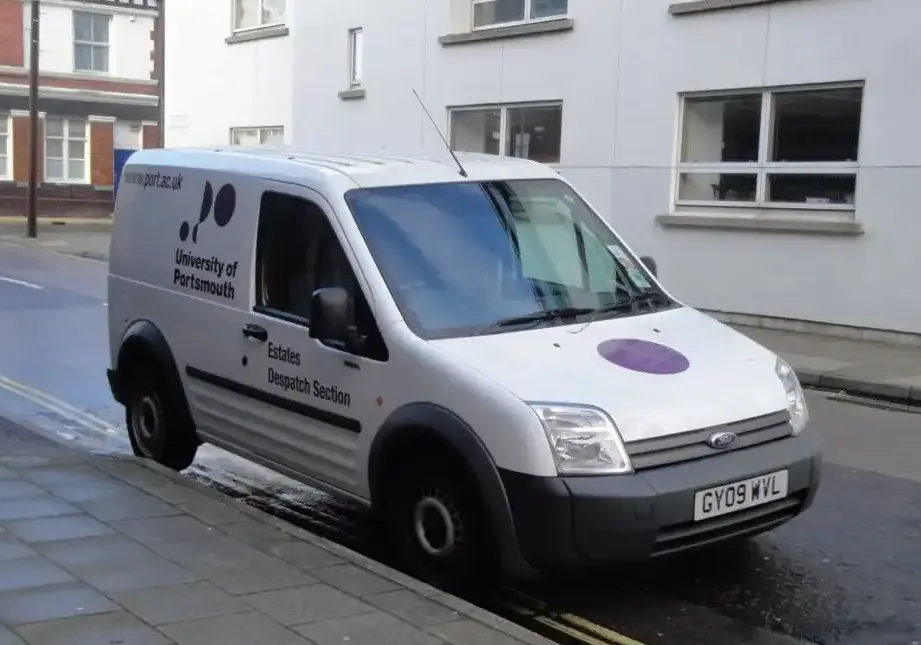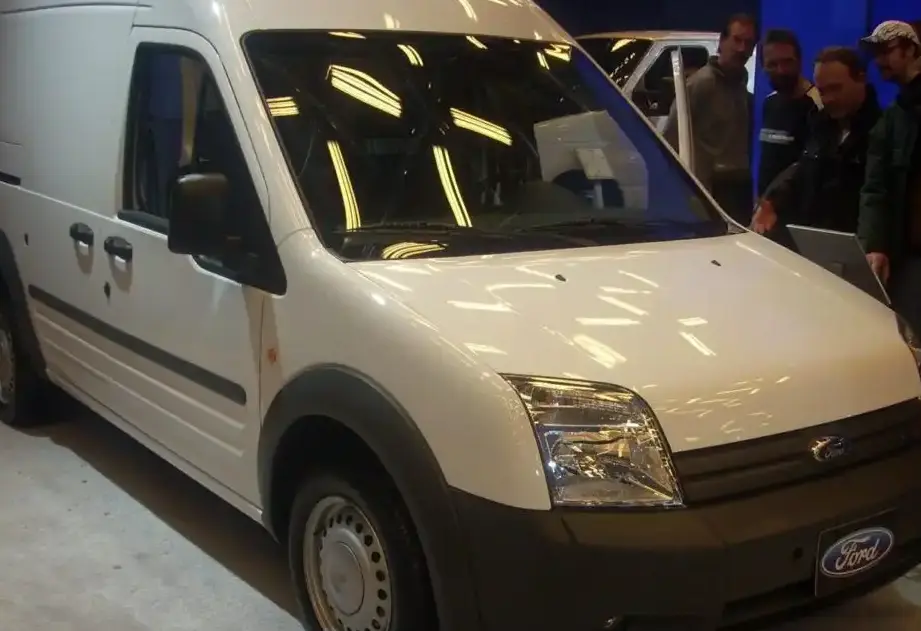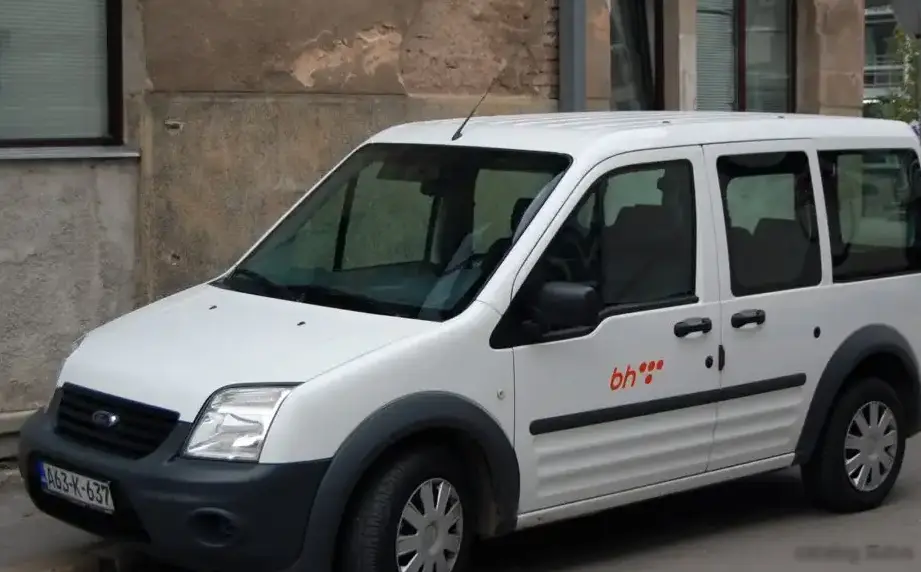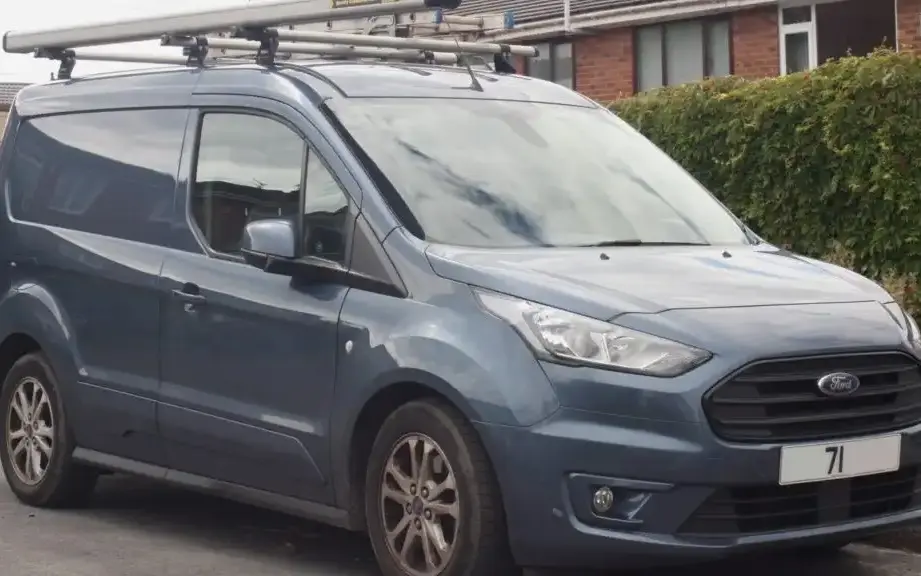
The Ford Transit Connect II (facelift 2018) Panel Van L1 1.5 EcoBlue 75 hp represents an entry-level configuration within the second generation of the popular Ford Transit Connect. Produced from 2018 through 2024, this variant was primarily aimed at businesses and tradespeople requiring a compact, fuel-efficient, and affordable commercial vehicle. Positioned as the base model, it offered a practical solution for urban deliveries and service applications. The “L1” designation indicates the short wheelbase version, making it particularly maneuverable in congested areas. This model is a key part of the broader Transit Connect range, which also included higher-powered diesel options and, in some markets, gasoline engines.
Technical Specifications
| Brand | Ford |
| Model | Transit Connect |
| Generation | Transit Connect II (facelift 2018) Panel Van L1 |
| Type (Engine) | 1.5 EcoBlue (75 Hp) |
| Start of production | 2018 |
| End of production | 2024 |
| Powertrain Architecture | Internal Combustion engine |
| Body type | Minivan |
| Seats | 2-3 |
| Doors | 4-5 |
| Fuel consumption at Low speed (WLTP) | 5.7-5.9 l/100 km (41.3 – 39.9 US mpg, 49.6 – 47.9 UK mpg, 17.5 – 16.9 km/l) |
| Fuel consumption at high speed (WLTP) | 4.8-4.9 l/100 km (49 – 48 US mpg, 58.9 – 57.6 UK mpg, 20.8 – 20.4 km/l) |
| Combined fuel consumption (WLTP) | 5.5-5.6 l/100 km (42.8 – 42 US mpg, 51.4 – 50.4 UK mpg, 18.2 – 17.9 km/l) |
| CO2 emissions (WLTP) | 145-148 g/km |
| Fuel consumption (economy) – urban (NEDC) | 4.9-5 l/100 km (48 – 47 US mpg, 57.6 – 56.5 UK mpg, 20.4 – 20 km/l) |
| Fuel consumption (economy) – extra urban (NEDC) | 4.2-4.6 l/100 km (56 – 51.1 US mpg, 67.3 – 61.4 UK mpg, 23.8 – 21.7 km/l) |
| Fuel consumption (economy) – combined (NEDC) | 4.5-4.7 l/100 km (52.3 – 50 US mpg, 62.8 – 60.1 UK mpg, 22.2 – 21.3 km/l) |
| CO2 emissions (NEDC) | 117-124 g/km |
| Fuel Type | Diesel |
| Emission standard | Euro 6d-TEMP-EVAP-ISC |
| Weight-to-power ratio | 19.4 kg/Hp, 51.7 Hp/tonne |
| Weight-to-torque ratio | 6.6 kg/Nm, 151.5 Nm/tonne |
| Power | 75 Hp |
| Power per litre | 50.1 Hp/l |
| Torque | 220 Nm (162.26 lb.-ft.) |
| Engine layout | Front, Transverse |
| Engine Model/Code | BEGA |
| Engine displacement | 1498 cm3 (91.41 cu. in.) |
| Number of cylinders | 4 |
| Engine configuration | Inline |
| Cylinder Bore | 75 mm (2.95 in.) |
| Piston Stroke | 84.8 mm (3.34 in.) |
| Number of valves per cylinder | 4 |
| Fuel injection system | Diesel Commonrail |
| Engine aspiration | Turbocharger, Intercooler |
| Valvetrain | DOHC |
| Engine oil capacity | 6 l (6.34 US qt | 5.28 UK qt) |
| Coolant | 7 l (7.4 US qt | 6.16 UK qt) |
| Kerb Weight | 1452-1493 kg (3201.11 – 3291.5 lbs.) |
| Max. weight | 2140-2370 kg (4717.89 – 5224.96 lbs.) |
| Max load | 688-877 kg (1516.78 – 1933.45 lbs.) |
| Trunk (boot) space – minimum | 2600 l (91.82 cu. ft.) |
| Trunk (boot) space – maximum | 3700 l (130.66 cu. ft.) |
| Fuel tank capacity | 60 l (15.85 US gal | 13.2 UK gal) |
| AdBlue tank | 17 l (4.49 US gal | 3.74 UK gal) |
| Permitted trailer load with brakes (12%) | 1200 kg (2645.55 lbs.) |
| Permitted trailer load without brakes | 750 kg (1653.47 lbs.) |
| Length | 4425 mm (174.21 in.) |
| Width | 1835 mm (72.24 in.) |
| Width with mirrors folded | 1967 mm (77.44 in.) |
| Width including mirrors | 2137 mm (84.13 in.) |
| Height | 1830-1859 mm (72.05 – 73.19 in.) |
| Wheelbase | 2662 mm (104.8 in.) |
| Front track | 1568 mm (61.73 in.) |
| Rear (Back) track | 1582 mm (62.28 in.) |
| Front overhang | 885 mm (34.84 in.) |
| Rear overhang | 878 mm (34.57 in.) |
| Ride height (ground clearance) | 148-153 mm (5.83 – 6.02 in.) |
| Minimum turning circle (turning diameter) | 11.7 m (38.39 ft.) |
| Drivetrain Architecture | The Internal combustion engine (ICE) drives the front wheels of the vehicle. |
| Drive wheel | Front wheel drive |
| Number of gears and type of gearbox | 6 gears, manual transmission |
| Front suspension | Independent, type McPherson with coil spring and anti-roll bar |
| Rear suspension | Semi-dependent beam with stabilizer lateral stability |
| Front brakes | Ventilated discs |
| Rear brakes | Disc |
| Assisting systems | ABS (Anti-lock braking system) |
| Steering type | Steering rack and pinion |
| Power steering | Electric Steering |
| Tires size | 205/60 R16 |
| Wheel rims size | 6.5J x 16 |
INTRODUCTION
The Ford Transit Connect II, launched in 2013 and receiving a significant facelift in 2018, quickly became a popular choice for commercial operators in Europe and, to a lesser extent, North America. The 1.5 EcoBlue 75 hp variant, introduced with the 2018 refresh, represented the entry point into the range. This version was designed for maximizing fuel economy and minimizing running costs, making it ideal for businesses prioritizing practicality over outright performance. Built on the Ford C2 platform (shared with the Focus), the Transit Connect offered a car-like driving experience combined with the cargo capacity expected of a small van. The L1 designation signifies the shorter wheelbase model, offering enhanced maneuverability in urban environments.
Powertrain & Engine Architecture
The heart of this Transit Connect is the 1.5-liter EcoBlue diesel engine, specifically the BEGA engine code. This engine is a four-cylinder, inline configuration, utilizing a turbocharger with intercooling to boost power and efficiency. The EcoBlue series represented Ford’s advancements in diesel technology, focusing on reducing emissions and improving fuel economy. The engine employs a diesel commonrail fuel injection system, delivering precise fuel metering for optimal combustion. The valvetrain utilizes a Double Overhead Camshaft (DOHC) design, contributing to efficient valve control. This particular 75 hp version is paired with a six-speed manual transmission, chosen for its efficiency and cost-effectiveness. The transmission’s gear ratios are tuned for maximizing fuel economy, with a relatively tall final drive. A start/stop system is included as standard, further enhancing fuel savings in urban driving conditions. The engine also features a particulate filter to meet stringent Euro 6d-TEMP emission standards.
Driving Characteristics
The 75 hp EcoBlue engine, while adequate for many urban delivery tasks, doesn’t offer blistering performance. Acceleration is modest, and overtaking requires careful planning. The six-speed manual transmission helps to keep the engine in its optimal power band, but the limited horsepower is noticeable when the van is fully loaded. The gear ratios are spaced to prioritize fuel efficiency, meaning the engine can feel strained when climbing hills or accelerating quickly. Compared to the higher-powered 120 hp or 150 hp versions of the 1.5 EcoBlue, this variant feels significantly slower. However, the lighter weight of the L1 wheelbase model helps to mitigate some of the performance deficit. The suspension is tuned for comfort and practicality, providing a reasonably smooth ride even when carrying a load. Steering is light and precise, making it easy to maneuver in tight spaces.
Equipment & Trim Levels
The 1.5 EcoBlue 75 hp Transit Connect L1 typically came with a basic but functional equipment level. Standard features generally included power steering, ABS, driver and passenger airbags, a basic audio system with USB connectivity, and manual air conditioning. The interior typically featured durable cloth upholstery and a functional dashboard layout. Optional extras included features like parking sensors, a rearview camera, upgraded audio systems, and navigation. The van’s interior is designed with practicality in mind, offering a configurable cargo area with tie-down points and durable plastic trim. The driver’s seat is adjustable for height and lumbar support, providing a comfortable driving position.
Chassis & Braking
The Transit Connect L1 utilizes an independent McPherson strut front suspension, providing good handling and ride comfort. The rear suspension employs a semi-dependent beam axle with a stabilizer bar, offering a balance between load-carrying capacity and stability. The braking system consists of ventilated discs on the front wheels and solid discs on the rear, providing adequate stopping power for the vehicle’s weight. ABS (Anti-lock Braking System) is standard, enhancing safety in emergency braking situations. The steering system is a rack and pinion type with electric power assistance, offering light and precise steering feel.
Market Reception & Comparison
The 1.5 EcoBlue 75 hp Transit Connect L1 was generally well-received by critics as a cost-effective and fuel-efficient commercial vehicle. Its primary strength was its low running costs, making it attractive to businesses operating on tight budgets. Compared to the higher-powered versions, it was seen as less refined and slower, but the fuel economy advantage was significant. Against competitors like the Volkswagen Caddy and Citroën Berlingo, the Transit Connect offered a competitive package in terms of price, practicality, and fuel efficiency. Reliability reports suggest that the 1.5 EcoBlue engine is generally robust, although regular maintenance is crucial for ensuring long-term durability.
Legacy
The Ford Transit Connect II, particularly the 1.5 EcoBlue 75 hp variant, has established a strong reputation as a reliable and economical workhorse. On the used car market, these vans remain popular due to their affordability and practicality. The 1.5 EcoBlue engine, while not known for its high performance, has proven to be relatively durable with proper maintenance. Common issues reported include diesel particulate filter (DPF) problems if the vehicle is primarily used for short trips, and occasional issues with the turbocharger. Overall, the Transit Connect II 1.5 EcoBlue 75 hp represents a sensible choice for businesses and individuals seeking a compact, fuel-efficient, and affordable commercial vehicle.