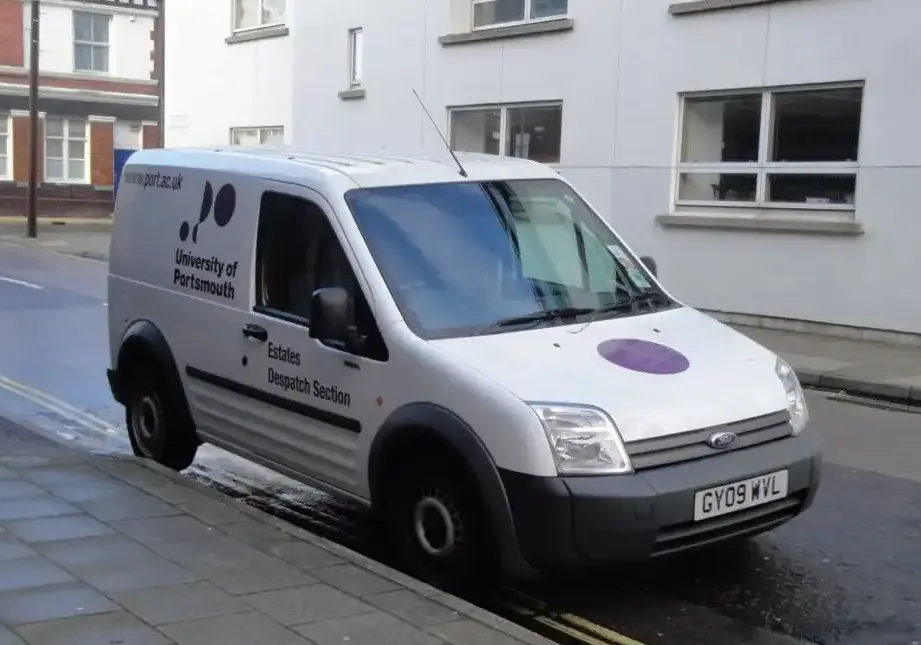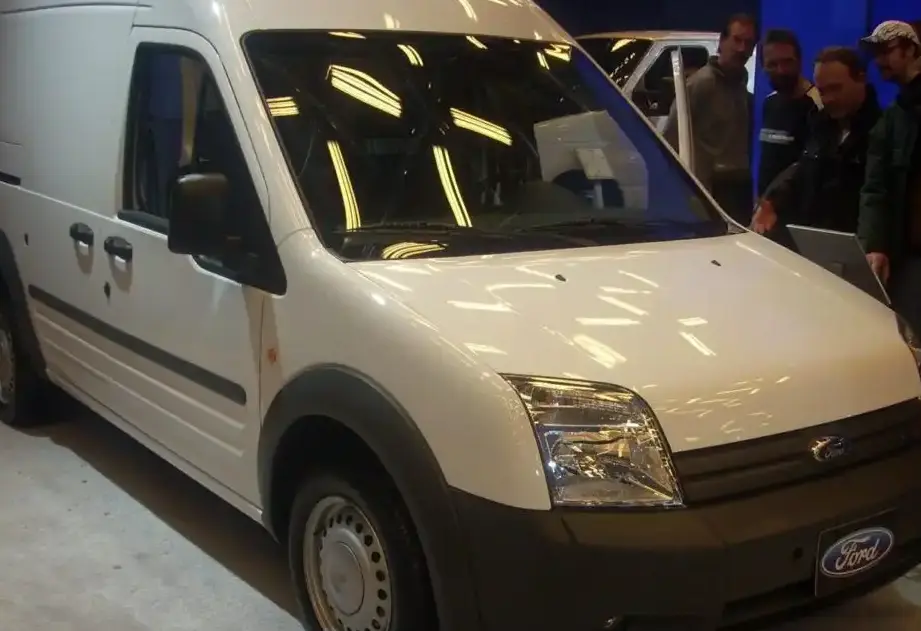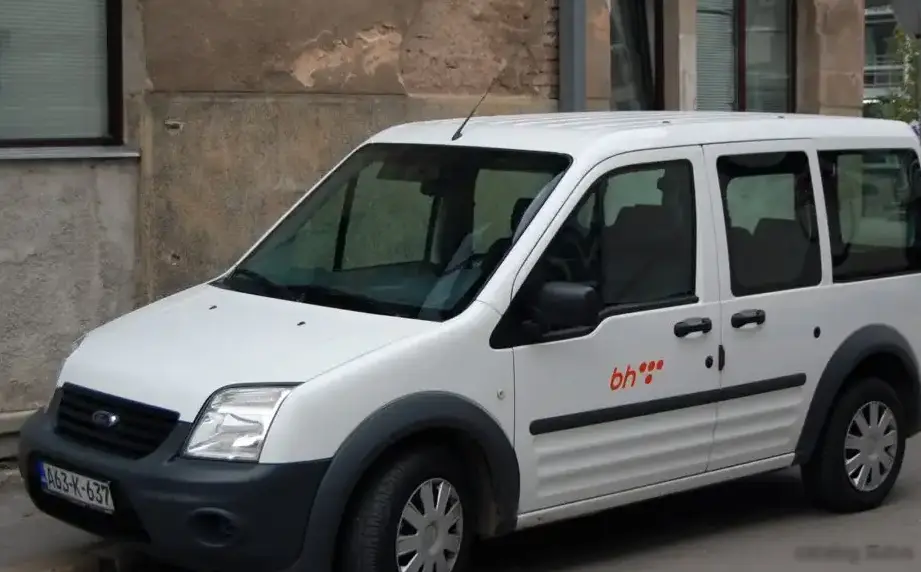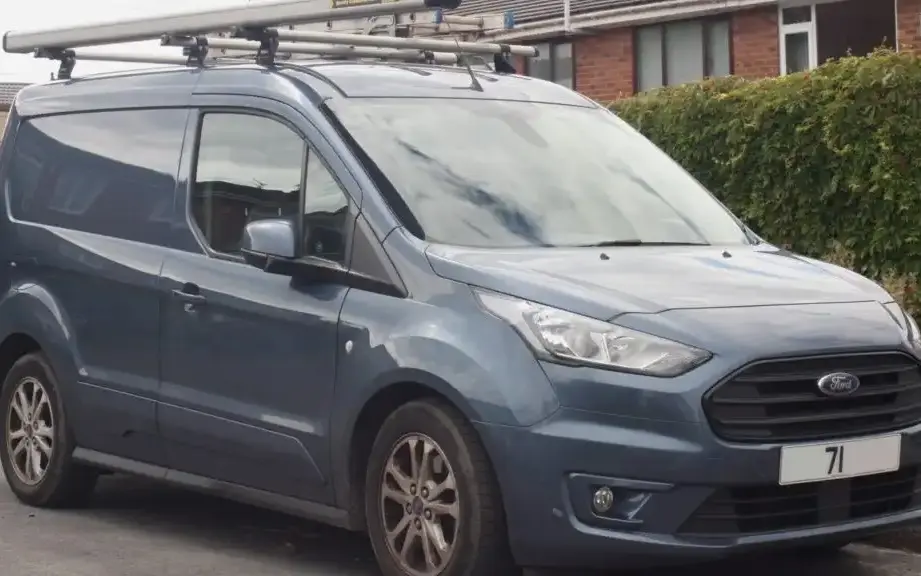
The Ford Transit Connect II (facelift 2018) Panel Van L1 2.0 GDI (162 Hp) SelectShift represents a mid-cycle refresh of Ford’s compact commercial van, sold in North America from 2018 to 2023. Positioned as a versatile solution for small businesses and tradespeople, this variant offered a balance between fuel efficiency, payload capacity, and ease of driving. It falls within the second generation of the Transit Connect, based on the global C1 platform shared with the Ford Focus, and the facelift brought updated styling, improved technology, and a revised powertrain lineup. This particular configuration, with the 2.0-liter GDI engine and SelectShift automatic transmission, was a popular choice for those prioritizing convenience over outright performance.
Technical Specifications
| Brand | Ford |
| Model | Transit Connect |
| Generation | Transit Connect II (facelift 2018) Panel Van L1 |
| Type (Engine) | 2.0 GDI (162 Hp) SelectShift |
| Start of production | 2018 |
| End of production | 2023 |
| Powertrain Architecture | Internal Combustion engine |
| Body type | Minivan |
| Seats | 2 |
| Doors | 4-5 |
| Fuel consumption (economy) – urban (EPA) | 9.8 l/100 km (24 US mpg, 28.8 UK mpg, 10.2 km/l) |
| Fuel consumption (economy) – extra urban (EPA) | 8.7 l/100 km (27 US mpg, 32.5 UK mpg, 11.5 km/l) |
| Fuel consumption (economy) – combined (EPA) | 9.4 l/100 km (25 US mpg, 30.1 UK mpg, 10.6 km/l) |
| Fuel Type | Petrol (Gasoline) |
| Weight-to-power ratio | 10 kg/Hp, 99.8 Hp/tonne |
| Weight-to-torque ratio | 8.3 kg/Nm, 120.1 Nm/tonne |
| Power | 162 Hp @ 6500 rpm |
| Power per litre | 81 Hp/l |
| Torque | 195 Nm @ 4500 rpm (143.82 lb.-ft. @ 4500 rpm) |
| Maximum engine speed | 7000 rpm |
| Engine layout | Front, Transverse |
| Engine Model/Code | Duratec 20 |
| Engine displacement | 1999 cm3 (121.99 cu. in.) |
| Number of cylinders | 4 |
| Engine configuration | Inline |
| Cylinder Bore | 87.5 mm (3.44 in.) |
| Piston Stroke | 83.1 mm (3.27 in.) |
| Compression ratio | 12:1 |
| Number of valves per cylinder | 4 |
| Fuel injection system | Direct injection |
| Engine aspiration | Naturally aspirated engine |
| Valvetrain | DOHC, Ti-VCT |
| Engine oil capacity | 4.54 l (4.8 US qt | 3.99 UK qt) |
| Coolant | 8 l (8.45 US qt | 7.04 UK qt) |
| Kerb Weight | 1624 kg (3580.31 lbs.) |
| Max. weight | 2377 kg (5240.39 lbs.) |
| Max load | 753 kg (1660.08 lbs.) |
| Trunk (boot) space – minimum | 2600 l (91.82 cu. ft.) |
| Trunk (boot) space – maximum | 3700 l (130.66 cu. ft.) |
| Fuel tank capacity | 60 l (15.85 US gal | 13.2 UK gal) |
| Permitted trailer load with brakes (12%) | 907 kg (1999.59 lbs.) |
| Length | 4425 mm (174.21 in.) |
| Width | 1835 mm (72.24 in.) |
| Width with mirrors folded | 1967 mm (77.44 in.) |
| Width including mirrors | 2137 mm (84.13 in.) |
| Height | 1830 mm (72.05 in.) |
| Wheelbase | 2662 mm (104.8 in.) |
| Front track | 1560 mm (61.42 in.) |
| Rear (Back) track | 1567 mm (61.69 in.) |
| Front overhang | 885 mm (34.84 in.) |
| Rear overhang | 878 mm (34.57 in.) |
| Ride height (ground clearance) | 138 mm (5.43 in.) |
| Minimum turning circle (turning diameter) | 11.7 m (38.39 ft.) |
| Drivetrain Architecture | The Internal combustion engine (ICE) drives the front wheels of the vehicle. |
| Drive wheel | Front wheel drive |
| Number of gears and type of gearbox | 8 gears, automatic transmission SelectShift |
| Front suspension | Independent, type McPherson with coil spring and anti-roll bar |
| Rear suspension | Semi-dependent beam with stabilizer lateral stability |
| Front brakes | Ventilated discs |
| Rear brakes | Disc, 280×11 mm |
| Assisting systems | ABS (Anti-lock braking system) |
| Steering type | Steering rack and pinion |
| Power steering | Electric Steering |
| Tires size | 215/55 R16 |
| Wheel rims size | 6.5J x 16 |
INTRODUCTION
The 2018-2023 Ford Transit Connect L1 Panel Van, equipped with the 2.0-liter GDI engine and SelectShift automatic transmission, was a key offering in Ford’s commercial vehicle lineup. The “L1” designation indicates the short wheelbase version, making it particularly maneuverable in urban environments. This facelifted model built upon the strengths of the second-generation Transit Connect, introduced in 2014, addressing customer feedback and incorporating updated technology. It served as a direct competitor to vehicles like the Ram ProMaster City and the Nissan NV200, targeting small business owners, delivery services, and tradespeople needing a compact, efficient, and reliable van.
Powertrain & Engine Architecture
At the heart of this Transit Connect variant lies the Ford Duratec 20 2.0-liter inline-four cylinder engine. This engine utilizes direct fuel injection (GDI) to enhance efficiency and power output. The Duratec 20 features a double overhead camshaft (DOHC) valvetrain with variable valve timing (Ti-VCT) on both intake and exhaust camshafts, optimizing performance across the rev range. The engine produces 162 horsepower at 6500 rpm and 195 Nm (143.82 lb-ft) of torque at 4500 rpm. Paired with this engine is Ford’s SelectShift 8-speed automatic transmission. This transmission isn’t a traditional torque-converter automatic; it incorporates a clutch and transmission control module to mimic the feel of a manual gearbox, offering smoother shifts and improved fuel economy. The engine’s layout is front-engine, transverse, driving the front wheels.
Driving Characteristics
The 2.0 GDI engine and SelectShift automatic transmission combination in the Transit Connect L1 provides adequate, though not exhilarating, performance. Acceleration is sufficient for typical urban and suburban driving, but the van isn’t designed for rapid acceleration or hauling heavy loads at high speeds. The 8-speed automatic transmission helps keep the engine in its optimal power band, providing reasonably responsive shifts. Compared to the manual transmission option, the automatic prioritizes convenience and ease of use, making it ideal for drivers spending significant time in stop-and-go traffic. However, the manual transmission generally offered slightly better fuel economy and a more engaging driving experience. The gear ratios are tuned for efficiency, with taller gearing in the upper gears to reduce engine speed at highway speeds.
Equipment & Trim Levels
The Transit Connect L1 2.0 GDI SelectShift typically came standard with features like air conditioning, a basic audio system with Bluetooth connectivity, power windows and locks, and a rearview camera. Safety features included antilock brakes (ABS) and stability control. Higher trim levels, such as the XLT, added features like a touchscreen infotainment system with Apple CarPlay and Android Auto compatibility, upgraded interior trim, and additional safety features like blind-spot monitoring and rear cross-traffic alert. Optional extras included a cargo area organizer, upgraded seating, and various exterior styling enhancements. The interior was functional and durable, designed for commercial use, with hard-wearing plastics and easy-to-clean surfaces.
Chassis & Braking
The Transit Connect L1 utilizes an independent McPherson strut front suspension with a coil spring and anti-roll bar, providing a comfortable ride and predictable handling. The rear suspension employs a semi-dependent beam axle with a stabilizer bar, balancing ride comfort with load-carrying capability. Braking duties are handled by ventilated discs at the front and solid discs at the rear. The braking system is assisted by ABS, ensuring stable stopping performance even on slippery surfaces. The relatively lightweight construction of the van contributes to its nimble handling characteristics.
Market Reception & Comparison
The Ford Transit Connect L1 2.0 GDI SelectShift was generally well-received by critics and customers alike. It was praised for its fuel efficiency, maneuverability, and versatile cargo space. However, some reviewers noted that the engine could feel strained when fully loaded or climbing steep hills. Compared to the base 1.6-liter engine option (available in some markets), the 2.0-liter GDI offered a noticeable improvement in performance. Against competitors like the Ram ProMaster City, the Transit Connect often stood out for its more refined interior and available technology features. Fuel economy figures of around 25 mpg combined were competitive within its class.
Legacy
The Ford Transit Connect II, including the 2.0 GDI SelectShift variant, has proven to be a reliable and durable commercial vehicle. The Duratec 20 engine, while not known for being exceptionally powerful, is generally considered to be a robust and long-lasting unit. The SelectShift transmission, when properly maintained, has also demonstrated good reliability. On the used car market, these vans continue to hold their value reasonably well, particularly those with lower mileage and a well-documented maintenance history. They remain a popular choice for small businesses and individuals seeking an affordable and practical commercial van solution.