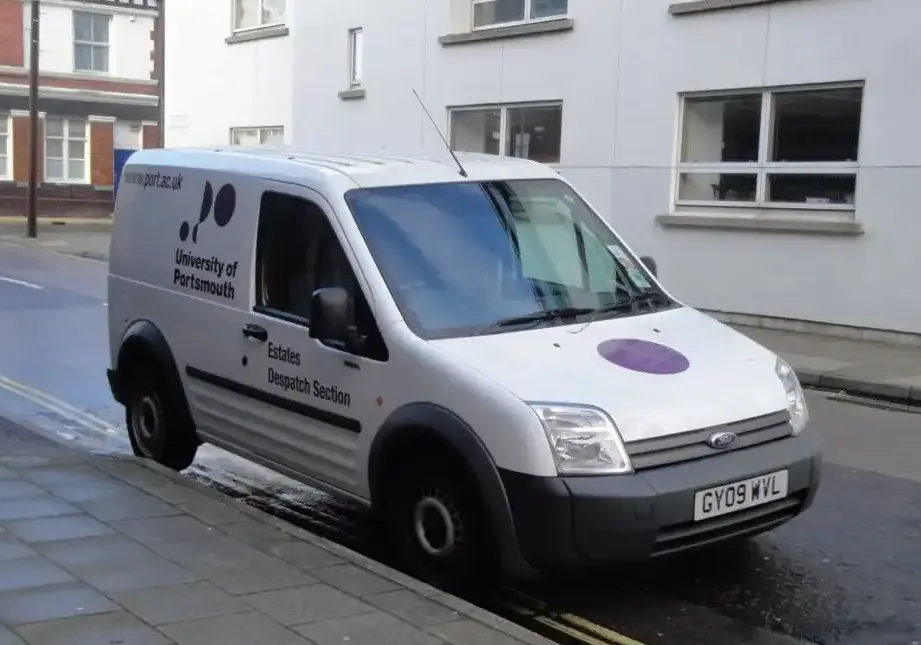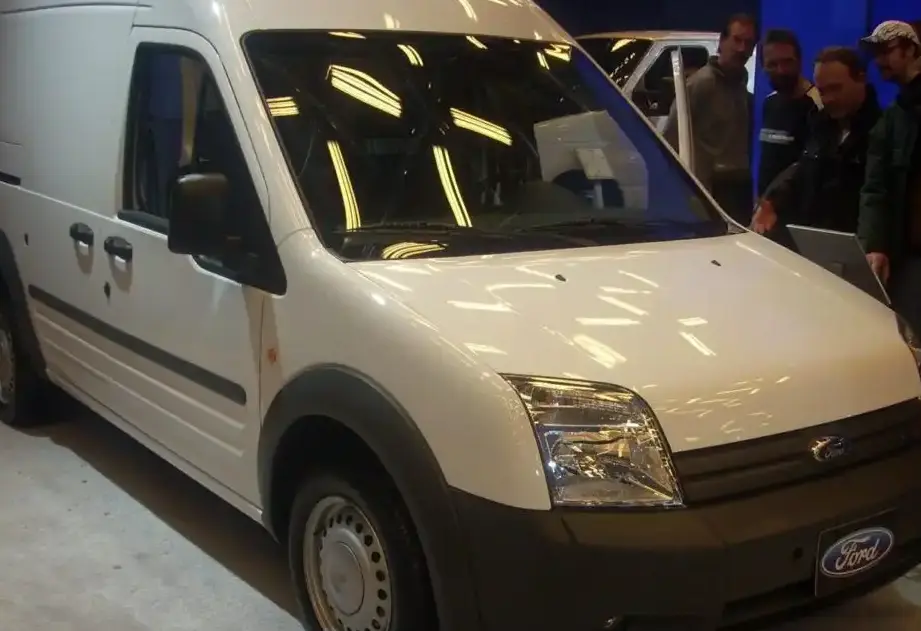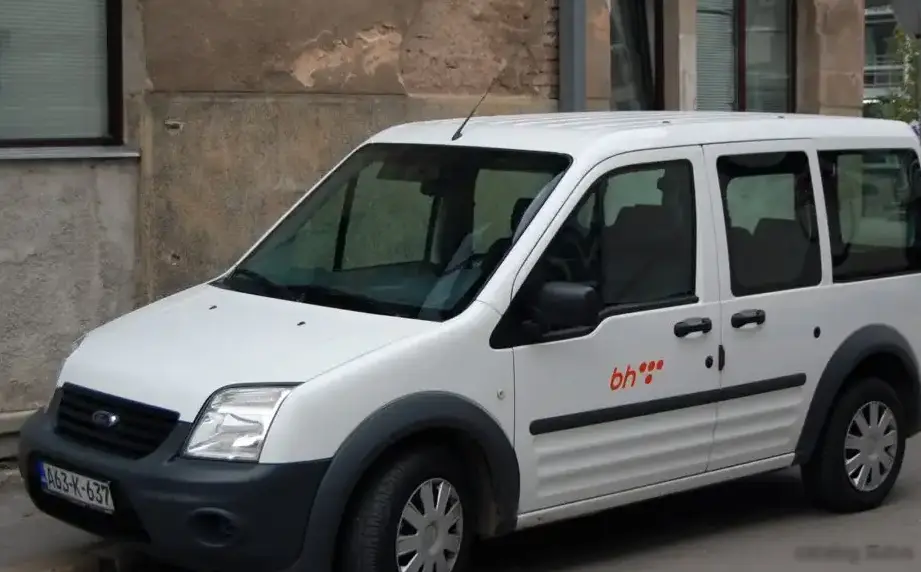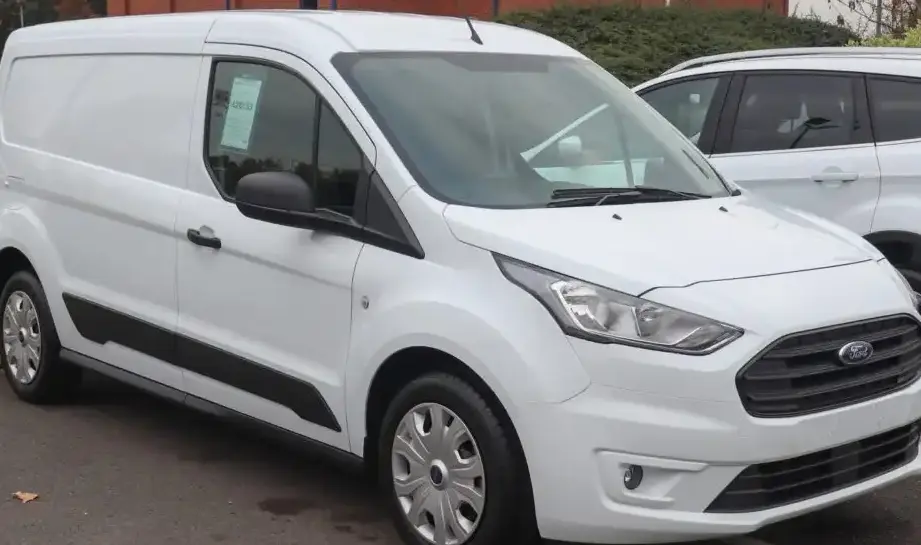
The Ford Transit Connect II (facelift 2018) Panel Van L2 2.0 GDI (162 Hp) SelectShift represents a mid-cycle refresh of the second-generation Transit Connect, a compact commercial vehicle sold primarily in North America and Europe. Produced from 2018 to 2023, this variant occupied a key position in the Transit Connect lineup, offering a balance between fuel efficiency, payload capacity, and a more refined driving experience compared to lower-trim models. It was designed to appeal to small business owners, delivery services, and tradespeople needing a versatile and economical cargo solution. The “L2” designation indicates the long wheelbase version, providing increased cargo volume. This model year saw updates to the exterior styling, interior technology, and safety features, enhancing its competitiveness in the small van segment.
Technical Specifications
| Brand | Ford |
| Model | Transit Connect |
| Generation | Transit Connect II (facelift 2018) Panel Van L2 |
| Type (Engine) | 2.0 GDI (162 Hp) SelectShift |
| Start of production | 2018 |
| End of production | 2023 |
| Powertrain Architecture | Internal Combustion engine |
| Body type | Minivan |
| Seats | 2 |
| Doors | 4-5 |
| Fuel consumption (economy) – urban (EPA) | 9.8 l/100 km (24 US mpg, 28.8 UK mpg, 10.2 km/l) |
| Fuel consumption (economy) – extra urban (EPA) | 8.7 l/100 km (27 US mpg, 32.5 UK mpg, 11.5 km/l) |
| Fuel consumption (economy) – combined (EPA) | 9.4 l/100 km (25 US mpg, 30.1 UK mpg, 10.6 km/l) |
| Fuel Type | Petrol (Gasoline) |
| Weight-to-power ratio | 10.4 kg/Hp, 96.2 Hp/tonne |
| Weight-to-torque ratio | 8.6 kg/Nm, 115.8 Nm/tonne |
| Power | 162 Hp @ 6500 rpm |
| Power per litre | 81 Hp/l |
| Torque | 195 Nm @ 4500 rpm (143.82 lb.-ft. @ 4500 rpm) |
| Maximum engine speed | 7000 rpm |
| Engine layout | Front, Transverse |
| Engine Model/Code | Duratec 20 |
| Engine displacement | 1999 cm3 (121.99 cu. in.) |
| Number of cylinders | 4 |
| Engine configuration | Inline |
| Cylinder Bore | 87.5 mm (3.44 in.) |
| Piston Stroke | 83.1 mm (3.27 in.) |
| Compression ratio | 12:1 |
| Number of valves per cylinder | 4 |
| Fuel injection system | Direct injection |
| Engine aspiration | Naturally aspirated engine |
| Valvetrain | DOHC, Ti-VCT |
| Engine oil capacity | 4.54 l (4.8 US qt | 3.99 UK qt) |
| Coolant | 8 l (8.45 US qt | 7.04 UK qt) |
| Kerb Weight | 1684 kg (3712.58 lbs.) |
| Max. weight | 2405 kg (5302.12 lbs.) |
| Max load | 721 kg (1589.53 lbs.) |
| Trunk (boot) space – minimum | 3200 l (113.01 cu. ft.) |
| Trunk (boot) space – maximum | 4400 l (155.38 cu. ft.) |
| Fuel tank capacity | 60 l (15.85 US gal | 13.2 UK gal) |
| Permitted trailer load with brakes (12%) | 907 kg (1999.59 lbs.) |
| Length | 4825 mm (189.96 in.) |
| Width | 1835 mm (72.24 in.) |
| Width with mirrors folded | 1967 mm (77.44 in.) |
| Width including mirrors | 2137 mm (84.13 in.) |
| Height | 1828 mm (71.97 in.) |
| Wheelbase | 3062 mm (120.55 in.) |
| Front track | 1560 mm (61.42 in.) |
| Rear (Back) track | 1567 mm (61.69 in.) |
| Front overhang | 885 mm (34.84 in.) |
| Rear overhang | 878 mm (34.57 in.) |
| Ride height (ground clearance) | 143 mm (5.63 in.) |
| Minimum turning circle (turning diameter) | 12.2 m (40.03 ft.) |
| Drivetrain Architecture | The Internal combustion engine (ICE) drives the front wheels of the vehicle. |
| Drive wheel | Front wheel drive |
| Number of gears and type of gearbox | 8 gears, automatic transmission SelectShift |
| Front suspension | Independent, type McPherson with coil spring and anti-roll bar |
| Rear suspension | Semi-dependent beam with stabilizer lateral stability |
| Front brakes | Ventilated discs |
| Rear brakes | Disc, 280×11 mm |
| Assisting systems | ABS (Anti-lock braking system) |
| Steering type | Steering rack and pinion |
| Power steering | Electric Steering |
| Tires size | 215/55 R16 |
| Wheel rims size | 6.5J x 16 |
Powertrain & Engine Architecture
The heart of this Transit Connect variant is the Ford Duratec 20 2.0-liter inline-four cylinder gasoline engine. This engine utilizes direct fuel injection (GDI) to enhance efficiency and power output. The Duratec 20 features a double overhead camshaft (DOHC) valvetrain with variable valve timing (Ti-VCT) on both intake and exhaust camshafts, optimizing performance across the rev range. The engine produces 162 horsepower at 6500 rpm and 195 Nm (143.82 lb-ft) of torque at 4500 rpm. Paired with this engine is Ford’s SelectShift 8-speed automatic transmission. This transmission isn’t a traditional automatic; it incorporates selectable shift modes, allowing drivers to manually shift gears if desired, offering a degree of control not found in simpler automatic gearboxes. The engine is transversely mounted, driving the front wheels.
Driving Characteristics
The 2.0 GDI engine and SelectShift transmission provide a noticeable improvement in driving experience compared to earlier Transit Connect models with smaller engines. While not a performance vehicle, the 162 hp output delivers adequate power for everyday driving and typical commercial applications. Acceleration is reasonable, and the 8-speed automatic transmission helps keep the engine in its optimal power band. The SelectShift feature allows for more engaging driving when needed, particularly when navigating hilly terrain or carrying a heavy load. Compared to the manual transmission option (where available), the automatic prioritizes ease of use and convenience, making it ideal for stop-and-go city driving. However, the manual transmission generally offered slightly better fuel economy.
Equipment & Trim Levels
The 2018-2023 Transit Connect L2 2.0 GDI SelectShift typically came standard with features like air conditioning, power windows and locks, a basic audio system with USB connectivity, and a rearview camera. Safety features included antilock brakes (ABS) and stability control. Higher trim levels, such as the XLT, added features like alloy wheels, upgraded audio systems with touchscreen displays, Bluetooth connectivity, and advanced safety technologies like lane departure warning and forward collision warning. Optional extras included a roof rack, upgraded seating, and various cargo area configurations.
Chassis & Braking
The Transit Connect utilizes an independent McPherson strut front suspension and a semi-independent rear beam suspension with a stabilizer bar. This setup provides a comfortable ride quality while maintaining reasonable handling characteristics. The front brakes are ventilated discs, while the rear brakes are discs, offering adequate stopping power for the vehicle’s weight. The electric power steering provides light and responsive steering feel. The L2 long wheelbase version offers increased stability compared to the shorter wheelbase model, particularly when fully loaded.
Market Reception & Comparison
The Ford Transit Connect II (facelift 2018) with the 2.0 GDI engine and SelectShift transmission was generally well-received by critics and consumers. It was praised for its fuel efficiency, spacious interior, and versatile cargo capacity. Compared to other small vans in its class, such as the Ram ProMaster City and the Nissan NV200, the Transit Connect offered a more refined driving experience and a wider range of available features. The automatic transmission was seen as a significant improvement over older automatic options, providing smoother shifts and better overall performance. Fuel economy figures were competitive, averaging around 25 mpg combined.
Legacy
The Duratec 20 engine, while not known for being exceptionally complex, has proven to be reasonably reliable in the Transit Connect. Common issues are typically related to routine maintenance items such as spark plugs, fuel injectors, and the timing chain. The SelectShift transmission has also demonstrated good durability, although regular fluid changes are crucial for maintaining its performance. On the used car market, these Transit Connects are often sought after for their practicality and affordability. They represent a good value for small businesses and individuals needing a dependable and economical cargo van. The 2018 facelift model, with its updated styling and features, generally commands a slightly higher price than earlier versions.