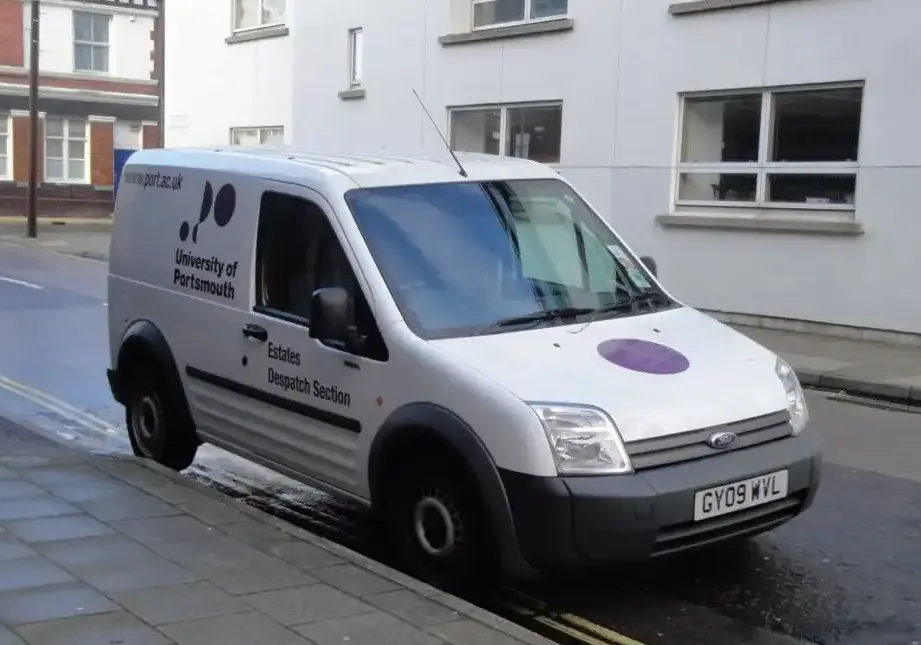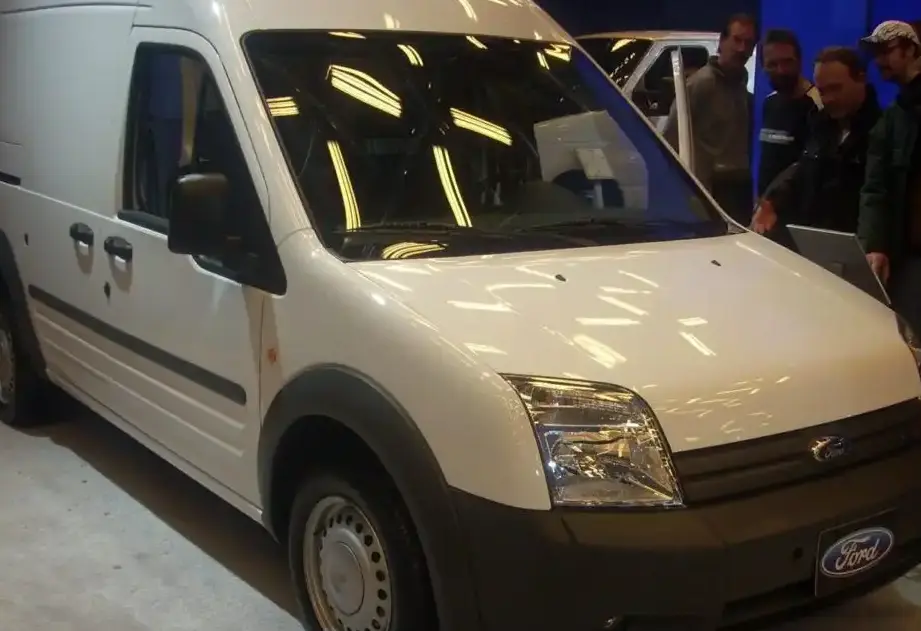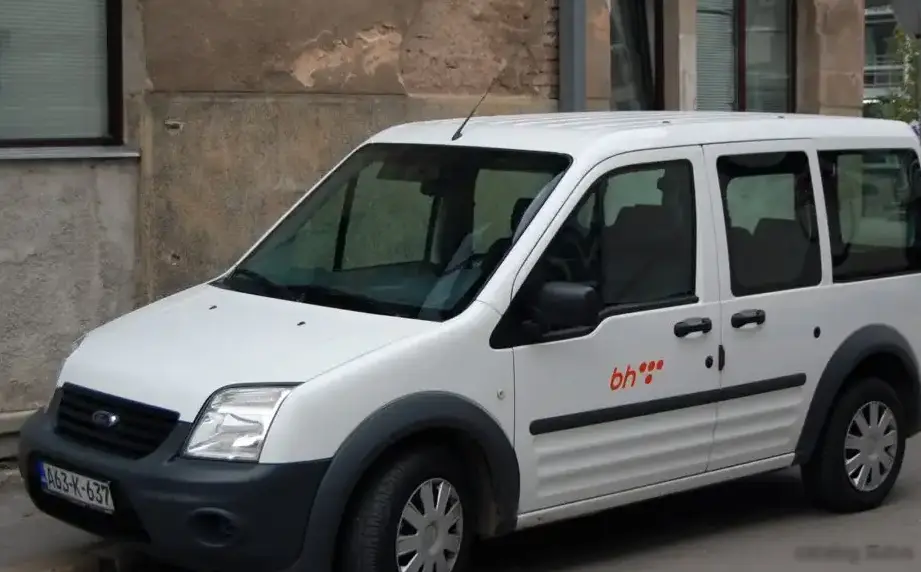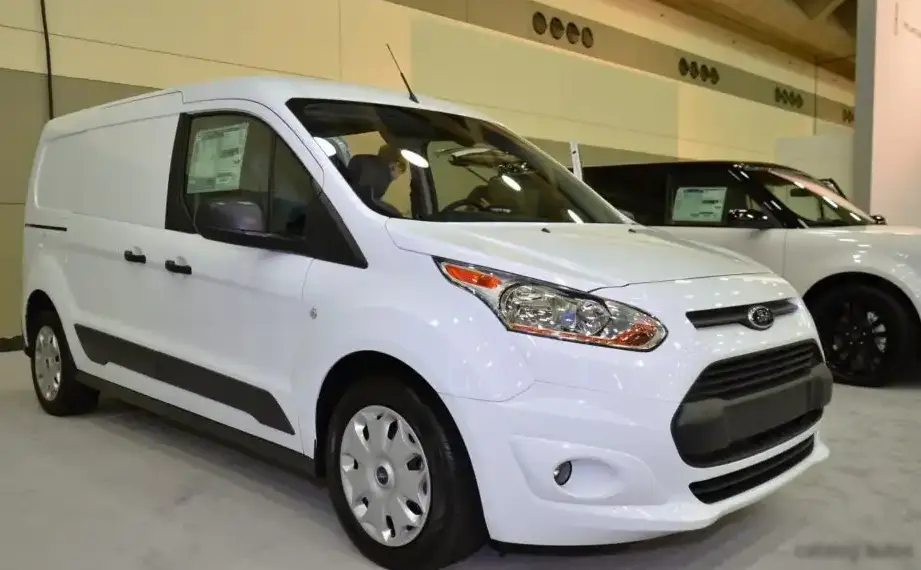
The Ford Transit Connect II Panel Van L2 1.0 EcoBoost (100 hp) represents a significant entry point into the second generation of Ford’s popular compact commercial van, produced from 2013 to 2015. Positioned as a fuel-efficient and practical option for small businesses and tradespeople, this variant utilized Ford’s innovative 1.0-liter EcoBoost engine paired with a 6-speed manual transmission. It was primarily sold in the European market and select other regions, offering a balance between cargo capacity, running costs, and maneuverability within the increasingly competitive small van segment. The L2 designation indicates the long wheelbase version, providing increased cargo volume compared to the standard length model.
Technical Specifications
| Brand | Ford |
| Model | Transit Connect |
| Generation | Transit Connect II Panel Van L2 |
| Type (Engine) | 1.0 EcoBoost (100 Hp) |
| Start of production | 2013 |
| End of production | 2015 |
| Powertrain Architecture | Internal Combustion engine |
| Body type | Minivan |
| Seats | 2-3 |
| Doors | 4-5 |
| Fuel consumption (economy) – urban (NEDC) | 6.4 l/100 km (36.8 US mpg, 44.1 UK mpg, 15.6 km/l) |
| Fuel consumption (economy) – extra urban (NEDC) | 5.1 l/100 km (46.1 US mpg, 55.4 UK mpg, 19.6 km/l) |
| Fuel consumption (economy) – combined (NEDC) | 5.6 l/100 km (42 US mpg, 50.4 UK mpg, 17.9 km/l) |
| CO2 emissions (NEDC) | 129 g/km |
| Fuel Type | Petrol (Gasoline) |
| Emission standard | Euro 5 |
| Weight-to-power ratio | 13.7 kg/Hp, 72.9 Hp/tonne |
| Weight-to-torque ratio | 8.1 kg/Nm, 124 Nm/tonne |
| Power | 100 Hp @ 6000 rpm |
| Power per litre | 100.1 Hp/l |
| Torque | 170 Nm @ 1400-4000 rpm (125.39 lb.-ft. @ 1400-4000 rpm) |
| Engine layout | Front, Transverse |
| Engine Model/Code | EcoBoost / M2GA, M2GB |
| Engine displacement | 999 cm3 (60.96 cu. in.) |
| Number of cylinders | 3 |
| Engine configuration | Inline |
| Cylinder Bore | 71.9 mm (2.83 in.) |
| Piston Stroke | 82 mm (3.23 in.) |
| Compression ratio | 10:1 |
| Number of valves per cylinder | 4 |
| Fuel injection system | Direct injection |
| Engine aspiration | Turbocharger, Intercooler |
| Valvetrain | DOHC |
| Engine oil capacity | 4.1 l (4.33 US qt | 3.61 UK qt) |
| Coolant | 5.85 l (6.18 US qt | 5.15 UK qt) |
| Kerb Weight | 1371 kg (3022.54 lbs.) |
| Max. weight | 2085 kg (4596.64 lbs.) |
| Max load | 714 kg (1574.1 lbs.) |
| Trunk (boot) space – minimum | 3220 l (113.71 cu. ft.) |
| Trunk (boot) space – maximum | 4400 l (155.38 cu. ft.) |
| Fuel tank capacity | 60 l (15.85 US gal | 13.2 UK gal) |
| Permitted trailer load with brakes (12%) | 1200 kg (2645.55 lbs.) |
| Permitted trailer load without brakes | 720 kg (1587.33 lbs.) |
| Length | 4818 mm (189.69 in.) |
| Width | 1835 mm (72.24 in.) |
| Width including mirrors | 2137 mm (84.13 in.) |
| Height | 1862 mm (73.31 in.) |
| Wheelbase | 3062 mm (120.55 in.) |
| Front track | 1568 mm (61.73 in.) |
| Rear (Back) track | 1584-1585 mm (62.36 – 62.4 in.) |
| Front overhang | 878 mm (34.57 in.) |
| Rear overhang | 878 mm (34.57 in.) |
| Ride height (ground clearance) | 159 mm (6.26 in.) |
| Minimum turning circle (turning diameter) | 12.5 m (41.01 ft.) |
| Drivetrain Architecture | Front wheel drive |
| Number of gears and type of gearbox | 6 gears, manual transmission |
| Front suspension | Independent, type McPherson with coil spring and anti-roll bar |
| Rear suspension | Coil spring, Torsion |
| Front brakes | Ventilated discs, 300 mm |
| Rear brakes | Disc, 280 mm |
| Assisting systems | ABS (Anti-lock braking system) |
| Steering type | Steering rack and pinion |
| Power steering | Electric Steering |
| Tires size | 205/60 R16 |
| Wheel rims size | 6.5J x 16 |
INTRODUCTION
The Ford Transit Connect II, launched in 2013, represented a significant upgrade over its predecessor, sharing a platform (C172) with the Ford Focus. The L2 variant, signifying the long wheelbase, offered increased cargo capacity, making it a popular choice for businesses requiring more space. The 1.0 EcoBoost 100 hp engine option was introduced as a fuel-efficient alternative to the larger 1.6-liter gasoline and diesel engines available in the range. This particular configuration aimed to appeal to operators prioritizing low running costs and urban maneuverability over outright performance. It was a key model in Ford’s strategy to offer a diverse range of Transit Connect options to cater to a wide spectrum of commercial needs.
Powertrain & Engine Architecture
The heart of this Transit Connect variant is Ford’s 1.0-liter EcoBoost three-cylinder engine, designated with engine codes M2GA or M2GB. This engine is a marvel of downsizing technology, featuring direct fuel injection, a single scroll turbocharger, and variable valve timing. The direct injection system delivers fuel directly into the combustion chamber, improving efficiency and reducing emissions. The turbocharger provides a boost in power, compensating for the small displacement. The engine utilizes a DOHC (Double Overhead Camshaft) valvetrain, optimizing airflow for improved performance. The 6-speed manual transmission was the standard offering, providing a good balance between fuel economy and driver control. The engine’s compact size and lightweight construction contribute to the van’s overall efficiency.
Driving Characteristics
The 100 hp EcoBoost engine, while not delivering blistering performance, provided adequate power for typical urban and suburban driving. Acceleration was modest, but the engine’s 170 Nm (125 lb-ft) of torque, available from a low 1400 rpm, provided reasonable pulling power for loaded vehicles. The 6-speed manual transmission allowed drivers to keep the engine in its optimal power band. Compared to the 1.6-liter gasoline engine, the 1.0 EcoBoost offered improved fuel economy, but with a slight reduction in overall power. The manual transmission provided a more engaging driving experience than the optional automatic, but required more driver involvement. The front-wheel-drive configuration ensured predictable handling, although traction could be limited in slippery conditions when heavily loaded.
Equipment & Trim Levels
The 1.0 EcoBoost L2 typically came with a relatively basic level of equipment, reflecting its position as an entry-level commercial vehicle. Standard features generally included power steering, ABS brakes, a driver’s airbag, and a basic audio system. Interior trim was functional and durable, prioritizing practicality over luxury. Optional extras included air conditioning, electric windows, a passenger airbag, and upgraded audio systems. The van’s interior was designed for ease of cleaning and maintenance, with hard-wearing materials used throughout. Trim levels varied slightly depending on the market, but generally focused on adding convenience and comfort features.
Chassis & Braking
The Transit Connect II L2 utilized a McPherson strut front suspension with a coil spring and anti-roll bar, providing a comfortable ride and predictable handling. The rear suspension employed a coil spring and torsion beam setup, offering a good balance between load-carrying capacity and ride quality. Braking duties were handled by ventilated discs at the front and solid discs at the rear. ABS (Anti-lock Braking System) was standard, enhancing safety during emergency braking. The van’s relatively lightweight construction contributed to its braking performance. The suspension was tuned to prioritize stability and comfort when carrying a load.
Market Reception & Comparison
The 1.0 EcoBoost Transit Connect L2 was generally well-received by critics for its fuel efficiency and practicality. It was praised for its maneuverability in urban environments and its relatively low running costs. However, some reviewers noted that the engine could feel strained when carrying a full load or driving on steep inclines. Compared to the 1.6-liter gasoline engine, the 1.0 EcoBoost offered significantly better fuel economy, but with a slight compromise in performance. The diesel-powered Transit Connect models offered even greater fuel efficiency and torque, but at a higher initial cost. The 1.0 EcoBoost variant appealed to businesses prioritizing fuel economy and urban usability.
Legacy
The 1.0 EcoBoost engine proved to be a reliable and durable powertrain in the Transit Connect II. While not without its occasional issues (like turbocharger wear in some cases), the engine generally held up well under normal use. On the used car market, these models are often sought after for their fuel efficiency and affordability. The Transit Connect II, in general, established a strong reputation for reliability and practicality, contributing to Ford’s continued success in the small commercial van segment. The 1.0 EcoBoost variant remains a viable option for businesses and individuals seeking a cost-effective and efficient light commercial vehicle.