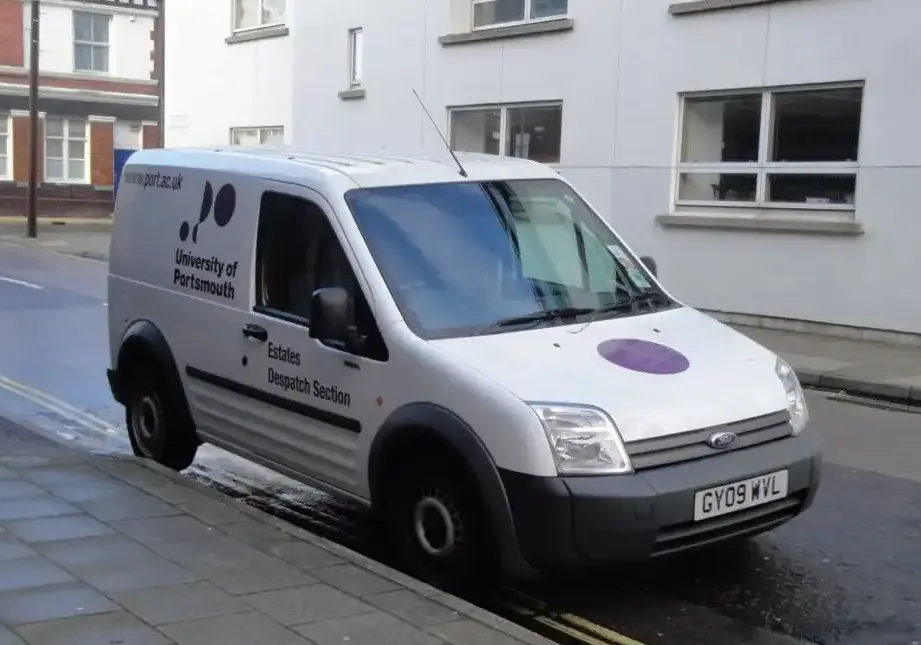
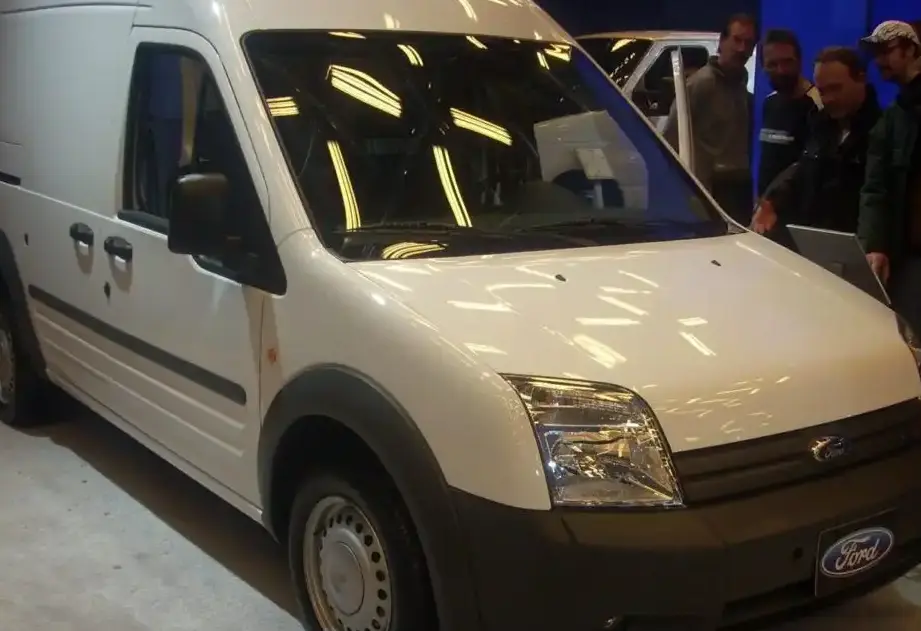
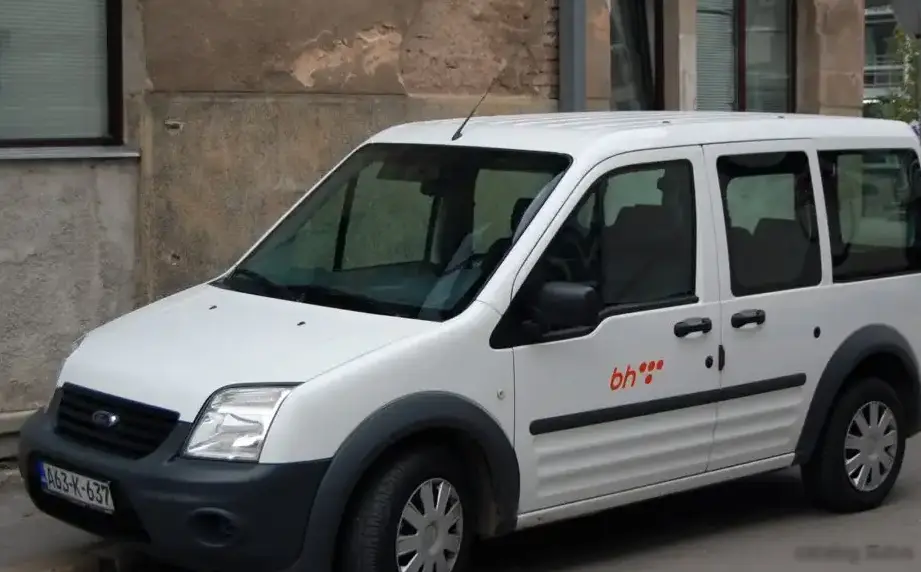
The Ford Transit Connect II Wagon L1 1.6 TDCi (95 hp) represents a significant entry point into the second generation of Ford’s popular compact commercial and passenger vehicle. Produced from 2013 to 2016, this variant was primarily aimed at the European market, where compact vans and wagons are highly sought after for their versatility and fuel efficiency. It’s based on the Ford C170 platform, shared with the Focus, and offered a practical, affordable option for families and small businesses. In the US market, the Transit Connect gained traction as a fuel-efficient alternative to larger vans and SUVs, though the 1.6 TDCi engine wasn’t initially offered, with the US models primarily featuring the 1.6L gasoline engine.
Technical Specifications
| Brand | Ford |
| Model | Transit Connect |
| Generation | Transit Connect II Wagon L1 |
| Type (Engine) | 1.6 TDCi (95 Hp) |
| Start of production | 2013 |
| End of production | 2016 |
| Powertrain Architecture | Internal Combustion engine |
| Body type | Minivan |
| Seats | 5 |
| Doors | 5 |
| Fuel consumption (urban) | 5.5-5.6 l/100 km (42.8 – 42 US mpg) |
| Fuel consumption (extra urban) | 4.3-4.6 l/100 km (54.7 – 51.1 US mpg) |
| Fuel consumption (combined) | 4.8-5 l/100 km (49 – 47 US mpg) |
| CO2 emissions | 124-130 g/km |
| Fuel Type | Diesel |
| Emission standard | Euro 5 |
| Weight-to-power ratio | 15.3 kg/Hp |
| Weight-to-torque ratio | 6.3 kg/Nm |
| Power | 95 Hp @ 3600 rpm |
| Torque | 230 Nm @ 1500-2000 rpm (169.64 lb.-ft. @ 1500-2000 rpm) |
| Engine layout | Front, Transverse |
| Engine Model/Code | Duratorq / TZGA, TZGB |
| Engine displacement | 1560 cm3 (95.2 cu. in.) |
| Number of cylinders | 4 |
| Engine configuration | Inline |
| Cylinder Bore | 75 mm (2.95 in.) |
| Piston Stroke | 88.3 mm (3.48 in.) |
| Compression ratio | 16:1 |
| Number of valves per cylinder | 2 |
| Fuel injection system | Diesel Commonrail |
| Engine aspiration | Turbocharger, Intercooler |
| Valvetrain | SOHC |
| Engine oil capacity | 6.2 l (6.55 US qt | 5.46 UK qt) |
| Coolant capacity | 7.3 l (7.71 US qt | 6.42 UK qt) |
| Kerb Weight | 1451-1512 kg (3198.91 – 3333.39 lbs.) |
| Max. weight | 2200-2220 kg (4850.17 – 4894.26 lbs.) |
| Max load | 708-749 kg (1560.87 – 1651.26 lbs.) |
| Trunk (boot) space (min) | 1029 l (36.34 cu. ft.) |
| Trunk (boot) space (max) | 2003 l (70.74 cu. ft.) |
| Fuel tank capacity | 60 l (15.85 US gal | 13.2 UK gal) |
| Permitted trailer load (braked) | 1300 kg (2866.01 lbs.) |
| Permitted trailer load (unbraked) | 750 kg (1653.47 lbs.) |
| Permitted towbar download | 75 kg (165.35 lbs.) |
| Length | 4418 mm (173.94 in.) |
| Width | 1835 mm (72.24 in.) |
| Width including mirrors | 2137 mm (84.13 in.) |
| Height | 1836-1852 mm (72.28 – 72.91 in.) |
| Wheelbase | 2662 mm (104.8 in.) |
| Front track | 1568 mm (61.73 in.) |
| Rear track | 1584 mm (62.36 in.) |
| Front overhang | 878 mm (34.57 in.) |
| Rear overhang | 878 mm (34.57 in.) |
| Ride height (ground clearance) | 153-154 mm (6.02 – 6.06 in.) |
| Minimum turning circle | 11.7 m (38.39 ft.) |
| Drivetrain | Front wheel drive |
| Number of gears | 5 |
| Gearbox type | Manual transmission |
| Front suspension | Independent, McPherson with coil spring and anti-roll bar |
| Rear suspension | Coil spring, Torsion |
| Front brakes | Ventilated discs, 320×25 mm |
| Rear brakes | Disc, 280×11 mm |
| Assisting systems | ABS (Anti-lock braking system) |
| Steering type | Steering rack and pinion |
| Power steering | Electric |
| Tires size | 205/60 R16 |
| Wheel rims size | 6.5J x 16 |
INTRODUCTION
The Ford Transit Connect II Wagon L1 1.6 TDCi 95 hp, launched in 2013, was a key variant within the second-generation Transit Connect range. Positioned as an entry-level option, it offered a balance of affordability, fuel economy, and practicality. The “L1” designation indicates the short wheelbase version, making it particularly suitable for urban environments. This model was a direct successor to the first-generation Transit Connect, building upon its reputation for being a versatile and efficient vehicle. It competed directly with other compact vans and wagons like the Citroën Berlingo, Peugeot Partner, and Volkswagen Caddy.
Powertrain & Engine Architecture
At the heart of the Transit Connect L1 1.6 TDCi is Ford’s Duratorq 1.6-liter turbocharged diesel engine, specifically the TZGA or TZGB engine code. This engine is a four-cylinder, inline configuration with a single overhead camshaft (SOHC) and two valves per cylinder. It utilizes a common rail direct fuel injection system, delivering fuel at high pressure for improved combustion efficiency and reduced emissions. The turbocharger, coupled with an intercooler, enhances power output by forcing more air into the cylinders. The 95 horsepower output is achieved at 3600 rpm, while peak torque of 230 Nm (169.64 lb.-ft.) is available between 1500-2000 rpm. This engine was designed to meet Euro 5 emission standards, incorporating a diesel particulate filter (DPF) to reduce soot emissions. The engine is transversely mounted, driving the front wheels. The standard transmission for this variant was a five-speed manual gearbox, optimized for fuel efficiency rather than outright performance.
Driving Characteristics
The 1.6 TDCi 95 hp engine in the Transit Connect L1 provides adequate, but not exhilarating, performance. Acceleration is modest, and overtaking requires careful planning. The focus is clearly on fuel economy and usability rather than sporty driving. The five-speed manual transmission is well-matched to the engine’s characteristics, with gear ratios designed to keep the engine within its optimal torque band. The relatively low power output means the vehicle can feel strained when fully loaded or climbing hills. Compared to higher-powered versions of the Transit Connect, such as those with the 1.6-liter EcoBoost gasoline engine, the TDCi 95 hp model offers significantly less performance but superior fuel economy. The manual transmission provides more driver control than the optional automatic, allowing for better engine braking and more precise gear selection.
Equipment & Trim Levels
The Transit Connect L1 1.6 TDCi 95 hp typically came with a fairly basic level of equipment, reflecting its position as an entry-level model. Standard features generally included power steering, electric front windows, a basic audio system (often with USB connectivity), and ABS brakes. Interior upholstery was typically cloth, and the dashboard featured a functional, if somewhat utilitarian, design. Optional extras included air conditioning, alloy wheels, parking sensors, and upgraded audio systems. Higher trim levels, such as the Limited, offered more luxurious features like leather upholstery, cruise control, and automatic headlights. The L1 configuration offered a flexible cargo area, with folding rear seats allowing for increased storage space.
Chassis & Braking
The Transit Connect L1 utilizes a McPherson strut independent suspension at the front, providing a comfortable ride and decent handling. The rear suspension employs a coil spring and torsion beam setup, which is simpler and more cost-effective but offers slightly less sophisticated handling. Brakes are disc brakes all around, with ventilated discs at the front for improved heat dissipation. ABS (Anti-lock Braking System) is standard, enhancing safety during emergency braking. The vehicle’s weight-to-power ratio of 15.3 kg/Hp contributes to its stable, if not particularly dynamic, handling characteristics. The relatively narrow tires (205/60 R16) prioritize fuel efficiency over grip.
Market Reception & Comparison
The Ford Transit Connect L1 1.6 TDCi 95 hp was generally well-received by critics for its practicality, fuel efficiency, and affordability. However, some reviewers noted its lack of power, particularly when fully loaded. Compared to the gasoline-powered versions, the TDCi offered significantly better fuel economy, making it a popular choice for high-mileage drivers. Against competitors like the Citroën Berlingo and Peugeot Partner, the Transit Connect was often praised for its more refined driving experience and better build quality. The Volkswagen Caddy was generally considered a more premium option, but also came with a higher price tag. Reliability reports suggest that the Duratorq 1.6 TDCi engine is generally robust, but the DPF can be prone to clogging if the vehicle is primarily used for short journeys.
Legacy
The Ford Transit Connect II, and specifically the 1.6 TDCi 95 hp variant, has proven to be a durable and reliable vehicle. On the used car market, these models remain popular due to their affordability and practicality. The Duratorq engine, while not known for its blistering performance, is generally considered to be long-lasting if properly maintained. Regular servicing, including DPF regeneration, is crucial to ensure the engine’s longevity. The Transit Connect’s versatility and fuel efficiency continue to make it a compelling option for small businesses and families seeking a practical and economical vehicle.