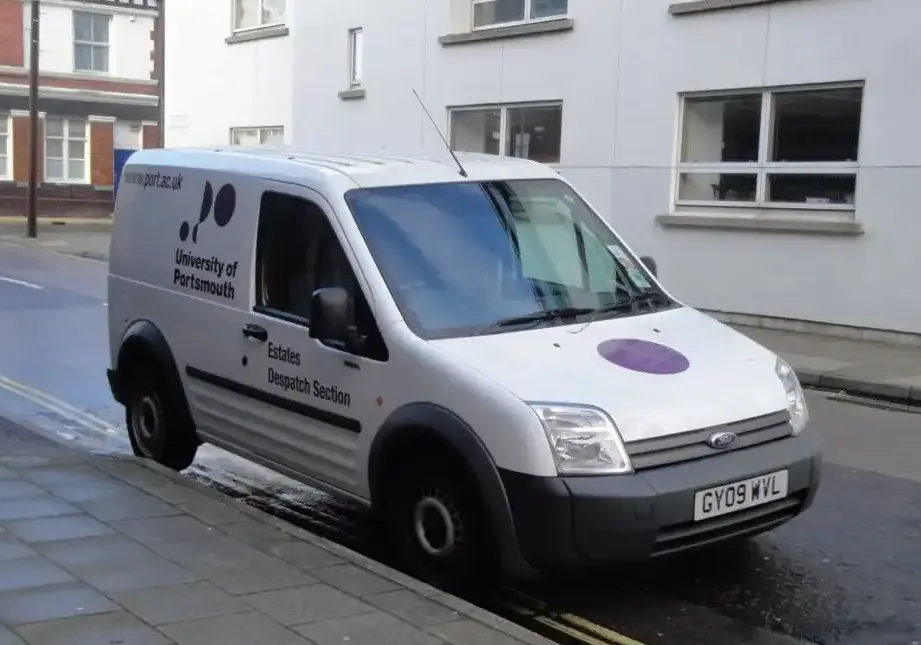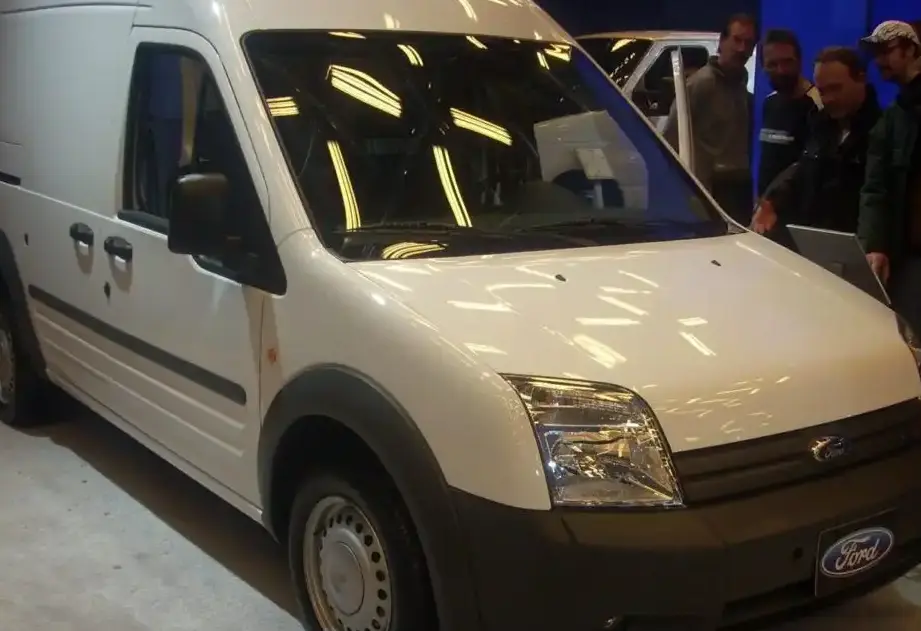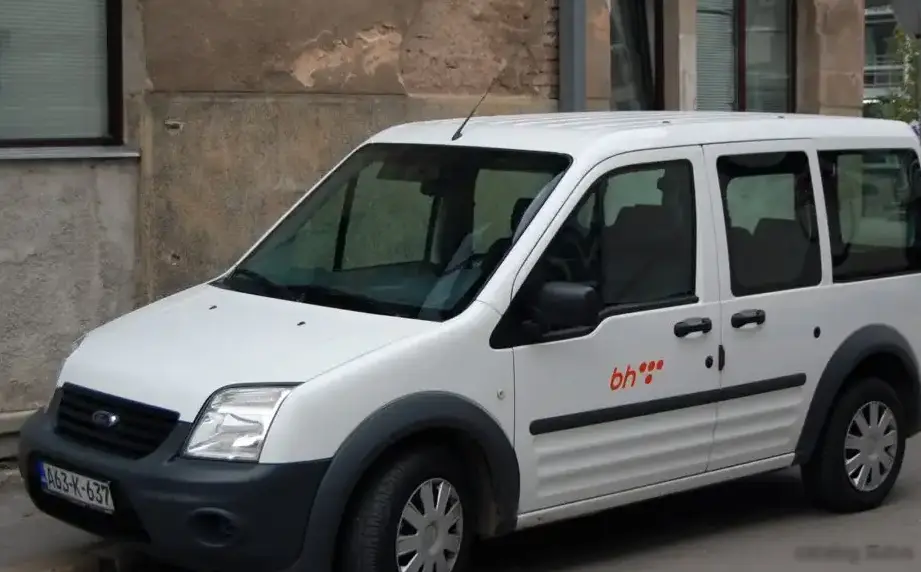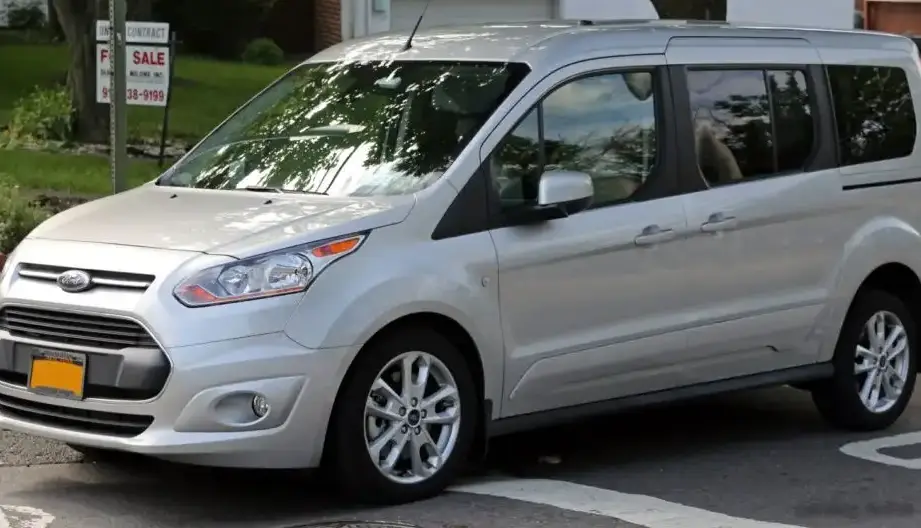
The Ford Transit Connect II Wagon L2 1.5 TDCi (120 Hp) PowerShift represents a significant iteration in Ford’s compact commercial and passenger vehicle lineup. Produced from 2015 to 2018, this variant occupied a middle ground within the second-generation Transit Connect range, offering a balance between fuel efficiency, practicality, and affordability. Built on the Ford global C/B platform, also known as the 1HX0/A3 platform, the L2 designation indicates the long-wheelbase version, providing increased cargo and passenger space. This model was primarily marketed in Europe and other international markets, though limited numbers were available in North America, catering to small businesses, families, and those needing a versatile vehicle.
Technical Specifications
| Brand | Ford |
| Model | Transit Connect |
| Generation | Transit Connect II Wagon L2 |
| Type (Engine) | 1.5 TDCi (120 Hp) PowerShift |
| Start of production | 2015 |
| End of production | 2018 |
| Powertrain Architecture | Internal Combustion engine |
| Body type | Minivan |
| Seats | 5-7 |
| Doors | 5 |
| Fuel consumption (economy) – urban (NEDC) | 5.4-5.6 l/100 km (43.6 – 42 US mpg) |
| Fuel consumption (economy) – extra urban (NEDC) | 4.7-4.8 l/100 km (50 – 49 US mpg) |
| Fuel consumption (economy) – combined (NEDC) | 5-5.1 l/100 km (47 – 46.1 US mpg) |
| CO2 emissions (NEDC) | 129-133 g/km |
| Fuel Type | Diesel |
| Emission standard | Euro 6 |
| Weight-to-power ratio | 13.2 kg/Hp, 75.8 Hp/tonne |
| Weight-to-torque ratio | 5.3 kg/Nm, 189.5 Nm/tonne |
| Power | 120 Hp |
| Power per litre | 80.1 Hp/l |
| Torque | 300 Nm @ 1750-2000 rpm (221.27 lb.-ft. @ 1750-2000 rpm) |
| Engine layout | Front, Transverse |
| Engine Model/Code | Duratorq / XWGB |
| Engine displacement | 1499 cm3 (91.47 cu. in.) |
| Number of cylinders | 4 |
| Engine configuration | Inline |
| Cylinder Bore | 73.5 mm (2.89 in.) |
| Piston Stroke | 88.3 mm (3.48 in.) |
| Number of valves per cylinder | 2 |
| Fuel injection system | Diesel Commonrail |
| Engine aspiration | Turbocharger, Intercooler |
| Valvetrain | SOHC |
| Engine oil capacity | 3.85 l (4.07 US qt | 3.39 UK qt) |
| Coolant | 6 l (6.34 US qt | 5.28 UK qt) |
| Kerb Weight | 1583 kg (3489.92 lbs.) |
| Max. weight | 2270-2300 kg (5004.49 – 5070.63 lbs.) |
| Max load | 687-717 kg (1514.58 – 1580.71 lbs.) |
| Trunk (boot) space – minimum | 322 l (11.37 cu. ft.) |
| Trunk (boot) space – maximum | 2761 l (97.5 cu. ft.) |
| Fuel tank capacity | 60 l (15.85 US gal | 13.2 UK gal) |
| Permitted trailer load with brakes (12%) | 1200 kg (2645.55 lbs.) |
| Permitted trailer load without brakes | 750 kg (1653.47 lbs.) |
| Length | 4818 mm (189.69 in.) |
| Width | 1835 mm (72.24 in.) |
| Width including mirrors | 2137 mm (84.13 in.) |
| Height | 1828-1845 mm (71.97 – 72.64 in.) |
| Wheelbase | 3062 mm (120.55 in.) |
| Front track | 1568 mm (61.73 in.) |
| Rear (Back) track | 1584 mm (62.36 in.) |
| Front overhang | 878 mm (34.57 in.) |
| Rear overhang | 878 mm (34.57 in.) |
| Ride height (ground clearance) | 163 mm (6.42 in.) |
| Minimum turning circle (turning diameter) | 12.5 m (41.01 ft.) |
| Drivetrain Architecture | The Internal combustion engine (ICE) drives the front wheels of the vehicle. |
| Drive wheel | Front wheel drive |
| Number of gears and type of gearbox | 6 gears, automatic transmission PowerShift |
| Front suspension | Independent, type McPherson with coil spring and anti-roll bar |
| Rear suspension | Coil spring, Torsion |
| Front brakes | Ventilated discs, 320×25 mm |
| Rear brakes | Disc, 280×11 mm |
| Assisting systems | ABS (Anti-lock braking system) |
| Steering type | Steering rack and pinion |
| Power steering | Electric Steering |
| Tires size | 205/60 R16 |
| Wheel rims size | 6.5J x 16 |
INTRODUCTION
The Ford Transit Connect II Wagon L2 1.5 TDCi (120 Hp) PowerShift, launched in 2015, was a key component of Ford’s strategy to offer a versatile and efficient vehicle for both commercial and family use. This long-wheelbase wagon variant, powered by the 1.5-liter Duratorq diesel engine and paired with Ford’s six-speed PowerShift dual-clutch transmission, aimed to provide a compelling alternative to traditional MPVs and small vans. Positioned as a mid-range option, it offered a step up in performance and features compared to the base 1.0-liter EcoBoost models, while remaining more affordable than the higher-powered diesel variants. The L2 designation signified the extended wheelbase, providing a substantial increase in cargo capacity and rear passenger legroom.
Powertrain & Engine Architecture
At the heart of the Transit Connect L2 1.5 TDCi is the Duratorq engine, specifically the XWGB code. This 1.5-liter inline-four diesel engine utilizes a common-rail direct fuel injection system, delivering fuel at extremely high pressure for optimized combustion. The engine features a turbocharger with an intercooler, enhancing power output and efficiency. The single overhead camshaft (SOHC) design simplifies the valvetrain, contributing to reliability and reduced maintenance. The PowerShift six-speed dual-clutch transmission (DCT) is a crucial element of this variant. Unlike a traditional automatic, the PowerShift offers quicker, smoother gear changes and improved fuel economy by pre-selecting the next gear. However, early iterations of the PowerShift transmission were known to experience some reliability issues, particularly concerning clutch wear and mechatronic unit failures. The engine produces 120 horsepower and 300 Nm (221 lb-ft) of torque between 1750 and 2000 rpm, providing adequate power for everyday driving and moderate loads.
Driving Characteristics
The 120 hp 1.5 TDCi with the PowerShift transmission delivers a competent, if not particularly exhilarating, driving experience. Acceleration is adequate for merging onto highways and overtaking, but it’s not a particularly quick vehicle. The PowerShift transmission generally provides smooth and responsive gear changes, although some drivers have reported occasional hesitation at low speeds. The gear ratios are tuned for fuel efficiency, meaning the engine often operates at lower RPMs during cruising. Compared to the manual transmission versions, the PowerShift offers greater convenience, especially in urban environments. However, the manual versions generally provide slightly better fuel economy and a more engaging driving experience. Compared to the higher-output 1.6-liter TDCi variants, the 1.5 TDCi feels noticeably less powerful, particularly when fully loaded. The suspension is tuned for comfort, providing a reasonably smooth ride, even on uneven surfaces.
Equipment & Trim Levels
The Transit Connect L2 1.5 TDCi typically came equipped with a respectable level of standard features. These included air conditioning, power windows, power mirrors, a basic audio system with USB connectivity, and ABS brakes. Higher trim levels, such as the Limited, added features like alloy wheels, a more advanced infotainment system with a touchscreen display, rear parking sensors, and cruise control. Interior upholstery was typically cloth, with options for upgraded materials on higher trims. Optional extras included a panoramic sunroof, navigation system, and various driver-assistance technologies. The L2’s extended wheelbase allowed for flexible seating configurations, with options for five or seven seats, and a generous amount of cargo space behind the rear seats.
Chassis & Braking
The Transit Connect L2 utilizes an independent McPherson strut suspension setup at the front, providing good handling and ride comfort. The rear suspension employs a coil spring and torsion beam arrangement, which is a cost-effective and space-efficient solution. Braking duties are handled by ventilated discs at the front and solid discs at the rear. ABS (Anti-lock Braking System) is standard, enhancing safety during emergency braking situations. The steering is rack and pinion with electric power assistance, providing a light and responsive feel. The vehicle’s weight distribution is relatively balanced, contributing to stable handling characteristics.
Market Reception & Comparison
The Ford Transit Connect L2 1.5 TDCi (120 Hp) PowerShift was generally well-received by critics for its practicality, fuel efficiency, and versatility. However, the PowerShift transmission received mixed reviews, with some praising its smoothness and efficiency, while others criticized its reliability. Compared to competitors like the Volkswagen Caddy and Citroën Berlingo, the Transit Connect offered a competitive package in terms of price, space, and features. Fuel economy was a strong point, with the 1.5 TDCi achieving combined fuel consumption figures of around 5.0-5.1 l/100 km (47-46.1 US mpg). Reliability was generally good, although the PowerShift transmission remained a potential concern.
Legacy
The Ford Transit Connect II Wagon L2 1.5 TDCi (120 Hp) PowerShift remains a popular choice in the used car market, particularly for those seeking a practical and affordable vehicle. While the PowerShift transmission requires careful consideration due to its potential reliability issues, well-maintained examples can provide years of reliable service. The 1.5 TDCi engine is generally considered durable and relatively easy to maintain. The Transit Connect’s versatility and spaciousness continue to make it a compelling option for families, small businesses, and anyone needing a vehicle that can handle a variety of tasks. Its blend of practicality, efficiency, and affordability has cemented its place as a significant player in the compact commercial and passenger vehicle segment.