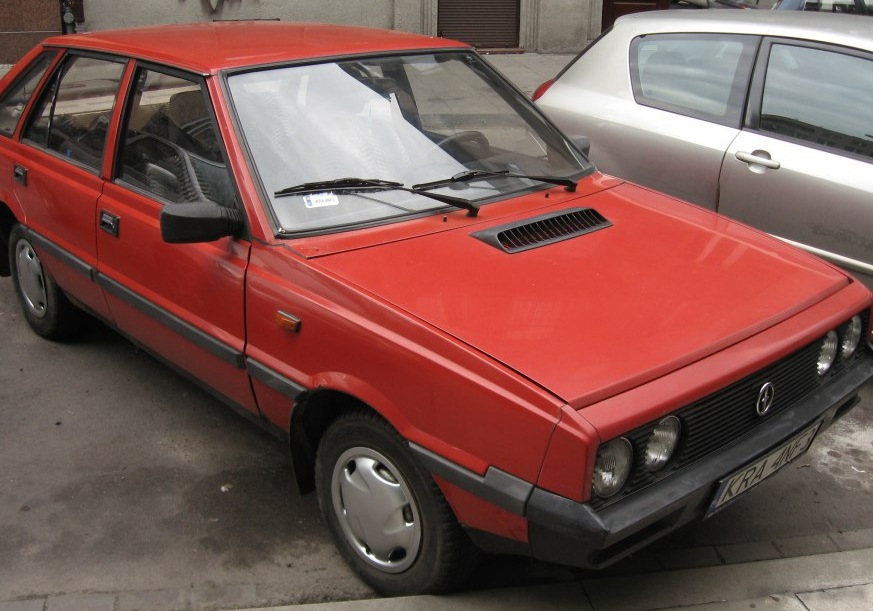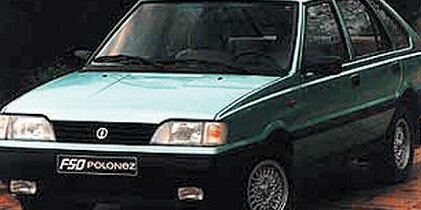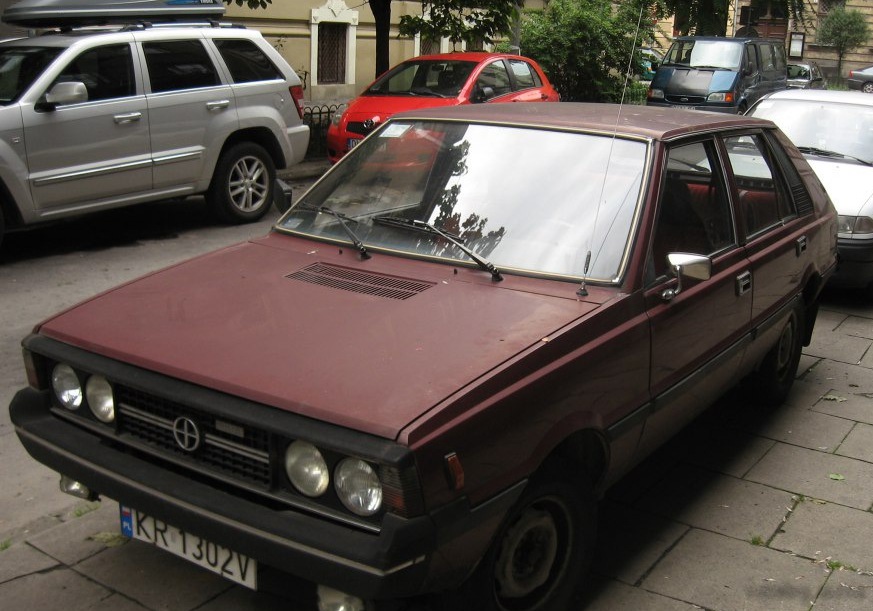
The FSO Polonez I 1.3, produced between 1978 and 1980, represents the initial iteration of Poland’s domestically designed and manufactured passenger vehicle. Positioned as an affordable and practical family car, the Polonez I aimed to modernize Poland’s automotive landscape, replacing the aging FSO 125p. This 1.3-liter, 65 horsepower variant served as the entry point to the Polonez range, offering a balance between economy and usability for the Polish market. It was built upon a rear-wheel-drive platform, a design choice reflecting the prevailing automotive engineering of the era and the existing manufacturing capabilities within FSO (Fabryka Samochodów Osobowych – Personal Automobile Factory). The Polonez I was a significant departure from previous FSO models, incorporating a hatchback body style, a relatively uncommon feature in Eastern European cars at the time.
Technical Specifications
| Brand | FSO |
| Model | Polonez |
| Generation | Polonez I |
| Type (Engine) | 1.3 (65 Hp) |
| Start of Production | 1978 |
| End of Production | 1980 |
| Powertrain Architecture | Internal Combustion Engine |
| Body Type | Hatchback |
| Fuel Type | Petrol (Gasoline) |
| Power | 65 Hp |
| Engine Aspiration | Naturally Aspirated |
Powertrain & Engine Architecture
The Polonez I 1.3 was powered by a 1,298 cc (79.1 cubic inches) inline-four cylinder engine. This engine, internally designated as the FSO S13, was a relatively simple design, reflecting the technological constraints and manufacturing capabilities of the time. It featured a single overhead camshaft (SOHC) operating two valves per cylinder. The engine utilized a Solex carburetor for fuel delivery, a common system for vehicles of this era. While not particularly powerful, the S13 engine was known for its robustness and relative ease of maintenance. The 65 horsepower output was achieved at 5,500 rpm, and peak torque of approximately 82 lb-ft (111 Nm) was delivered at 3,500 rpm. The Polonez I 1.3 was exclusively offered with a four-speed manual transmission, driving the rear wheels. The transmission was a conventional setup, designed for durability rather than sporty performance. The engine block was cast iron, contributing to its longevity, but also adding to the vehicle’s overall weight.
Driving Characteristics
The driving experience of the Polonez I 1.3 was characterized by its utilitarian nature. Acceleration was modest, with a 0-60 mph (0-97 km/h) time estimated to be around 18-20 seconds. The four-speed manual transmission required frequent shifting to maintain momentum, particularly when encountering hills or overtaking. The rear-wheel-drive configuration provided predictable handling, but the relatively soft suspension and high center of gravity resulted in noticeable body roll during cornering. The steering was not power-assisted, requiring a reasonable amount of effort, especially at low speeds. The gear ratios were optimized for fuel economy and low-speed drivability, rather than outright performance. Compared to potential future, more powerful versions of the Polonez, the 1.3-liter engine felt underpowered, especially when fully loaded with passengers and cargo. However, its simplicity and predictable nature made it a relatively easy car to drive, even for inexperienced motorists.
Equipment & Trim Levels
The Polonez I 1.3 was offered with a fairly basic level of equipment, reflecting its position as the entry-level model. Standard features included cloth upholstery, vinyl floor covering, and a simple dashboard layout with basic instrumentation – speedometer, fuel gauge, and temperature gauge. The seats were relatively flat and offered limited lateral support. Heating and ventilation were standard, but air conditioning was not available. Exterior features included chrome bumpers, steel wheels with hubcaps, and relatively small exterior mirrors. Optional extras were limited, typically including a radio and upgraded seat upholstery. The interior trim was primarily focused on functionality and durability, with little emphasis on aesthetics. The overall design was functional, if somewhat spartan, reflecting the economic realities of the Polish automotive industry at the time.
Chassis & Braking
The Polonez I 1.3 utilized a body-on-frame construction, a common practice in automotive engineering during the 1970s. The chassis consisted of a ladder frame, providing a robust and durable foundation. The suspension system was relatively simple, featuring independent front suspension with coil springs and a live axle with leaf springs at the rear. The braking system consisted of drum brakes on all four wheels. The brakes were mechanically operated and provided adequate stopping power for the vehicle’s weight and performance capabilities, but lacked the responsiveness of more modern braking systems. Steering was a recirculating ball system, providing a relatively indirect steering feel. The Polonez I 1.3 did not feature a stabilizer bar, contributing to the noticeable body roll during cornering. The overall chassis design prioritized durability and affordability over handling precision.
Market Reception & Comparison
The Polonez I 1.3 was generally well-received in the Polish market, primarily due to its affordability and practicality. It offered a much-needed alternative to the aging FSO 125p and provided a modern hatchback body style that appealed to families. Critics noted the car’s modest performance and basic interior, but acknowledged its robustness and ease of maintenance. Compared to other vehicles available in Poland at the time, the Polonez I 1.3 offered a competitive price point and a relatively spacious interior. Fuel economy was reasonable for the era, averaging around 30-35 mpg (7.8-6.7 L/100km). Reliability was generally good, although the car’s simple design meant that it required regular maintenance. The 1.3-liter engine was considered more reliable than the larger engines offered in later Polonez models. The Polonez I 1.3 was primarily targeted at budget-conscious buyers who needed a practical and reliable family car.
Legacy
The FSO Polonez I 1.3 laid the foundation for a long-running and iconic Polish automobile. While the initial 1.3-liter version was relatively short-lived, it established the Polonez as a viable and popular vehicle in the Polish market. The Polonez continued to be produced for over two decades, undergoing numerous updates and revisions. The original S13 engine proved to be remarkably durable, and many examples are still in operation today. In the used car market, the Polonez I 1.3 is considered a classic vehicle, appealing to collectors and enthusiasts interested in Polish automotive history. Its simplicity and affordability make it a relatively easy car to restore and maintain. The Polonez I 1.3 represents a significant chapter in Poland’s automotive heritage, symbolizing the country’s efforts to modernize its industrial base and provide its citizens with affordable transportation.