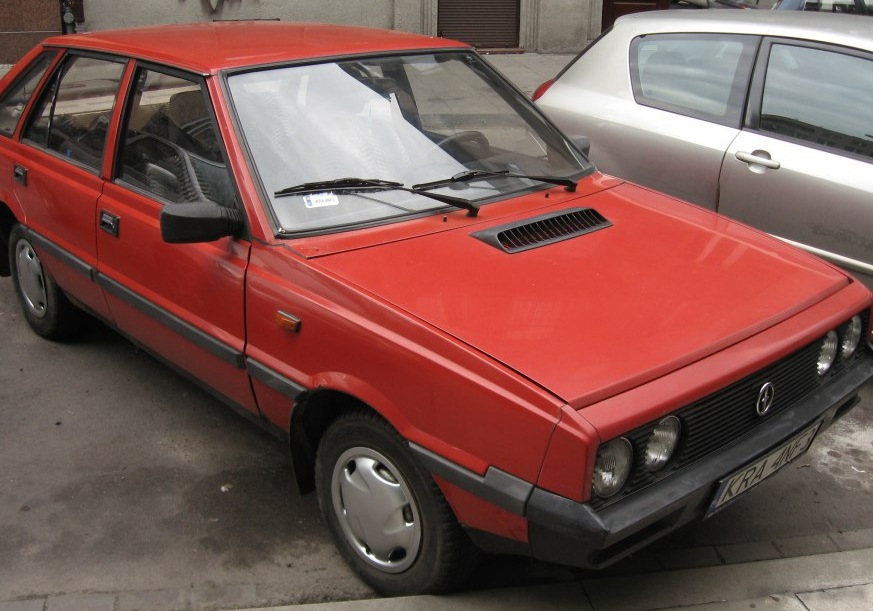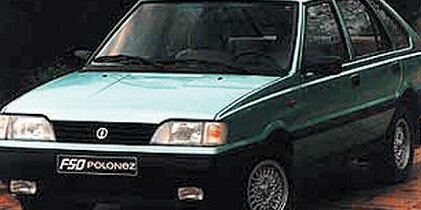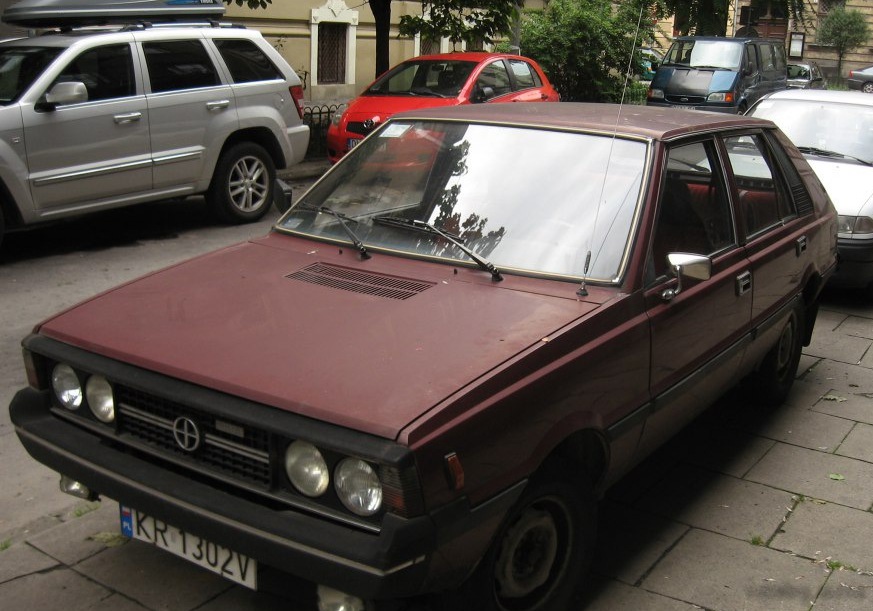
The FSO Polonez I 1.6, producing 87 horsepower, represents a significant iteration of Poland’s domestically produced automobile, manufactured between 1986 and 1988. Positioned as a mainstream offering within the Polonez I range, it aimed to provide a balance of affordability, practicality, and reasonable performance for Polish consumers during a period of economic constraints. The Polonez, derived from the earlier Fiat 124 platform but extensively modified and modernized by FSO (Fabryka Samochodów Osobowych – Personal Automobile Factory), was intended to be a modern, family-oriented vehicle. This 1.6-liter variant served as a core model, bridging the gap between the smaller-engined versions and the more powerful, albeit less common, options.
Technical Specifications
| Brand | FSO |
| Model | Polonez |
| Generation | Polonez I |
| Type (Engine) | 1.6 (87 Hp) |
| Start of Production | 1986 |
| End of Production | 1988 |
| Powertrain Architecture | Internal Combustion Engine |
| Body Type | Hatchback |
| Fuel Type | Petrol (Gasoline) |
| Power | 87 Hp |
| Engine Aspiration | Naturally Aspirated |
Powertrain & Engine Architecture
The FSO Polonez I 1.6 utilized an inline-four cylinder engine, internally designated as the 821.10. This engine was a development of the Fiat DOHC (Double Overhead Camshaft) design, but with significant Polish engineering input. Displacing 1,592 cc (97.1 cubic inches), the engine featured a cast iron block and an aluminum cylinder head. Fuel delivery was managed by a single, two-barrel carburetor – typically a Solex C35F – a relatively simple system reflecting the technological limitations and cost considerations of the time. The engine’s valvetrain employed a timing belt, a relatively modern feature for a vehicle of this era, though maintenance intervals were crucial to prevent failure. The 87 horsepower output was achieved at 5,500 rpm, with peak torque of approximately 109 lb-ft (148 Nm) at 3,500 rpm.
The Polonez I 1.6 was typically paired with a four-speed manual transmission, though a three-speed automatic transmission was also available, albeit less common. The automatic transmission, sourced from a collaboration with Citroën, was known for its robustness but also for its relatively slow and somewhat imprecise shifting characteristics. The automatic version, while offering convenience, noticeably impacted acceleration and fuel economy. The rear-wheel drive layout was a carryover from the original Fiat 124, contributing to the Polonez’s handling characteristics.
Driving Characteristics
The Polonez I 1.6 offered modest performance. Acceleration from 0 to 60 mph (0-97 km/h) took approximately 14-16 seconds, depending on the transmission and vehicle load. The manual transmission version provided a more engaging driving experience, allowing the driver to better utilize the engine’s limited power. The automatic transmission, while convenient, resulted in a sluggish feel, particularly during overtaking maneuvers. The suspension, consisting of independent front suspension with MacPherson struts and a live axle with trailing arms at the rear, provided a reasonably comfortable ride, though handling was somewhat compromised by the car’s relatively high center of gravity and rear-wheel drive configuration. Steering was by a recirculating ball system, offering adequate precision but lacking the responsiveness of more modern steering technologies. The car’s braking system consisted of disc brakes at the front and drum brakes at the rear, providing adequate stopping power for its weight class, though fade could be an issue under heavy use.
Equipment & Trim Levels
The Polonez I 1.6 was generally offered in a relatively basic trim level, reflecting its position as a mainstream model. Standard equipment typically included cloth upholstery, a basic instrument cluster, and manually operated windows and door locks. Radio fitment was often optional. Interior plastics were durable but utilitarian in appearance. Later models within the 1986-1988 production run saw some minor improvements in interior trim and available options, such as upgraded seat fabrics and a more comprehensive instrument panel. The exterior featured relatively simple styling, with a boxy hatchback body shape. Available colors were typically limited to a range of solid colors, with metallic paints offered as an extra-cost option.
Chassis & Braking
The Polonez I utilized a body-on-frame construction, a relatively archaic design by the 1980s, but one that contributed to the car’s robustness and ease of repair. The chassis was reinforced to accommodate the larger engine and provide adequate structural rigidity. The front suspension featured MacPherson struts, coil springs, and an anti-roll bar. The rear suspension employed a live axle with trailing arms, leaf springs, and shock absorbers. As mentioned previously, the braking system consisted of disc brakes at the front and drum brakes at the rear. The drum brakes at the rear were a cost-saving measure, but they provided adequate stopping power for normal driving conditions. The Polonez I 1.6 typically rode on 175/70 R14 tires.
Market Reception & Comparison
The Polonez I 1.6 was generally well-received in Poland, where it represented a relatively modern and affordable family car. Critics praised its spacious interior, robust construction, and reasonable fuel economy. However, it was also criticized for its outdated design, sluggish performance (particularly with the automatic transmission), and relatively crude interior finish. Compared to other Polonez I variants, the 1.6-liter version offered a noticeable performance improvement over the smaller-engined models, but it was less sporty than the more powerful versions. Fuel economy was comparable to other vehicles in its class, averaging around 28-32 mpg (8.4-7.3 L/100km) in mixed driving conditions. Reliability was generally good, though maintenance was essential to prevent issues with the carburetor and timing belt.
Legacy
The FSO Polonez I 1.6, while not a groundbreaking vehicle, played a significant role in Polish automotive history. It provided a domestically produced alternative to imported cars during a period of economic hardship. The 1.6-liter engine proved to be relatively durable and reliable, and many examples remain on the road today, often maintained by dedicated enthusiasts. In the used car market, the Polonez I 1.6 is valued for its simplicity, affordability, and nostalgic appeal. Parts availability can be a challenge, but a network of dedicated suppliers and enthusiasts helps to keep these cars running. The Polonez, in all its variants, represents a unique chapter in automotive history, showcasing Polish engineering ingenuity and resilience.