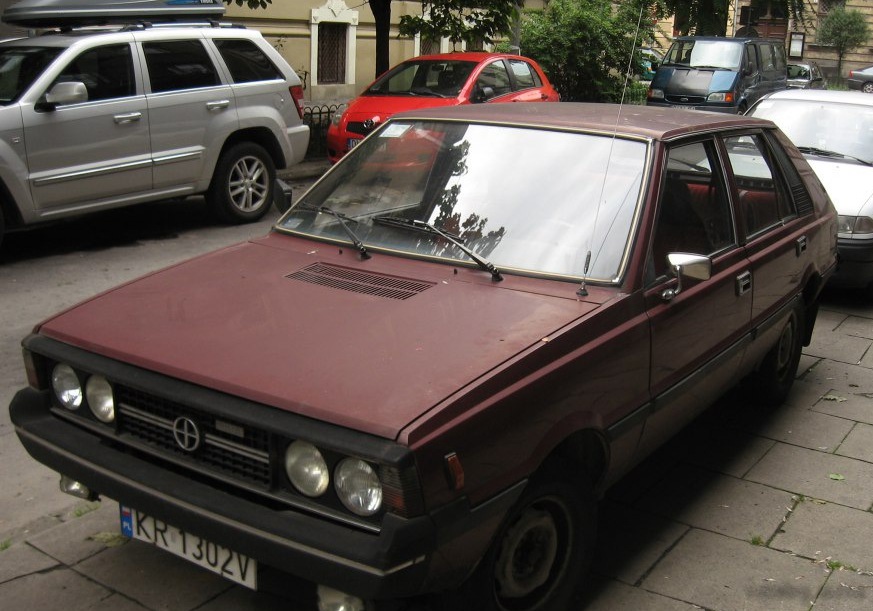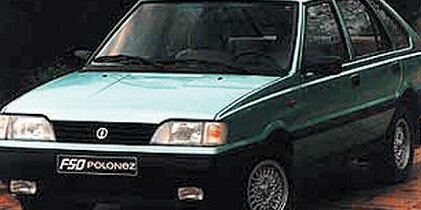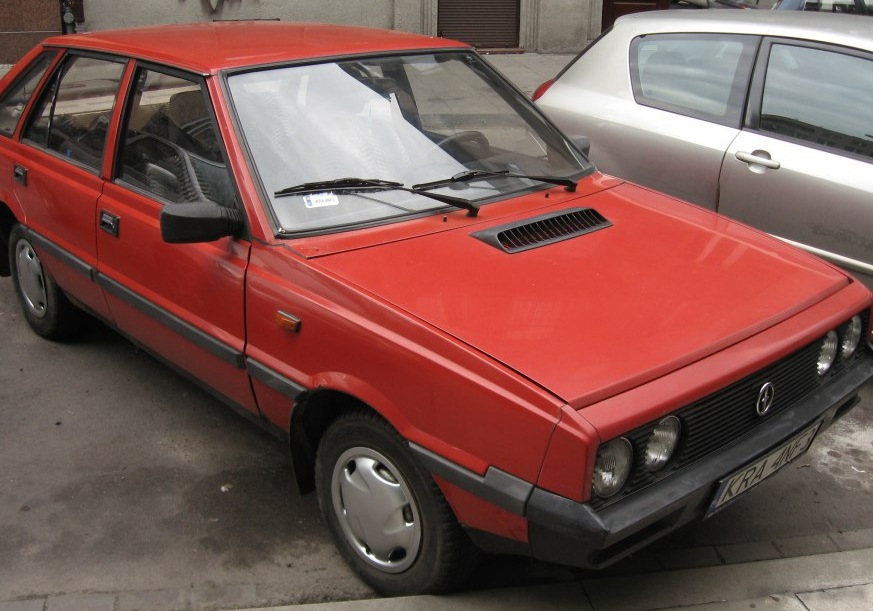
The FSO Polonez II 1.5 i, produced between 1988 and 1992, represents a significant, though often overlooked, chapter in Polish automotive history. As a continuation of the original Polonez line, the “II” designation denoted a series of incremental improvements to the aging platform. This 75 horsepower variant, equipped with a five-speed manual transmission (an automatic was not offered), served as a mainstay of the Polonez II range, aimed at providing affordable and practical transportation for Polish families during a period of economic transition. It occupied a middle ground in the Polonez II lineup, positioned above the base models but below the more powerful and often export-focused versions. The Polonez II itself was based on the Fiat 124 platform, a design originating in the 1960s, but extensively modified and updated over the decades by FSO (Fabryka Samochodów Osobowych – Personal Automobile Factory).
Technical Specifications
| Brand | FSO |
| Model | Polonez |
| Generation | Polonez II |
| Type (Engine) | 1.5 i (75 Hp) |
| Start of production | 1988 |
| End of production | 1992 |
| Powertrain Architecture | Internal Combustion engine |
| Body type | Hatchback |
| Fuel Type | Petrol (Gasoline) |
| Power | 75 Hp |
| Engine aspiration | Naturally aspirated engine |
Powertrain & Engine Architecture
The heart of the Polonez II 1.5 i was the 1498cc (approximately 91.4 cubic inches) four-cylinder, inline engine. This engine, internally designated as the 806, was a development of the original Fiat 124 engine, but with significant Polish modifications. The “i” designation indicates the use of Bosch mono-point fuel injection, a relatively modern upgrade for the time compared to the carburetor systems found in earlier Polonez models. This injection system, while not as sophisticated as multi-point injection, offered improved fuel efficiency and reduced emissions. The engine featured a single overhead camshaft (SOHC) operating two valves per cylinder. The compression ratio was typically around 8.5:1. The 75 horsepower output was achieved at 5500 rpm, with peak torque of approximately 98 lb-ft (133 Nm) at 3500 rpm. The engine was mated to a five-speed manual transmission, which was the standard configuration for this variant. The transmission was rear-wheel drive, a characteristic inherited from the original Fiat 124 design. The engine block was cast iron, contributing to its durability, while the cylinder head was aluminum alloy.
Driving Characteristics
The Polonez II 1.5 i offered modest performance. Acceleration was not its strong suit; 0-60 mph (0-97 km/h) times were typically in the 14-16 second range. However, the engine proved to be reasonably tractable, providing sufficient power for everyday driving conditions. The five-speed transmission allowed for relatively comfortable cruising at highway speeds, although the engine could feel strained when overtaking. The rear-wheel-drive layout provided a somewhat engaging driving experience, particularly on slippery surfaces, but also contributed to a tendency for oversteer if pushed too hard. The gear ratios were fairly widely spaced, prioritizing fuel economy over outright acceleration. Compared to the more powerful 1.6-liter and 2.0-liter versions of the Polonez II, the 1.5 i felt noticeably slower, but it offered a better balance between performance and fuel consumption. The handling was generally considered adequate for its intended purpose, but the car’s relatively high center of gravity and soft suspension meant it wasn’t particularly sporty.
Equipment & Trim Levels
The Polonez II 1.5 i was typically equipped with basic, but functional, features. Standard equipment included cloth upholstery, a simple dashboard with analog gauges, and manually operated windows and door locks. Heating and ventilation were standard, but air conditioning was rarely fitted, even as an option. The interior was generally spartan, reflecting the car’s affordability. Trim levels were relatively limited. The 1.5 i often featured black plastic trim and basic steel wheels with hubcaps. Optional extras included a radio, upgraded seat upholstery, and occasionally, a sunroof. The overall interior design was dated, even by the standards of the late 1980s, but it was generally considered durable and practical. The hatchback body style provided a reasonable amount of cargo space, making the Polonez II a versatile vehicle for families.
Chassis & Braking
The Polonez II utilized a body-on-frame construction, a design choice that contributed to its robustness but also added to its weight. The front suspension consisted of independent, double wishbones with coil springs and shock absorbers. The rear suspension was a live axle with leaf springs. Braking was initially provided by drum brakes on all four wheels, but later models often featured front disc brakes. The braking system was generally adequate for normal driving conditions, but lacked the stopping power of more modern vehicles. Steering was by a recirculating ball system, which provided a relatively heavy and imprecise feel. Stabilizer bars were not typically fitted to the 1.5 i variant, contributing to its tendency to roll in corners. The tires were typically narrow, reflecting the car’s modest power output and focus on fuel economy.
Market Reception & Comparison
The Polonez II 1.5 i was a popular choice in the Polish market due to its affordability and practicality. It was often seen as a sensible option for families and individuals who needed a reliable and spacious vehicle. Critics generally praised its durability and ease of maintenance, but criticized its dated design, modest performance, and relatively poor fuel economy compared to more modern Western European cars. Compared to the higher-spec Polonez II variants, such as the 1.6 GL or 2.0 L, the 1.5 i offered a more economical option, but at the expense of performance and refinement. It competed with other budget-oriented cars in the Eastern European market, such as the Skoda 120 and the Lada Samara. The 1.5 i’s fuel economy was typically around 28-32 mpg (8.4-7.3 L/100km) in mixed driving conditions.
Legacy
The FSO Polonez II 1.5 i, while not a technologically advanced vehicle, holds a significant place in Polish automotive history. It represented a period of adaptation and innovation within the Polish automotive industry. The 806 engine proved to be relatively reliable, and many examples are still on the road today, often maintained by dedicated enthusiasts. In the used car market, the Polonez II 1.5 i is valued for its simplicity, affordability, and nostalgic appeal. Parts availability can be a challenge, but a dedicated community of owners and suppliers helps to keep these cars running. The Polonez II, in all its variants, remains a symbol of a bygone era in Polish motoring, a testament to the ingenuity and resilience of Polish engineers and manufacturers.