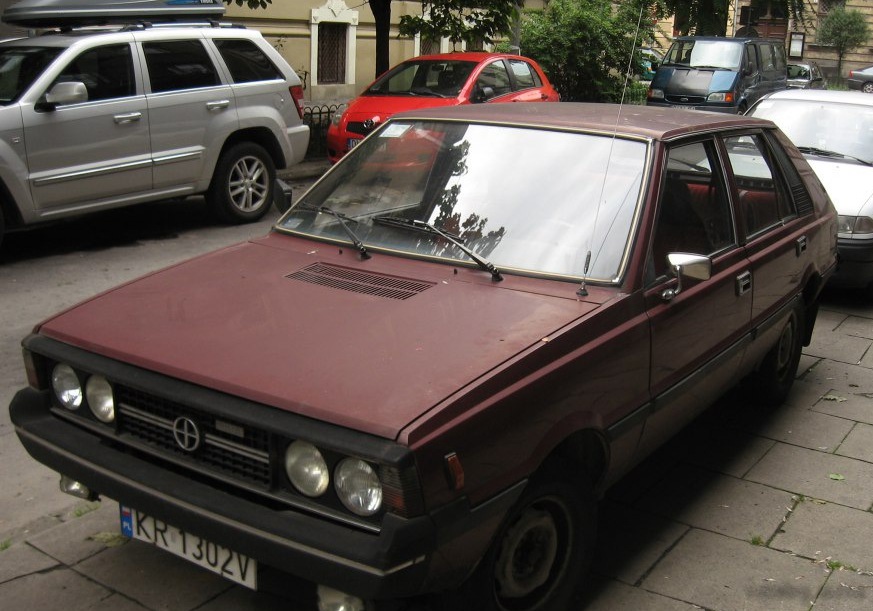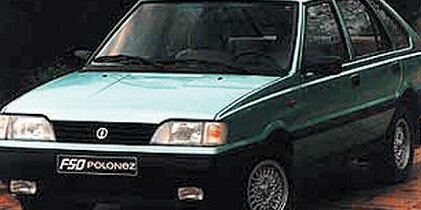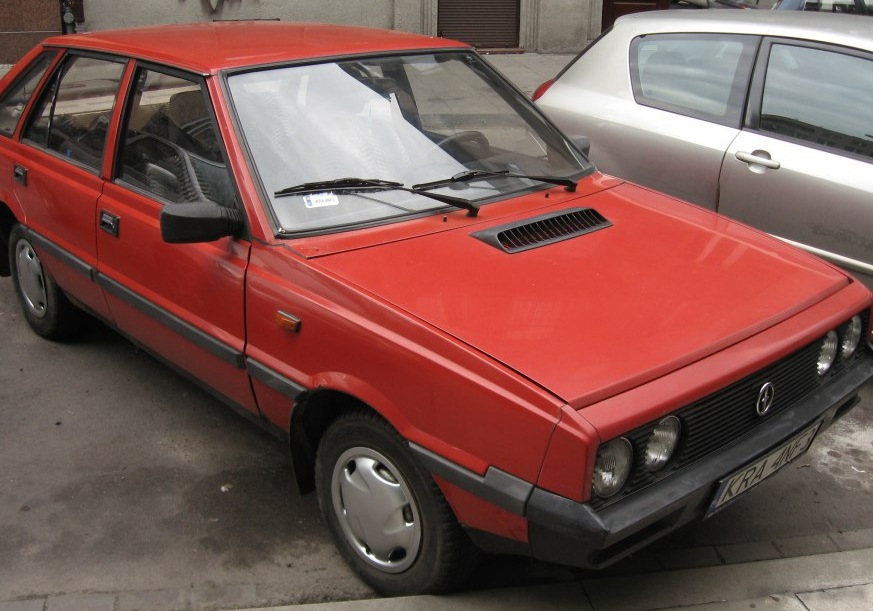
The FSO Polonez II 1.6 (87 hp) represents a significant iteration of Poland’s domestically produced automobile, manufactured between 1988 and 1992. Positioned as a mainstream offering within the Polonez II range, this variant aimed to provide affordable and practical transportation for Polish families during a period of economic transition. The Polonez II itself was a modernization of the original Polonez, based heavily on the Fiat 124 platform, but with substantial Polish engineering and design input. This 1.6-liter version served as a workhorse, balancing acceptable performance with reasonable fuel consumption, and was a common sight on Polish roads during its production run. It was a key model in FSO’s attempt to modernize and remain competitive in a changing automotive landscape.
Technical Specifications
| Brand | FSO |
| Model | Polonez |
| Generation | Polonez II |
| Type (Engine) | 1.6 (87 hp) |
| Start of Production | 1988 |
| End of Production | 1992 |
| Powertrain Architecture | Internal Combustion Engine |
| Body Type | Hatchback |
| Fuel Type | Petrol (Gasoline) |
| Power | 87 hp |
| Engine Aspiration | Naturally Aspirated |
| Engine Displacement | 1.598 cc (97.5 cu in) |
| Compression Ratio | 8.5:1 |
| Fuel System | Carburetor (typically Solex C35N-F) |
| Transmission | 4-speed Manual or 3-speed Automatic |
| Drive Type | Rear-Wheel Drive |
| Curb Weight | Approximately 1,180 kg (2,600 lbs) |
| Top Speed | Approximately 155 km/h (96 mph) |
| Fuel Consumption (Combined) | Approximately 9.5 L/100km (25 mpg) |
Powertrain & Engine Architecture
The heart of the Polonez II 1.6 was the 1.6-liter, inline-four cylinder engine. This engine, designated as the 821 series, was a development of earlier FSO designs, tracing its roots back to the Fiat 124’s engine. However, the Polonez version featured significant modifications to improve durability and adapt to Polish manufacturing capabilities. The engine utilized a cast iron block and cylinder head, a relatively common construction for the time, prioritizing robustness over lightweighting. Fuel delivery was handled by a Solex C35N-F carburetor, a technology that was becoming increasingly outdated in Western Europe by the late 1980s, but remained cost-effective for FSO. The engine featured a single overhead camshaft (SOHC) operating two valves per cylinder. While not particularly sophisticated, this valvetrain configuration provided adequate performance for the intended application. The 87 hp output was achieved at 5,500 rpm, with peak torque of around 135 Nm (100 lb-ft) at 3,500 rpm. The Polonez II 1.6 was available with either a four-speed manual transmission or a three-speed automatic transmission. The automatic, while offering convenience, was known to slightly reduce performance and increase fuel consumption.
Driving Characteristics
The driving experience of the Polonez II 1.6 was characterized by its practicality and affordability rather than sporting prowess. The 87 hp engine provided adequate power for everyday driving, but acceleration was modest, particularly with the three-speed automatic transmission. The rear-wheel-drive layout offered predictable handling, but the car’s relatively high center of gravity and soft suspension tuning resulted in noticeable body roll during cornering. The manual transmission offered a more engaging driving experience and slightly improved performance. Gear ratios were relatively tall, prioritizing fuel economy over rapid acceleration. The steering was unassisted, requiring a reasonable amount of effort, especially at low speeds. Compared to other Polonez II variants, such as the 1.5-liter versions, the 1.6 offered a noticeable improvement in performance, making it more suitable for highway driving and carrying a full load of passengers. However, it lacked the punch of the later, more powerful 2.0-liter engines.
Equipment & Trim Levels
The Polonez II 1.6 was typically offered in a relatively basic trim level, reflecting its position as a mainstream model. Standard equipment generally included cloth upholstery, a basic instrument cluster, and manually operated windows and door locks. Heating and ventilation were standard, but air conditioning was rarely fitted, even as an option. The interior was functional and durable, but lacked the refinement of more modern vehicles. Optional extras included a radio, upgraded seat upholstery, and a sunroof. The dashboard layout was simple and straightforward, with clearly labeled controls. The Polonez II 1.6 was often used as a family car, and its spacious interior and large hatchback provided ample room for passengers and luggage.
Chassis & Braking
The Polonez II utilized a body-on-frame construction, a design that was becoming increasingly uncommon in Western Europe by the late 1980s. This construction method contributed to the car’s robustness but also added to its weight. The suspension consisted of independent front suspension with coil springs and a live axle with leaf springs at the rear. The rear suspension was relatively simple, but it provided adequate ride comfort for most road conditions. Braking was typically accomplished with disc brakes at the front and drum brakes at the rear. The braking system was adequate for normal driving, but lacked the stopping power of more modern vehicles. Stabilizer bars were often omitted, contributing to the car’s tendency to roll during cornering. The steering system was a recirculating ball type, providing a relatively indirect steering feel.
Market Reception & Comparison
The Polonez II 1.6 was generally well-received in Poland, offering a domestically produced alternative to imported vehicles. Critics praised its affordability, practicality, and spacious interior. However, the car was also criticized for its outdated technology, relatively poor fuel economy, and lack of refinement. Compared to other Polonez II variants, the 1.6 offered a good balance of performance and fuel economy. The 1.5-liter versions were more fuel-efficient but lacked the power for comfortable highway driving, while the 2.0-liter versions offered more performance but were more expensive to operate. In terms of reliability, the Polonez II 1.6 was generally considered to be reasonably reliable, but maintenance could be challenging due to the limited availability of spare parts and the car’s relatively complex mechanical systems.
Legacy
The FSO Polonez II 1.6 holds a significant place in Polish automotive history as a symbol of domestic manufacturing and a practical transportation solution for Polish families. While the car is now largely obsolete, it remains a popular choice among classic car enthusiasts in Poland. The 1.6-liter engine, while not particularly advanced, proved to be relatively durable and is still supported by a network of specialist parts suppliers. In the used car market, Polonez II 1.6 models are relatively affordable, but finding well-maintained examples can be challenging. The car’s simple mechanical design makes it relatively easy to repair for those with mechanical skills, but its outdated technology and limited availability of spare parts can make ownership a demanding undertaking. The Polonez II 1.6 represents a unique chapter in automotive history, reflecting the challenges and opportunities faced by the Polish automotive industry during a period of significant change.