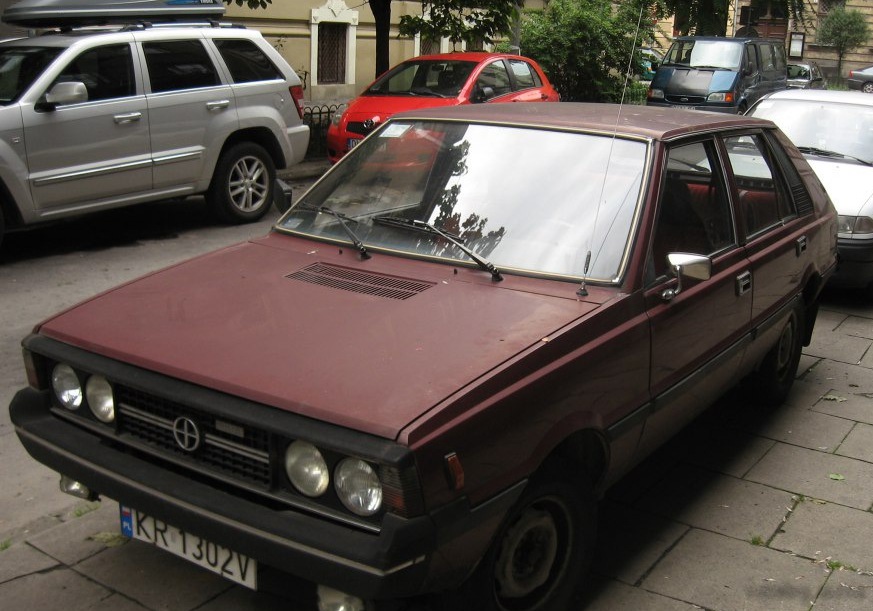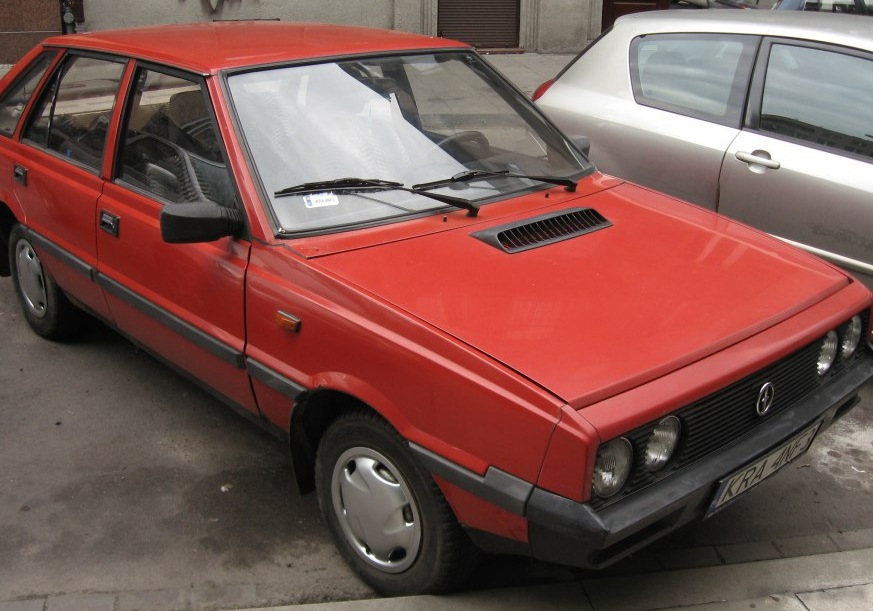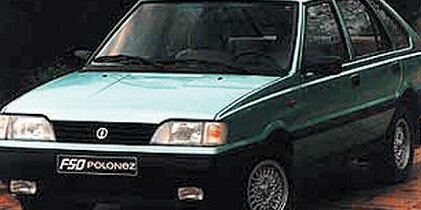
The FSO Polonez III 1.6 GL, producing 87 horsepower, was a mainstay of the Polish automotive market from 1992 until 2002. Representing a significant evolution of the original Polonez design, the III series aimed to modernize the aging platform while remaining affordable for Polish consumers. The 1.6 GL trim occupied a middle ground in the Polonez III lineup, offering a balance between performance, fuel economy, and equipment levels. It was positioned above the base models and below the more powerful, though less common, 1.9-liter variants. The Polonez III was built upon a rear-wheel-drive platform, a configuration increasingly rare in Western Europe by the 1990s, and continued a tradition of Polish automotive engineering rooted in licensed Fiat designs.
Technical Specifications
| Brand | FSO |
| Model | Polonez |
| Generation | Polonez III |
| Type (Engine) | 1.6 GL (87 Hp) |
| Start of production | 1992 |
| End of production | 2002 |
| Powertrain Architecture | Internal Combustion engine |
| Body type | Hatchback |
| Seats | 5 |
| Doors | 3/5 |
| Fuel Type | Petrol (Gasoline) |
| Power | 87 Hp @ 5200 rpm |
| Power per litre | 54.4 Hp/l |
| Torque | 132 Nm @ 3800 rpm |
| Torque (lb.-ft.) | 97.36 lb.-ft. @ 3800 rpm |
| Engine layout | Front, Longitudinal |
| Engine displacement | 1598 cm3 |
| Engine displacement (cu. in.) | 97.52 cu. in. |
| Number of cylinders | 4 |
| Engine configuration | Inline |
| Number of valves per cylinder | 2 |
| Fuel injection system | Carburettor |
| Engine aspiration | Naturally aspirated engine |
| Drivetrain Architecture | Rear wheel drive |
| Number of gears | 5 |
| Type of gearbox | Manual transmission |
| Front suspension | Coil spring |
| Rear suspension | Coil spring |
| Front brakes | Disc |
| Rear brakes | Disc |
| Tires size | 175/70 R13 |
Powertrain & Engine Architecture
The heart of the Polonez III 1.6 GL was the FSO 812 engine, a 1.6-liter inline-four cylinder unit. This engine was a derivative of the earlier FSO 811, itself based on a Fiat 124 design licensed to FSO in the 1960s. The 812 featured a two-valve per cylinder configuration and utilized a carburetor for fuel delivery. While relatively simple by modern standards, this carburetor system was chosen for its cost-effectiveness and ease of maintenance, crucial considerations in the Polish market. The engine’s longitudinal front-engine, rear-wheel-drive layout was a defining characteristic of the Polonez, contributing to its unique handling characteristics. The 87 horsepower output was achieved at 5200 rpm, with peak torque of 132 Nm (97.36 lb.-ft.) arriving at 3800 rpm. The five-speed manual transmission was the standard offering for this trim, providing a reasonable spread of gears for both city driving and highway cruising.
Driving Characteristics
The Polonez III 1.6 GL offered modest performance. Acceleration was adequate for everyday driving, but it wasn’t a particularly quick car. The rear-wheel-drive configuration provided a distinct driving feel, offering a degree of oversteer that was uncommon in front-wheel-drive cars of the era. The five-speed gearbox was well-matched to the engine’s powerband, allowing drivers to keep the engine in its optimal rev range. Compared to the more powerful 1.9-liter versions, the 1.6 GL felt less strained at higher speeds, but also lacked the same level of outright acceleration. The suspension, while simple, provided a reasonably comfortable ride, absorbing bumps and imperfections in the road surface effectively. However, the car’s relatively high center of gravity and rear-wheel-drive layout meant that it wasn’t particularly adept at cornering at high speeds.
Equipment & Trim Levels
The 1.6 GL trim level represented a step up in terms of equipment compared to the base Polonez III models. Standard features typically included cloth upholstery, a basic instrument cluster, and a heater. Optional extras, depending on the year and market, could include a radio, upgraded interior trim, and even power windows. The interior design was functional but spartan, reflecting the car’s affordability. The dashboard layout was straightforward, with clearly labeled controls. The 3 or 5-door hatchback body style offered reasonable practicality, with a decent amount of space for passengers and luggage. The GL trim often featured slightly more refined interior plastics and door cards compared to the base models.
Chassis & Braking
The Polonez III utilized a body-on-frame construction, a relatively archaic design by the 1990s. This contributed to the car’s robustness but also added to its weight. The front suspension consisted of coil springs and wishbones, while the rear suspension employed a coil-sprung live axle. Both the front and rear brakes were disc brakes, a notable feature for a car in this price range. However, the braking system lacked modern features such as ABS. The tires were typically 175/70 R13, providing adequate grip for normal driving conditions. The chassis was designed to withstand the often-poor road conditions prevalent in Poland.
Market Reception & Comparison
The Polonez III 1.6 GL was a popular choice in the Polish market, offering a relatively affordable and practical mode of transportation. Critics generally praised its robustness and ease of maintenance, but also noted its outdated design and modest performance. Compared to other cars available in Poland at the time, such as the Fiat Uno and the Skoda Favorit, the Polonez offered a larger interior and a more spacious trunk. However, it lacked the modern features and fuel efficiency of some of its competitors. Fuel economy was reasonable for the time, but not exceptional. Reliability was generally good, thanks to the simplicity of the engine and drivetrain, but parts availability could sometimes be an issue.
Legacy
The FSO Polonez III 1.6 GL represents a significant chapter in Polish automotive history. While it may not have been a technological marvel, it provided affordable transportation for a generation of Polish drivers. The 1.6-liter engine proved to be relatively durable, and many examples are still on the road today, often maintained by dedicated enthusiasts. In the used car market, the Polonez III 1.6 GL is valued for its simplicity, affordability, and nostalgic appeal. It has become a cult classic among those who appreciate its unique character and historical significance. The Polonez III, and the 1.6 GL variant in particular, remains a symbol of Poland’s automotive past.