
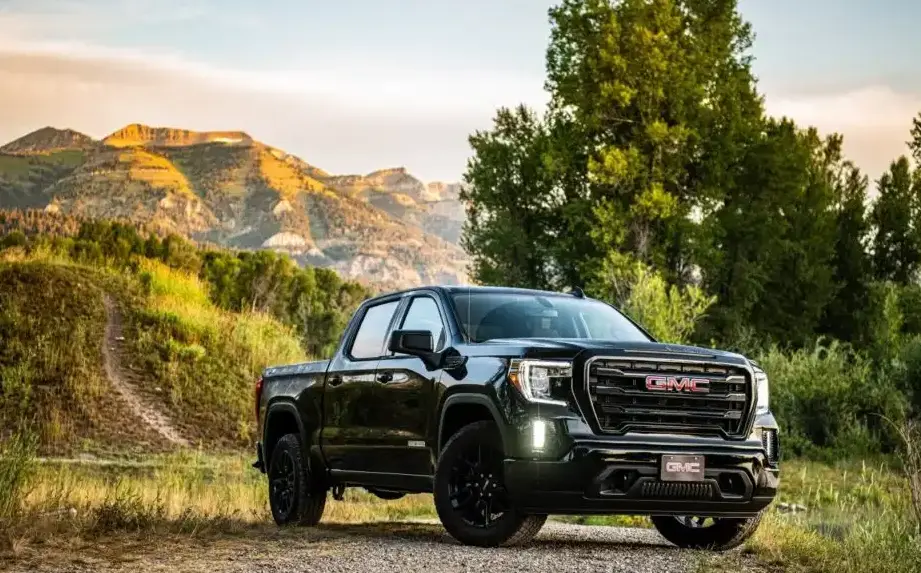
The GMC Sierra 1500 V (GMTT1XX) Crew Cab Short Box, equipped with the 6.2-liter V8 engine and four-wheel drive, represents a significant iteration of GMC’s full-size pickup truck. Produced from 2018 to 2021, this variant occupied a premium position within the Sierra 1500 lineup, offering a blend of substantial power, towing capability, and interior comfort. It was part of the fourth generation of the Sierra, known as the GMTT1XX platform, which brought advancements in technology, materials, and overall refinement compared to its predecessors. This particular configuration targeted buyers needing a powerful and versatile truck for both work and personal use, prioritizing capability without sacrificing everyday drivability.
Technical Specifications
| Brand | GMC |
| Model | Sierra 1500 |
| Generation | Sierra 1500 V (GMTT1XX) Crew Cab Short Box |
| Type (Engine) | 6.2 V8 (420 Hp) 4WD Automatic |
| Start of production | 2018 |
| End of production | 2021 |
| Powertrain Architecture | Internal Combustion engine |
| Body type | Pick-up |
| Seats | 5 |
| Doors | 4 |
| Fuel consumption (urban) | 15.6 l/100 km (15.1 US mpg, 18.1 UK mpg, 6.4 km/l) |
| Fuel consumption (extra urban) | 11.8 l/100 km (19.9 US mpg, 23.9 UK mpg, 8.5 km/l) |
| Fuel Type | Petrol (Gasoline) |
| Weight-to-power ratio | 5.3 kg/Hp, 188.3 Hp/tonne |
| Weight-to-torque ratio | 3.6 kg/Nm, 279.2 Nm/tonne |
| Power | 420 Hp @ 5600 rpm |
| Power per litre | 68.2 Hp/l |
| Torque | 623 Nm @ 4100 rpm (459.5 lb.-ft. @ 4100 rpm) |
| Engine layout | Front, Longitudinal |
| Engine Model/Code | L87 |
| Engine displacement | 6162 cm3 (376.03 cu. in.) |
| Number of cylinders | 8 |
| Engine configuration | V-engine |
| Cylinder Bore | 103.25 mm (4.06 in.) |
| Piston Stroke | 92 mm (3.62 in.) |
| Compression ratio | 11.5:1 |
| Number of valves per cylinder | 2 |
| Fuel injection system | Direct injection |
| Engine aspiration | Naturally aspirated engine |
| Valvetrain | OHV, VVT DI |
| Engine oil capacity | 7.6 l (8.03 US qt | 6.69 UK qt) |
| Coolant capacity | 12.6 l (13.31 US qt | 11.09 UK qt) |
| Kerb Weight | 2231 kg (4918.51 lbs.) |
| Max. weight | 3266 kg (7200.3 lbs.) |
| Max load | 1035 kg (2281.78 lbs.) |
| Fuel tank capacity | 91 l (24.04 US gal | 20.02 UK gal) |
| Permitted trailer load with brakes (12%) | 3356 kg (7398.71 lbs.) |
| Length | 5886 mm (231.73 in.) |
| Width including mirrors | 2063 mm (81.22 in.) |
| Height | 1918 mm (75.51 in.) |
| Wheelbase | 3745 mm (147.44 in.) |
| Drivetrain Architecture | All wheel drive (4×4). ICE drives rear wheels, front wheels engaged via clutch. |
| Number of gears and type of gearbox | 10 gears, automatic transmission |
| Front suspension | Independent coil spring |
| Rear suspension | Rigid axle suspension, Leaf spring |
| Front brakes | Ventilated discs, 330×30 mm |
| Rear brakes | Ventilated discs, 345×20 mm |
| Assisting systems | ABS (Anti-lock braking system) |
| Steering type | Steering rack and pinion |
| Power steering | Electric Steering |
| Tires size | 255/70 R17; 265/70 R17; 265/65 R18 |
| Wheel rims size | 8.0J x 17; 8.5J x 18 |
Powertrain & Engine Architecture
At the heart of the Sierra 1500 V was the 6.2-liter L87 V8 engine. This naturally aspirated powerplant utilized direct injection and active fuel management (cylinder deactivation) to balance performance and efficiency. The engine produced 420 horsepower at 5600 rpm and 460 lb-ft of torque at 4100 rpm. The L87 featured a cast iron block with aluminum cylinder heads, contributing to its durability. The overhead valve (OHV) valvetrain, coupled with variable valve timing (VVT), optimized engine breathing across the rev range. The engine was paired with a sophisticated 10-speed automatic transmission (10L80), a key component in maximizing both fuel economy and towing capacity. This transmission offered a wide range of gear ratios, allowing the engine to operate in its most efficient zone more frequently.
Driving Characteristics
The 6.2L V8 and 10-speed automatic combination delivered strong acceleration and effortless cruising. While not as fuel-efficient as the smaller engine options (like the 2.7L Turbo or 5.3L V8), the 6.2L provided a noticeable performance advantage. The 10-speed transmission’s close ratios minimized hunting and provided smooth, decisive shifts. In real-world driving, the truck felt confident when towing or hauling heavy loads. Compared to the 5.3L V8, the 6.2L offered significantly more low-end torque, making it easier to accelerate from a standstill or maintain speed uphill. The 4WD system provided enhanced traction in inclement weather or off-road conditions.
Equipment & Trim Levels
The Crew Cab Short Box configuration, when paired with the 6.2L engine, typically came standard with a well-equipped interior. Standard features included cloth upholstery, an 8-inch touchscreen infotainment system with Apple CarPlay and Android Auto compatibility, a rearview camera, and keyless entry. Higher trim levels, such as the SLT and Denali, added premium features like leather upholstery, heated and ventilated front seats, a premium sound system, and advanced safety technologies like lane departure warning and automatic emergency braking. Optional extras included a power sunroof, a navigation system, and a trailering package.
Chassis & Braking
The Sierra 1500 V utilized a fully boxed frame for enhanced rigidity and durability. The front suspension featured independent coil springs, while the rear suspension employed a traditional leaf spring setup. This configuration provided a comfortable ride while maintaining a respectable payload capacity. Braking duties were handled by ventilated disc brakes on all four wheels, providing ample stopping power. The ABS system helped maintain control during emergency braking situations. The rear axle ratio varied depending on the specific configuration, influencing both towing capacity and fuel economy.
Market Reception & Comparison
The 6.2L V8-equipped Sierra 1500 received positive reviews for its powerful engine and smooth-shifting transmission. Critics praised its towing capability and overall refinement. However, fuel economy was a common concern, as the 6.2L engine consumed significantly more fuel than the smaller engine options. Compared to the Ford F-150 and Ram 1500, the Sierra 1500 offered a competitive blend of features and performance. The Ram 1500 was often lauded for its ride quality, while the Ford F-150 offered a wider range of engine options and innovative features like an aluminum body.
Legacy
The L87 6.2L V8 has proven to be a relatively reliable engine, with few widespread mechanical issues reported. The 10-speed automatic transmission has also demonstrated good durability. In the used car market, the 2018-2021 Sierra 1500 V with the 6.2L engine holds its value well, particularly among buyers seeking a capable and well-equipped full-size pickup truck. Regular maintenance, including oil changes and fluid checks, is crucial for ensuring the long-term reliability of this powertrain. The GMTT1XX platform Sierra 1500 represents a solid and capable truck that continues to be a popular choice for both personal and commercial use.

