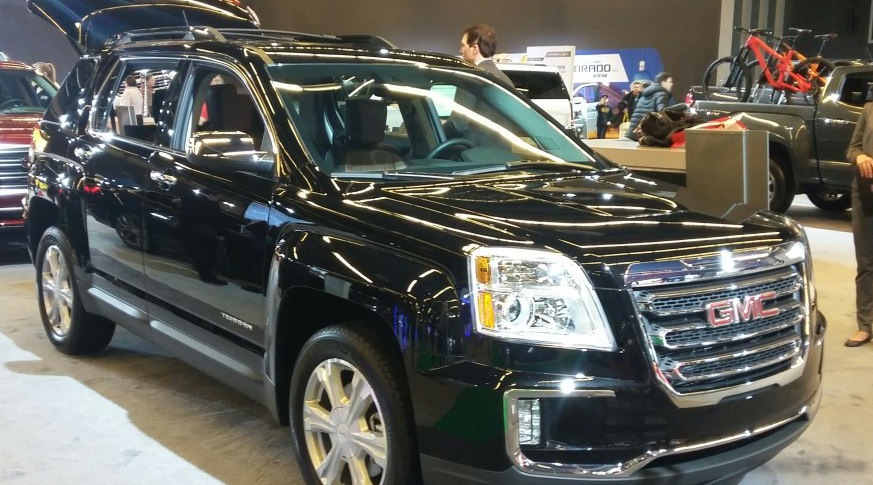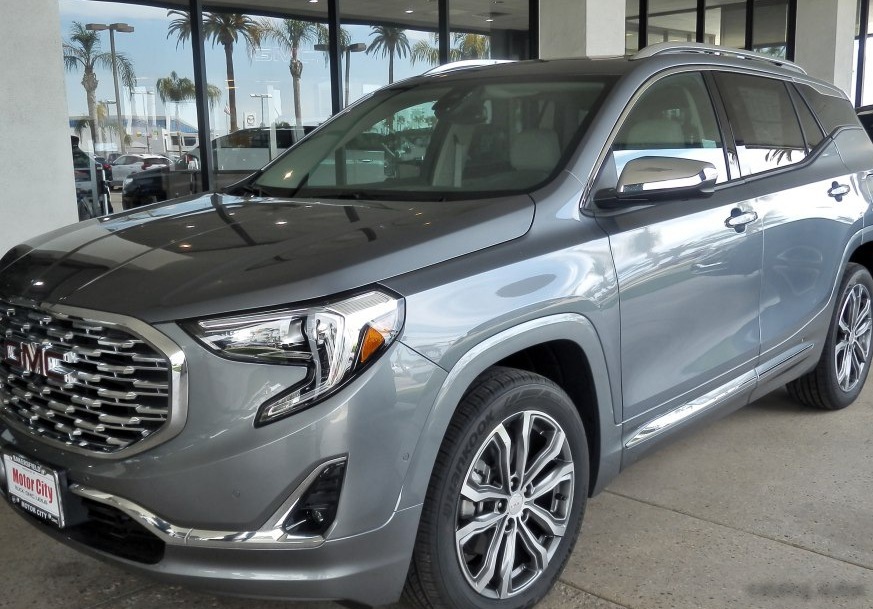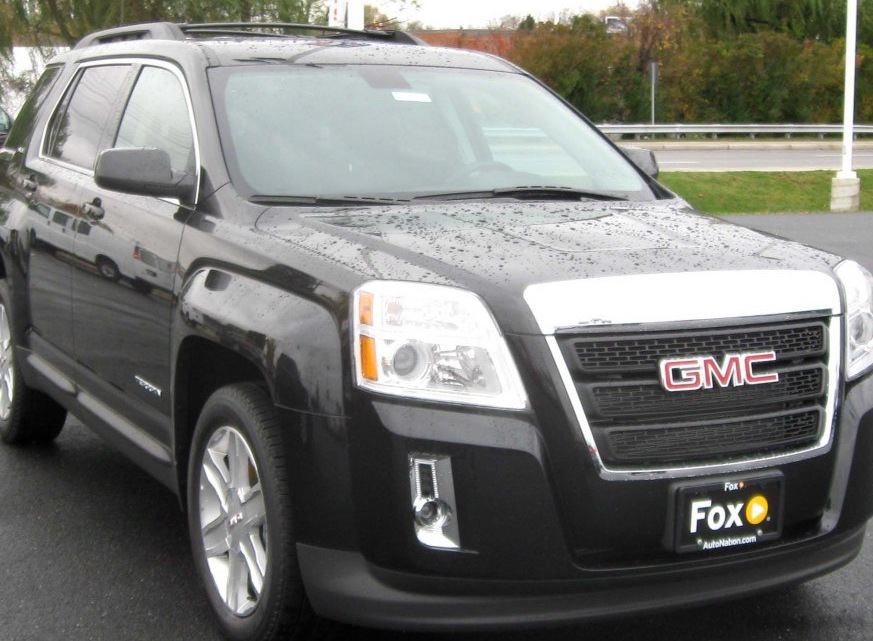
The GMC Terrain I, specifically the 2.4-liter (182 hp) variant with an automatic transmission, was produced from 2010 to 2015. This model represented GMC’s entry into the increasingly popular compact crossover SUV segment, aiming to provide a more upscale alternative to offerings from Chevrolet and other mainstream brands. Positioned as a mid-range trim within the Terrain lineup, it offered a balance between affordability, features, and fuel efficiency. The Terrain I was built on the GM Theta platform, shared with the Chevrolet Equinox and Buick Verano, and was a key component in GMC’s strategy to broaden its appeal beyond trucks and larger SUVs.
Technical Specifications
| Brand | GMC |
| Model | Terrain |
| Generation | Terrain I |
| Type (Engine) | 2.4 (182 Hp) Automatic |
| Start of production | 2010 |
| End of production | 2015 |
| Powertrain Architecture | Internal Combustion engine |
| Body type | SUV |
| Seats | 5 |
| Doors | 5 |
| Fuel consumption (urban) | 11.2 l/100 km (21 US mpg) |
| Fuel consumption (extra urban) | 7.8 l/100 km (30.2 US mpg) |
| Fuel consumption (combined) | 9 l/100 km (26.1 US mpg) |
| Fuel Type | Petrol (Gasoline) |
| Weight-to-power ratio | 9.5 kg/Hp |
| Weight-to-torque ratio | 7.4 kg/Nm |
| Power | 182 Hp @ 6700 rpm |
| Power per litre | 76.3 Hp/l |
| Torque | 233 Nm @ 4900 rpm (171.85 lb.-ft. @ 4900 rpm) |
| Engine layout | Front, Transverse |
| Engine Model/Code | LAF |
| Engine displacement | 2384 cm3 (145.48 cu. in.) |
| Number of cylinders | 4 |
| Engine configuration | Inline |
| Cylinder Bore | 88 mm (3.46 in.) |
| Piston Stroke | 98 mm (3.86 in.) |
| Number of valves per cylinder | 4 |
| Fuel injection system | Direct injection |
| Engine aspiration | Naturally aspirated engine |
| Valvetrain | DOHC-VVT |
| Engine oil capacity | 4.7 l (4.97 US qt | 4.14 UK qt) |
| Coolant | 7.8 l (8.24 US qt | 6.86 UK qt) |
| Kerb Weight | 1723 kg (3798.56 lbs.) |
| Max. weight | 2250 kg (4960.4 lbs.) |
| Max load | 527 kg (1161.84 lbs.) |
| Trunk (boot) space – minimum | 895 l (31.61 cu. ft.) |
| Fuel tank capacity | 71 l (18.76 US gal | 15.62 UK gal) |
| Length | 4707 mm (185.31 in.) |
| Width | 1849 mm (72.8 in.) |
| Height | 1684 mm (66.3 in.) |
| Wheelbase | 2858 mm (112.52 in.) |
| Front track | 1598 mm (62.91 in.) |
| Rear (Back) track | 1578 mm (62.13 in.) |
| Ride height (ground clearance) | 175 mm (6.89 in.) |
| Drag coefficient (Cd) | 0.34 |
| Drivetrain Architecture | The Internal combustion engine (ICE) drives the front wheels of the vehicle. |
| Drive wheel | Front wheel drive |
| Number of gears and type of gearbox | 6 gears, automatic transmission |
| Front suspension | Independent coil spring |
| Rear suspension | Independent coil spring |
| Front brakes | Ventilated discs |
| Rear brakes | Disc |
| Assisting systems | ABS (Anti-lock braking system) |
| Steering type | Steering rack and pinion |
| Power steering | Electric Steering |
| Tires size | 225/65 R17 |
| Wheel rims size | 17 |
Powertrain & Engine Architecture
The heart of this Terrain variant is the 2.4-liter LAF inline-four cylinder engine. This engine utilizes direct fuel injection, a technology that improves fuel efficiency and power output by injecting fuel directly into the combustion chamber. The engine also features a Double Overhead Camshaft (DOHC) valvetrain with Variable Valve Timing (VVT), further optimizing performance and efficiency. The LAF engine produces 182 horsepower at 6700 rpm and 233 Nm (171.85 lb-ft) of torque at 4900 rpm. Paired with this engine is a six-speed automatic transmission, designed to provide smooth shifting and efficient power delivery. This transmission was a standard offering and did not have a manual transmission option available for this engine.
Driving Characteristics
The 2.4-liter Terrain with the automatic transmission offered a comfortable and predictable driving experience. Acceleration was adequate for everyday driving, but not particularly sporty. The automatic transmission was tuned for fuel economy, resulting in relatively conservative gear ratios. Compared to the available 3.6-liter V6 engine, the 2.4-liter model felt noticeably less powerful, especially when fully loaded or climbing hills. However, the 2.4L offered a smoother and more refined experience than the diesel options available in other markets. The automatic transmission generally shifted smoothly, but could sometimes feel hesitant during quick acceleration maneuvers. Overall, the driving experience was geared towards comfort and practicality rather than performance.
Equipment & Trim Levels
The 2.4-liter Terrain typically came standard with features such as air conditioning, power windows and locks, a basic audio system, and cloth upholstery. Higher trim levels, such as the SLE and LT, added features like alloy wheels, upgraded audio systems, a rearview camera, and leather upholstery. Optional extras included a sunroof, navigation system, and remote start. The interior design was functional and relatively spacious, with seating for five passengers. The rear seats offered decent legroom, and the cargo area was reasonably sized for a compact crossover.
Chassis & Braking
The Terrain I utilized an independent coil spring suspension on both the front and rear axles, providing a comfortable ride quality. The front suspension featured MacPherson struts, while the rear suspension employed a multi-link design. Braking duties were handled by ventilated discs on the front wheels and solid discs on the rear. The Terrain was equipped with an Anti-lock Braking System (ABS) as standard, enhancing safety and control during emergency braking situations. Steering was provided by an electric power steering system, offering light and responsive steering feel.
Market Reception & Comparison
The GMC Terrain I 2.4-liter Automatic received mixed reviews from automotive critics. While praised for its comfortable ride, spacious interior, and fuel efficiency, it was often criticized for its lack of power and somewhat uninspired driving dynamics. Compared to competitors like the Honda CR-V and Toyota RAV4, the Terrain offered a more affordable price point but lacked the same level of refinement and performance. Fuel economy was competitive for its class, averaging around 26.1 US mpg in combined driving. Reliability was generally considered average, with some reports of minor issues with the automatic transmission and electrical systems.
Legacy
The GMC Terrain I, including the 2.4-liter automatic variant, established GMC as a viable contender in the compact crossover SUV market. While not a standout performer, it offered a compelling combination of value, comfort, and practicality. On the used car market today, these models are generally affordable and represent a good value for buyers seeking a reliable and spacious SUV. The LAF engine, while not known for exceptional longevity, has proven to be reasonably durable with proper maintenance. Common maintenance items include regular oil changes, timing chain inspection, and transmission fluid flushes. The Terrain I laid the groundwork for subsequent generations of the Terrain, which have continued to improve in terms of performance, refinement, and technology.