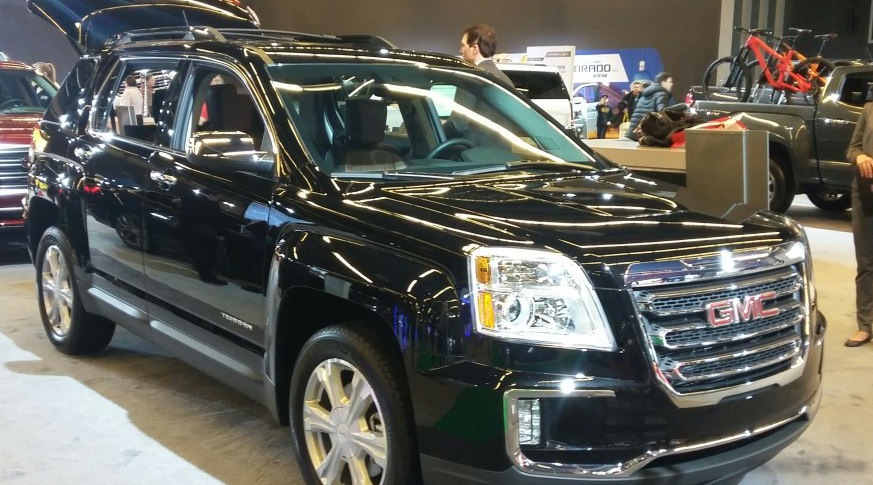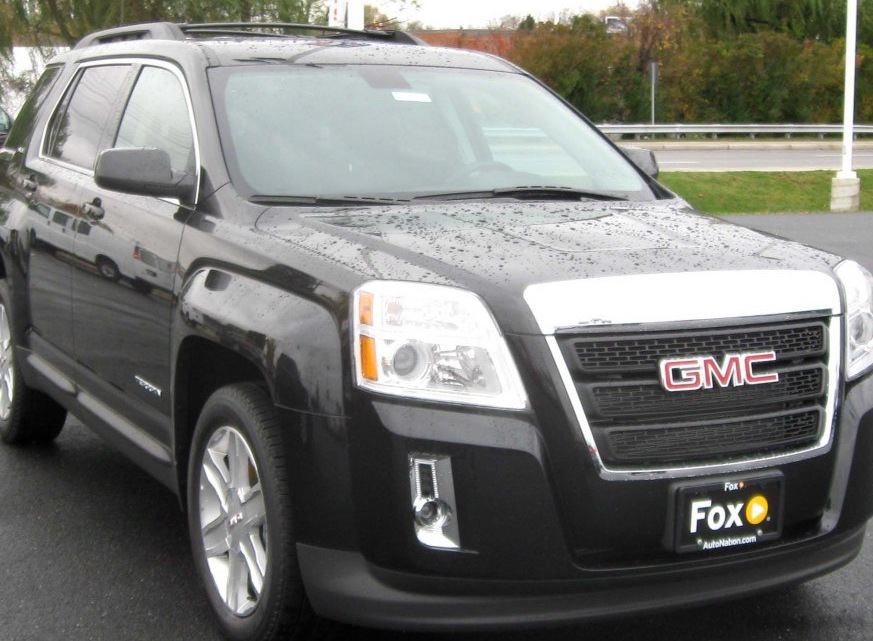
The GMC Terrain I, specifically the 2.4-liter (182 hp) All-Wheel Drive (AWD) Automatic variant, was produced from 2010 to 2015. This model represented GMC’s entry into the increasingly popular compact crossover SUV segment, aiming to provide a more premium alternative to offerings from Chevrolet and other mainstream brands. Positioned as a mid-range trim within the Terrain lineup, it offered a balance between affordability, features, and capability, appealing to families and individuals seeking a versatile vehicle for both daily commuting and weekend adventures. The Terrain I was built on the GM Theta platform, shared with the Chevrolet Equinox and Buick Verano, and marked GMC’s attempt to broaden its appeal beyond traditional trucks and SUVs.
Technical Specifications
| Brand | GMC |
| Model | Terrain |
| Generation | Terrain I |
| Type (Engine) | 2.4 (182 Hp) AWD Automatic |
| Start of production | 2010 |
| End of production | 2015 |
| Powertrain Architecture | Internal Combustion engine |
| Body type | SUV |
| Seats | 5 |
| Doors | 5 |
| Fuel consumption (urban) | 13.1 l/100 km (18 US mpg, 21.6 UK mpg, 7.6 km/l) |
| Fuel consumption (extra urban) | 8.1 l/100 km (29 US mpg, 34.9 UK mpg, 12.3 km/l) |
| Fuel consumption (combined) | 11.8 l/100 km (19.9 US mpg, 23.9 UK mpg, 8.5 km/l) |
| Fuel Type | Petrol (Gasoline) |
| Weight-to-power ratio | 10 kg/Hp, 99.8 Hp/tonne |
| Weight-to-torque ratio | 7.8 kg/Nm, 127.8 Nm/tonne |
| Power | 182 Hp @ 6700 rpm |
| Power per litre | 76.3 Hp/l |
| Torque | 233 Nm @ 4900 rpm (171.85 lb.-ft. @ 4900 rpm) |
| Engine layout | Front, Transverse |
| Engine Model/Code | LAF |
| Engine displacement | 2384 cm3 (145.48 cu. in.) |
| Number of cylinders | 4 |
| Engine configuration | Inline |
| Cylinder Bore | 88 mm (3.46 in.) |
| Piston Stroke | 98 mm (3.86 in.) |
| Number of valves per cylinder | 4 |
| Fuel injection system | Direct injection |
| Engine aspiration | Naturally aspirated engine |
| Valvetrain | DOHC-VVT |
| Engine oil capacity | 4.7 l (4.97 US qt | 4.14 UK qt) |
| Coolant | 7.8 l (8.24 US qt | 6.86 UK qt) |
| Kerb Weight | 1823 kg (4019.03 lbs.) |
| Max. weight | 2300 kg (5070.63 lbs.) |
| Max load | 477 kg (1051.6 lbs.) |
| Trunk (boot) space – minimum | 895 l (31.61 cu. ft.) |
| Fuel tank capacity | 71 l (18.76 US gal | 15.62 UK gal) |
| Length | 4707 mm (185.31 in.) |
| Width | 1849 mm (72.8 in.) |
| Height | 1684 mm (66.3 in.) |
| Wheelbase | 2858 mm (112.52 in.) |
| Front track | 1598 mm (62.91 in.) |
| Rear (Back) track | 1578 mm (62.13 in.) |
| Ride height (ground clearance) | 175 mm (6.89 in.) |
| Drag coefficient (Cd) | 0.34 |
| Drive wheel | All wheel drive (4×4) |
| Number of gears and type of gearbox | 6 gears, automatic transmission |
| Front suspension | Independent coil spring |
| Rear suspension | Independent coil spring |
| Front brakes | Ventilated discs |
| Rear brakes | Disc |
| Assisting systems | ABS (Anti-lock braking system) |
| Steering type | Steering rack and pinion |
| Power steering | Electric Steering |
| Tires size | 225/65 R17 |
| Wheel rims size | 17 |
Powertrain & Engine Architecture
The heart of this Terrain variant is the 2.4-liter LAF inline-four cylinder engine. This engine utilizes direct fuel injection, a technology that improves fuel efficiency and power output by injecting fuel directly into the combustion chamber. The engine also features a Double Overhead Camshaft (DOHC) valvetrain with Variable Valve Timing (VVT), further optimizing performance and efficiency. The LAF engine produces 182 horsepower at 6700 rpm and 233 Nm (171.85 lb-ft) of torque at 4900 rpm. This power is delivered to all four wheels through a six-speed automatic transmission. The transmission was tuned for smooth shifts and adequate acceleration, prioritizing comfort over outright performance. While not a particularly sophisticated transmission, it proved to be generally reliable.
Driving Characteristics
The 2.4-liter engine and six-speed automatic combination in the Terrain I provided adequate, but not exhilarating, performance. Acceleration from 0 to 60 mph was typically in the 9-10 second range. The automatic transmission’s gear ratios were geared towards fuel economy, resulting in a somewhat leisurely driving experience. Compared to the available 3.6-liter V6 engine, the 2.4-liter felt noticeably less powerful, especially when fully loaded or tackling steep inclines. However, the 2.4-liter offered a smoother and more refined driving experience than the diesel options available in other markets. The AWD system provided enhanced traction in inclement weather, making it a practical choice for regions with snow or rain.
Equipment & Trim Levels
The 2.4-liter AWD automatic Terrain typically came standard with features such as air conditioning, power windows and locks, a basic audio system, and cloth upholstery. Higher trim levels, such as the SLE and SLT, added features like leather upholstery, a premium audio system, a rearview camera, and a power driver’s seat. Optional extras included a sunroof, navigation system, and remote start. The interior design was functional and relatively spacious, offering comfortable seating for five passengers. The rear seats could be folded down to expand cargo space.
Chassis & Braking
The Terrain I utilized an independent coil spring suspension on both the front and rear axles, providing a comfortable ride quality. The front suspension featured MacPherson struts, while the rear suspension employed a multi-link design. Braking duties were handled by ventilated discs on the front wheels and solid discs on the rear. The anti-lock braking system (ABS) was standard, enhancing safety and control during emergency braking situations. The Terrain’s chassis was tuned for a balance between ride comfort and handling, prioritizing stability over sporty dynamics.
Market Reception & Comparison
The GMC Terrain I 2.4L AWD Automatic received mixed reviews from automotive critics. While praised for its comfortable ride, spacious interior, and available features, it was often criticized for its lackluster performance and relatively high fuel consumption compared to some competitors. Fuel economy averaged around 19.9 US mpg combined, which was considered average for the segment at the time. Compared to the Chevrolet Equinox, which shared the same platform and engine, the Terrain offered a more upscale interior and exterior styling. However, the Equinox was typically more affordable. The V6-powered Terrain offered significantly more performance but came at a higher price and with lower fuel economy.
Legacy
The 2.4-liter LAF engine, when paired with the six-speed automatic transmission, proved to be a reasonably reliable powertrain in the Terrain I. While some owners reported minor issues with the fuel injectors or the automatic transmission, these were not widespread problems. Today, used Terrain I models with this powertrain are generally considered affordable and practical transportation options. However, potential buyers should be aware of the vehicle’s age and mileage and perform a thorough inspection before purchasing. The Terrain I helped establish GMC as a player in the compact crossover SUV segment, paving the way for future generations of the Terrain.